About a week after the president unveiled his “Trump dividend” pledge at the party’s unusual midterm convention in Dallas, there is little evidence that Republicans in competitive races have incorporated it into their campaigns. Plus, Attorney General Todd Blanche's political boundary blurring, Washington bureau chief Anna Johnson's weekly picks and what I'm reading this week. |
|
|
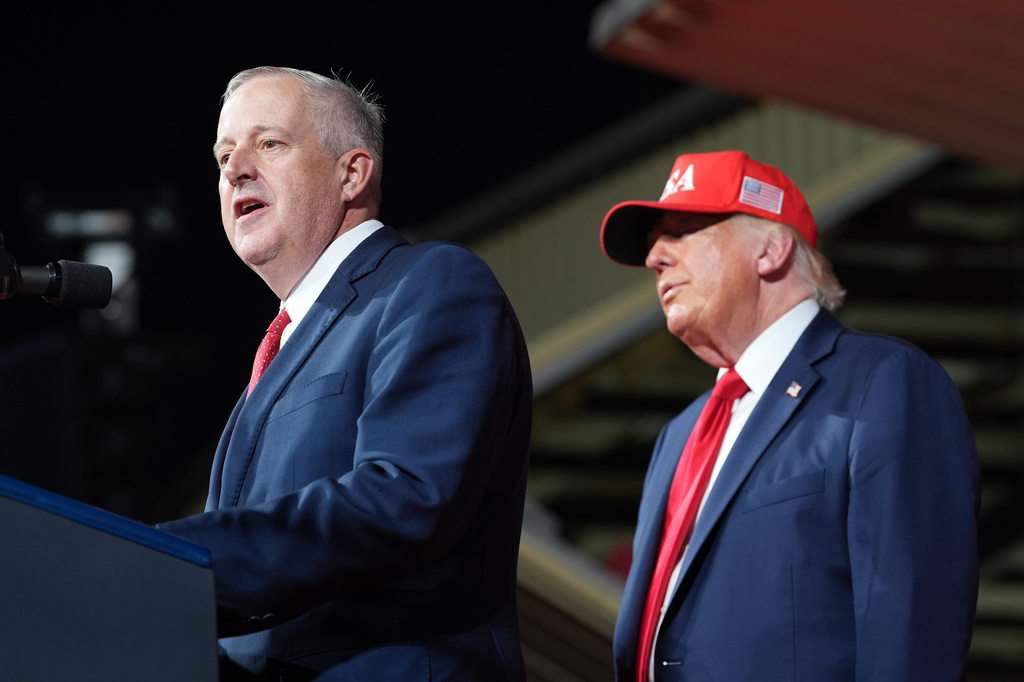
President Donald Trump listens as North Carolina Republican U.S. Senate candidate Michael Whatley speaks during a rally at Gastonia Municipal Airport, Wednesday, Sept. 16, 2026, in Gastonia, N.C. (AP Photo/Alex Brandon) |
Trump pushes his $5,000 'dividend' pledge if GOP wins midterms. Republican candidates, not as much — By Mike Catalini
The pledge hasn't been a staple of television advertising, whether from President Donald Trump's own political operation or his party's candidates. It usually only comes up when reporters ask about it, prompting most Republicans to sidestep the idea.
There are some exceptions. Republican Rep. Derrick Van Orden, who is seeking reelection in a battleground Wisconsin district, has praised the proposal.
The idea comes as the economy confronts rising interest rates, continuing inflation and climbing fuel costs. Republicans are fighting to keep their majorities in the House and Senate.
Trump previously promised to use savings from the Department of Government Efficiency and revenue from tariffs on imports to distribute payments of $2,000 or more, but none of that came to pass.
The president has said he did not think congressional approval would be needed for the idea, which could cost more than $1 trillion, but House Speaker Mike Johnson indicated the promise would require lawmakers to act.
Democrats point to those previous suggestions for a payout to raise skepticism about the $5,000 pledge.
Read more from Catalini about Republicans' reception of Trump's pledge. |
|
|
|
Blanche's appearances at political events test Justice Department norms |
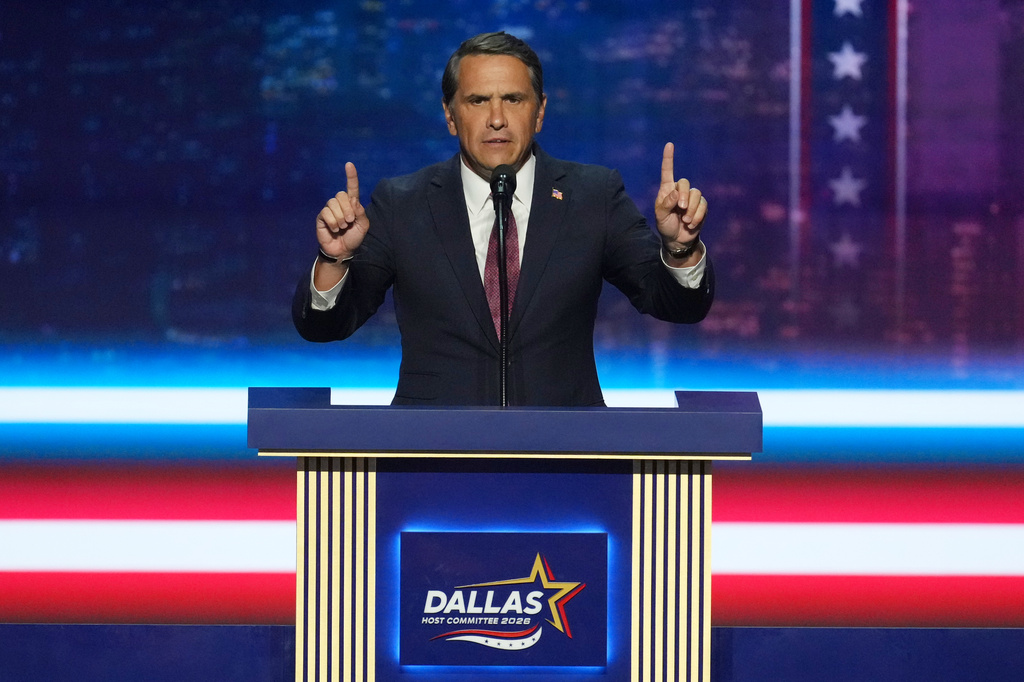
U.S. Attorney General Todd Blanche speaks at the Republican convention in Dallas, Wednesday, Sept. 9, 2026. (AP Photo/Tony Gutierrez) |
Attorney General Blanche's appearances at political events blur Justice Department boundaries — By Alanna Durkin Richer
Blanche is blurring traditional boundaries between politics and federal law enforcement with recent speeches at political events that mark a sharp departure from norms meant to protect the Justice Department from the appearance of partisan bias.
Blanche took the stage this week at an event for a Republican Senate candidate in North Carolina days after speaking at a GOP midterm convention, where he praised Trump and touted the administration's tough-on-crime approach.
Blanche's participation at the rallies has drawn scrutiny from critics who say it threatens to undermine public faith in law enforcement decisions that are supposed to be made free of political interference.
It's added to critics' concerns about Blanche's loyalty to Trump and White House influence on Justice Department matters against the backdrop of investigations into numerous perceived foes of the president.
Read more from Richer about Blanche's boundary blurring appearances. |
|
|
|
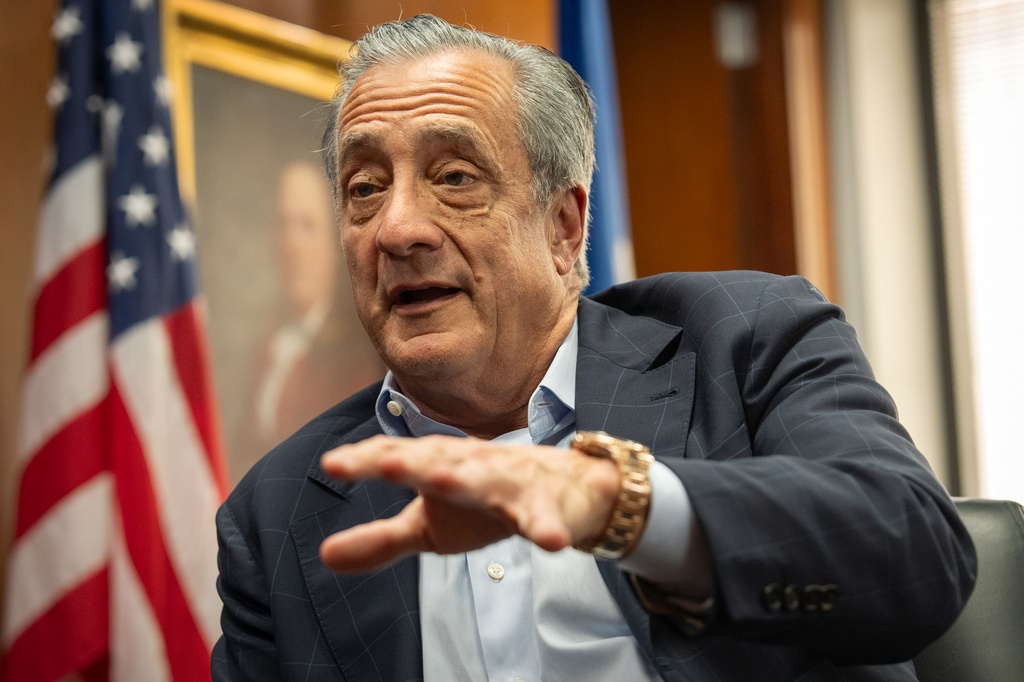
Postmaster General David Steiner speaks during an interview with The Associated Press at the United States Postal Service headquarters, Thursday, Sept. 17, 2026, in Washington. (AP Photo/Mark Schiefelbein) |
Postal Service chief says work stopped on computer system key to Trump effort to limit mail voting — By Steven Sloan
— Steven got an interesting and exclusive interview with the postmaster general days after the Supreme Court ruling rejecting Trump’s mail voting executive order.
Trump’s push to restrict mail ballots has failed. Other efforts to reshape the midterms are ongoing — By Ali Swenson
— Speaking of the Supreme Court decision on Monday, Ali’s story the next day explored other ways the administration is trying to reshape the Nov. 3 midterms. Fencing goes up around the main Kennedy Center building after Trump-aligned board votes to close it — By Matthew Daly and Nathan Ellgren
— The Kennedy Center was another big story all week. We were trying to figure out when it was actually closing (there was no formal announcement). Nathan spent time there on Wednesday looking for any signs of closure and saw fencing going up around the perimeter. He shot video and photos and worked with a text reporter to get the story out fast.
|
|
|
|
Political book club: What's on Meg Kinnard's reading list |
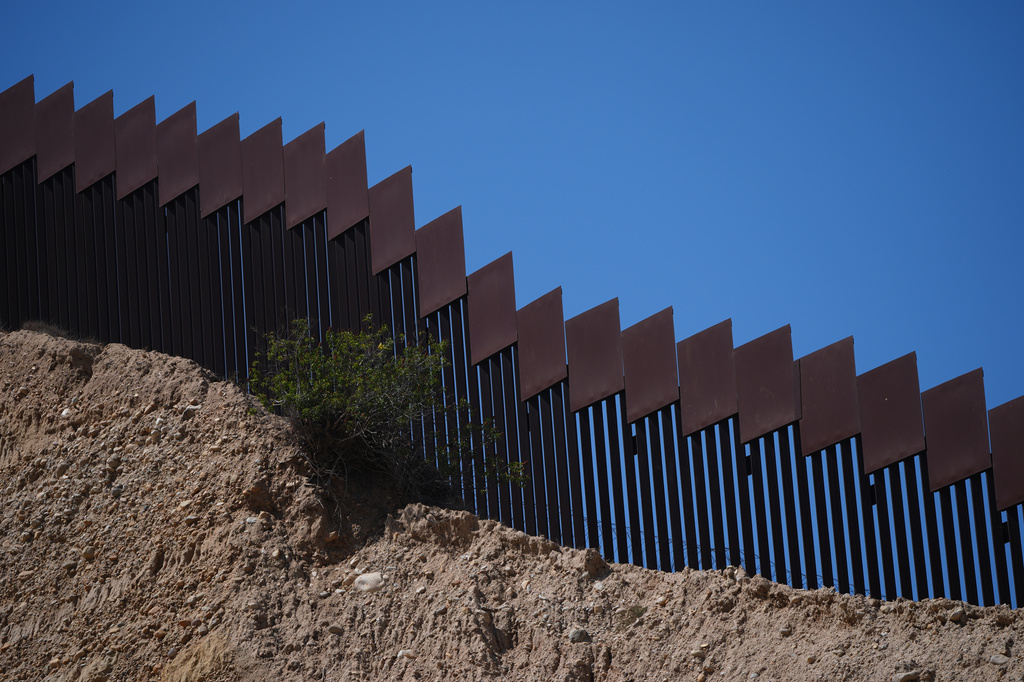
The border wall structures are seen separating the United States and Mexico Tuesday, Sept. 15, 2026, in Tijuana, Mexico. (AP Photo/Gregory Bull) |
The debate over immigration has been a constant part of Trump's terms in office, and I've covered his campaign positions and policy directives — and their aftermath — for more than a decade.
But what I'm reading this week did two things for me: traced the origins of today's immigration policy farther back in our nation's timeline, and put human perspective on what it's actually meant for people trying to come to the U.S.
This week I picked up "Everyone Who Is Gone Is Here," in which journalist Jonathan Blitzer traces the roots of what's happening today in U.S. immigration policy to its origins in the Cold War of the 1980s, and the displacement triggered in part for U.S. support for regimes seeking power in Central America.
Relying on personal accounts of migrants, activists and policymakers through the decades, Blitzer weaves a big-picture tapestry that adds rich context to what we see playing out in the decisions made today.
Read more of AP's coverage on immigration. |
|
|
|
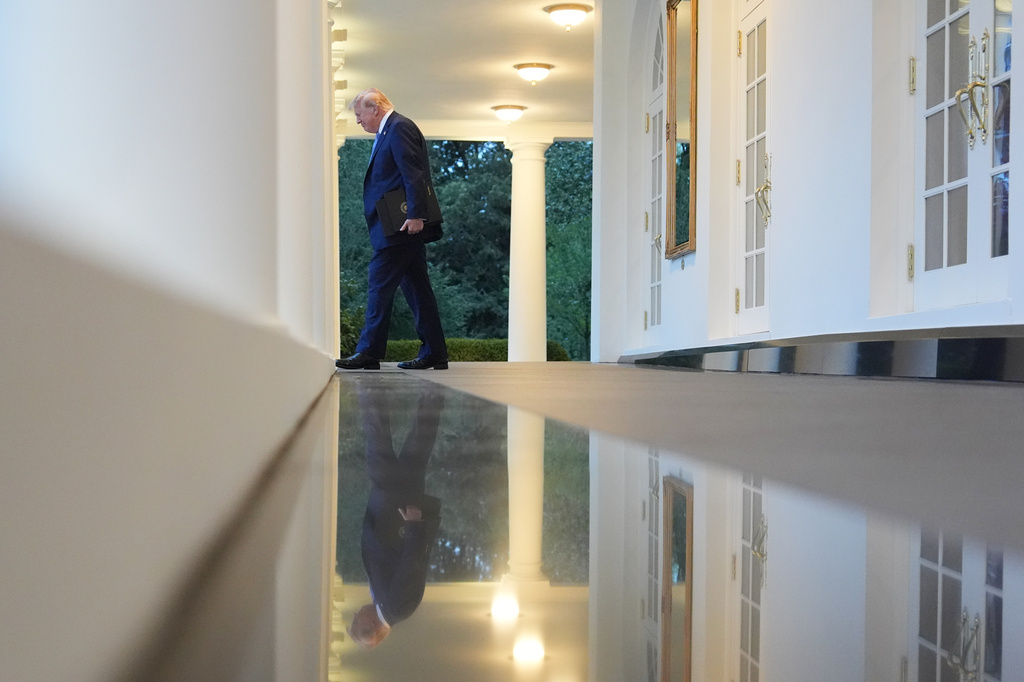
President Donald Trump walks along the colonnade to attend a dinner in the Rose Garden of the White House, Thursday, Sept. 17, 2026, in Washington. (AP Photo/Alex Brandon) |
Here's how chief White House photographer Alex Brandon captured this photo of the president this week: "We photographers love reflections and shadows. The White House put us on the Colonnade for Trump’s walk out to speak with hunters about an executive order he just signed. Trump recently replaced the original slate floor of the Colonnade with polished black granite, and there is a shiny edge that works great for a reflection shot. I kneeled, placing the camera on the slate, and waited for him to walk out. And moved quickly after that to get the pictures of him speaking." |
|
|
|
|