|
|
|
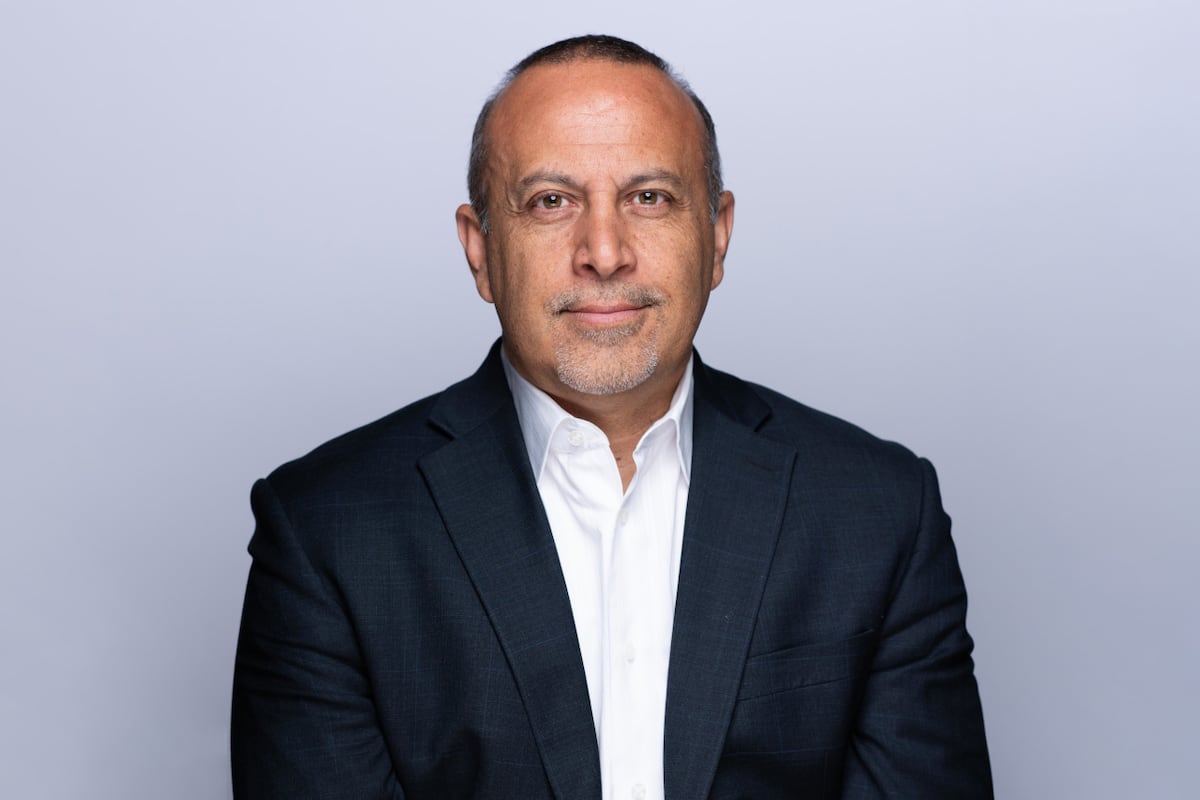
Zohran Mamdani: ‘I will leave it to others to label me’
|
|
|
|
|
Dear readers,
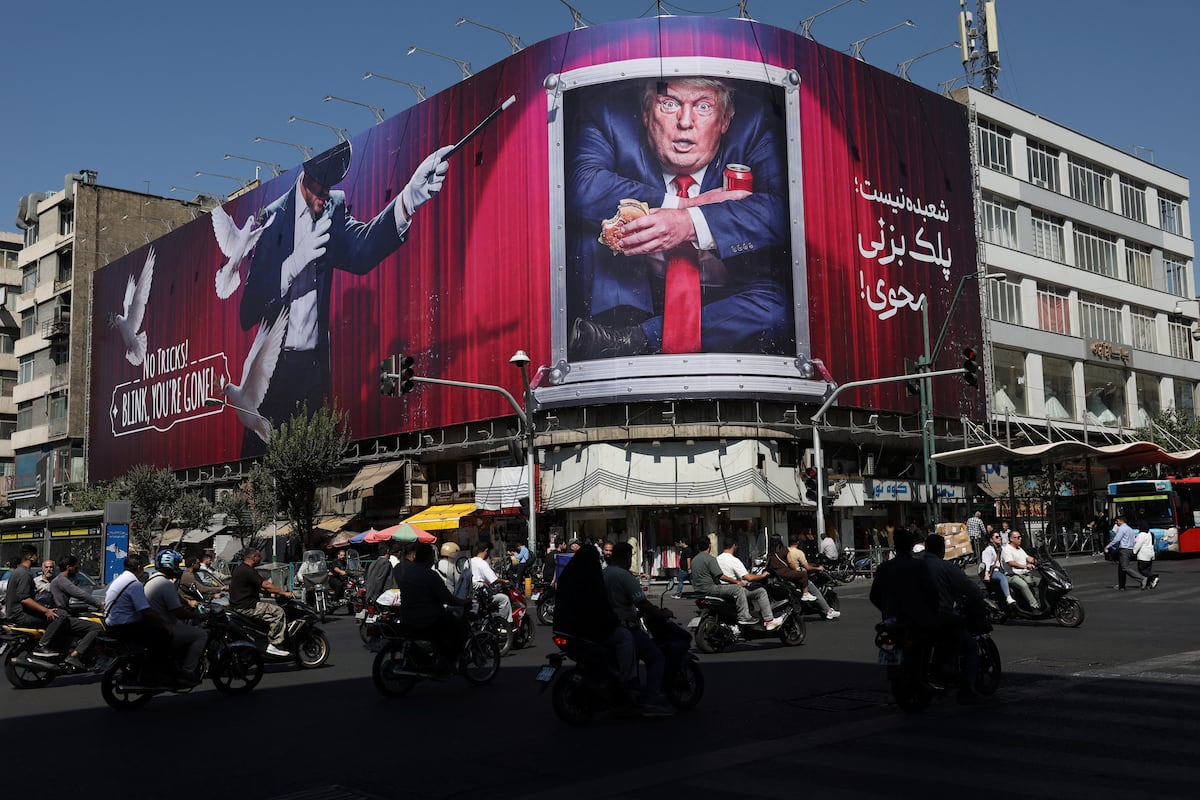
This week we published an exclusive, wide-ranging interview with New York Mayor Zohran Mamdani, who despite leading a progressive wave in the Democratic Party in the U.S. prefers to downplay his anti-Trump reputation: "I’ve been very clear that I have a wide range of disagreements with the president. On immigration, for example. I’ve told him directly that ICE is an agency that operates with cruelty and inhumanity. It should be abolished," he told EL PÁIS.
September 11 marked the 25th anniversary of the 9/11 terrorist attacks on New York, a city famous for its constant reinvention. Photographer David Monderer was in a chance position on that fateful morning to capture what turned out to be one of the final shots of the Twin Towers, and the aftermath of the airplane impacts on the World Trade Center.
We also traveled to the pro-Russian region of Transnistria in Moldova, a country on the path to EU membership, looked at the widening inequality gap in Cuba and pondered the question on everybody's minds in the age of AI: should we genuinely fear the technology rising up?
We hope you enjoy this selection of stories from EL PAÍS US Edition.
|
|
|
|
|
|
|
|
 |
 |
|
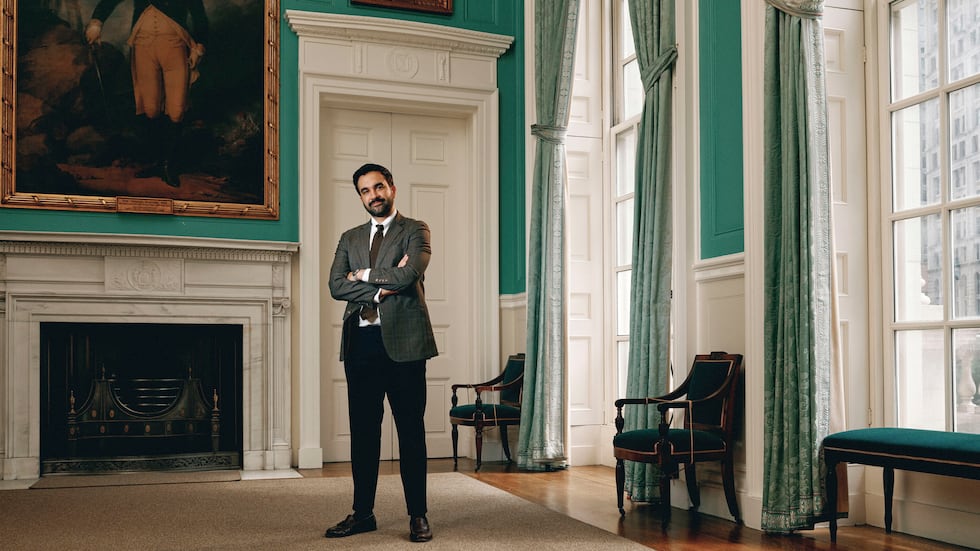
‘Democracy doesn’t work if people can’t afford their basic needs’
|
|
Eight months ago, he became New York’s first socialist mayor on the promise that another way of doing politics is possible. Though he has no shortage of critics, the energy of the Mamdani effect can be felt across the city and within the Democratic Party nationwide. His guiding principle is that politics should improve the lives of working-class people
|
|
|
|
|
|
|
|
|
|
|
|
|
|
 |
|
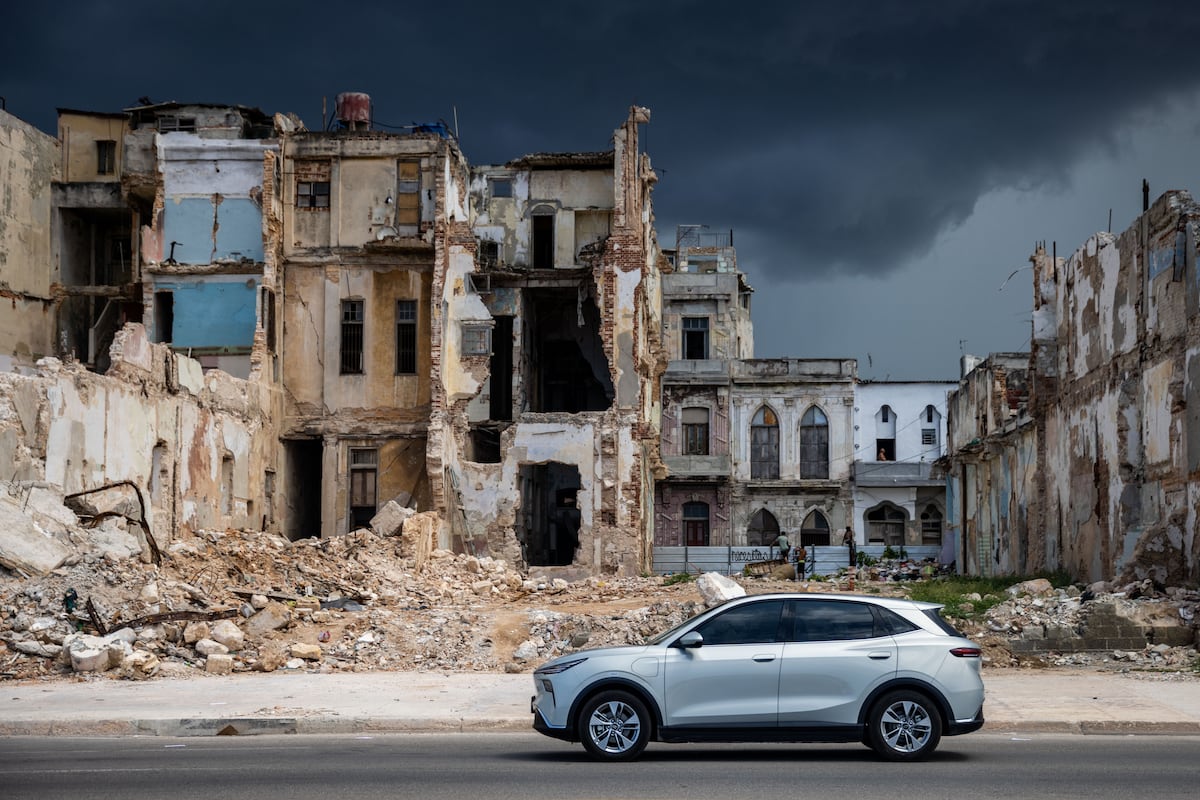
Homes in the dark and electric cars: Snapshots of inequality in Cuba
|
|
The island’s economic and energy crisis, worsened by the U.S. embargo, is widening the gap between those who can afford to import luxury cars and buy solar panels, and an impoverished majority that faces blackouts, food shortages, deteriorating housing and growing difficulty meeting their basic needs
|
|
|
|
|
|
|
|
|
|
|