Taiwan’s war games, straw summer baskets and stories you might have missed.
|
Thursday 6/8/26
|

|
|
London
Paris
Zürich
Milan
Bangkok
Tokyo
Toronto
|
|
|
|

Good morning from Midori House. For more news and views, tune in to Monocle Radio. Here’s what’s coming up in today’s Monocle Minute:
THE OPINION: Your city has a great quality of life – it’s you who has changed
DEFENCE: How do you prepare for an invasion? Taiwan tests the waters
DAILY TREAT: Straw summer baskets from Liffner
THE LIST: Stories you might have missed
|
|
Aussie cities show that quality of life means being in the right place at the right time
By Blake Matich
|
Quality-of-life rankings are all the rage these days – in part spurred by Monocle’s own annual list – but sometimes it’s worth introducing an indefinite article and considering the quality of a life. Because as the general gist of years proceeds into decades, you start to realise that quality is not a constant – what constitutes a good life at 25 rarely resembles one at 45 or 65.
But in the three Australian cities that made Monocle’s latest Quality of Life Survey – Sydney, Melbourne and Perth – we see that it’s possible to have a national quality-of-life ecosystem; a sort of countrywide relay in which each city takes the baton for life’s various stages.
Sydney
Sydney’s central playground is its harbour, which divides the city but unites Sydneysiders. As a deckhand in my teenage years, I came to know the harbour better than most. But I’ve never ceased to be astonished by its big blue belly, the bottle-green coves that shallow into little blond beaches and mangrove creeks rusting in the setting sun.
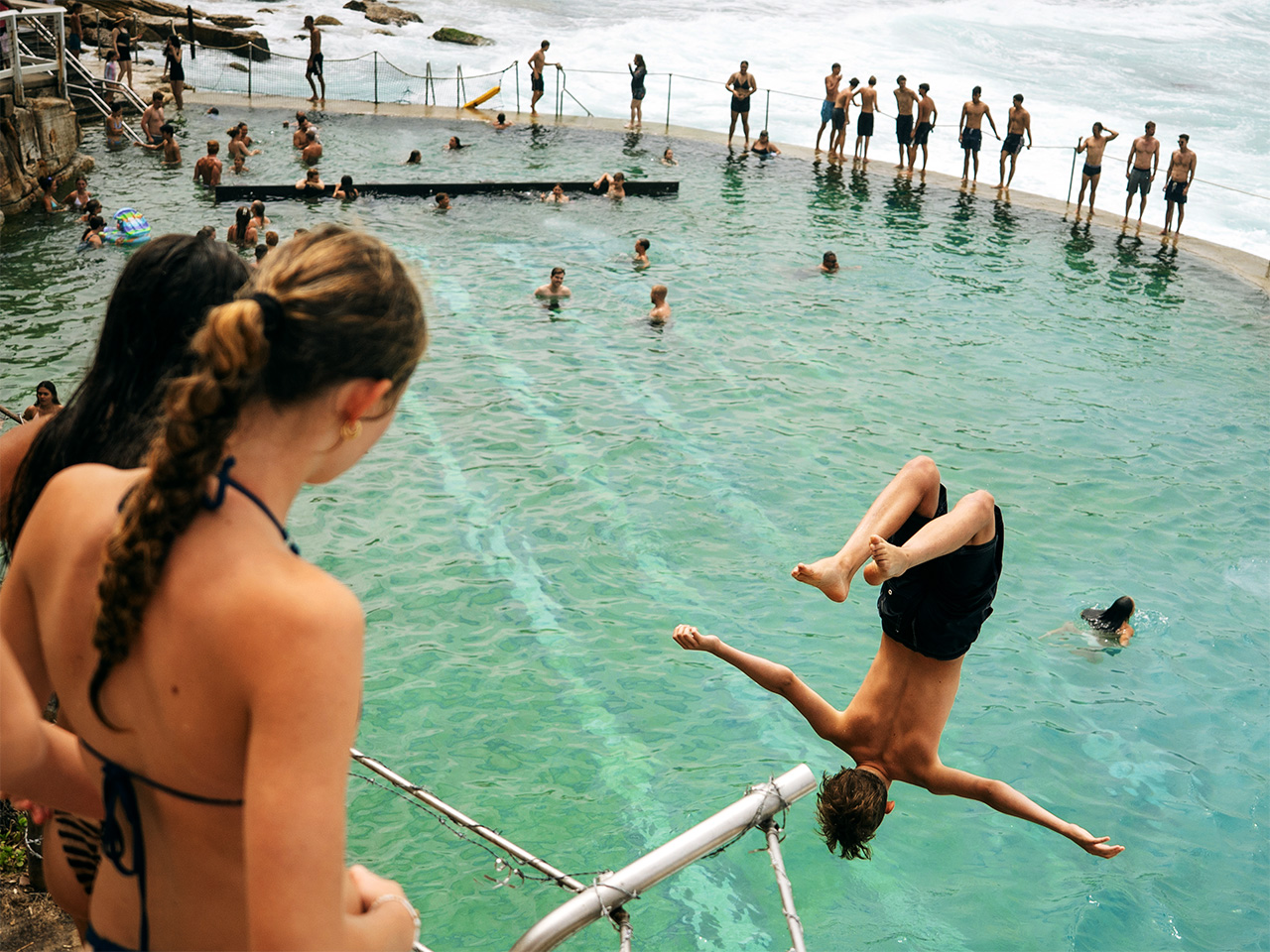
Like all paradises, Sydney is a great place to grow up and grow old. It’s a diurnal city: locals rise at dawn and settle at dusk. Children enjoy a playing-outside-until-dark childhood, the loss of which elsewhere in the world is the lament of many parents. It’s safe, sun-drenched and – given that sport is as central to Australian life as SPF50+ and going barefoot – there’s no shortage of activities to keep the ankle-biters occupied. This means that it’s also the sort of place where, if you ask about the nightlife, they will tell you about the possums, bandicoots and flying foxes (none of which, sadly, are names of bars).
The water dictates almost every aspect of metropolitan life: where we socialise, how we get around and, above all, what we aspire to. The local religion is real estate; nirvana a mere matter of “water views”. But this property obsession does not make for easy living when you’re a young adult.
| |
|
On the flip side: Teenagers jump into the Bronte Baths in Sydney
|
|
Melbourne
The Victorian capital doesn’t have all that bother of panoramic beauty – and without the pressure to live a perfect life, you can have an interesting one instead. While Sydney encourages early risers, Melbourne convinces you to stay out late, to order that post-dinner espresso and find the next bar on Smith Street.
Hence the city’s embrace of a shabby-chic aesthetic and why, once my twenties were in full swing, the grungier and more open-minded Melbourne seemed like the place to be. The city enabled me to live in diverse inner-city suburbs, where you didn’t have to be a ring-tailed possum to go out at night. There’s always something to do, with vibrant music and art scenes, perpetual sporting action and excellent dining options (don’t be dismayed by the lack of Michelin stars, because Australia has its own system using hats). And Melbourne’s well-earned reputation as a coffee capital means that you’re never far away from a perky piccolo.
Perth
In this national relay, Perth is the curve runner. Melbourne’s possibilities make it an ideal setting to explore yourself but when middle age creeps up on you in a pair of orthopaedic sandals, you might want more space and less clatter. The consistency and stability of Perth means that it’s the Western Australian capital’s time to shine.
Now, I might not have lived in Perth but the more time that I spend in said sandals, the more I realise the subtle attraction of a smaller city that has its act together. To settle down, spread out and make a laid-back lifestyle your own, Perth is hard to beat. After all, on the city’s riverine foreshores you can enjoy more hours of sunlight than any other Australian city. What is more, multiple recent infrastructure projects have smoothed links between the city, the airport and the suburbs. Sometimes you need to go to the world’s most isolated major city just to get away from it all.
Timing is everything
But at the end of all our urban exploring, the baton returns to Sydney for life’s final straight. We prize balance once again, with ready access to both the slow road and the fast lane. We want to start the day with an early-morning swim, a cappuccino at the surf club, and finish it with a harbour cruise to a show at the Opera House.
One city cannot be expected to meet your quality of life needs forever. Our priorities shift as we grow into different versions of ourselves. These Australian cities are highly liveable and, when viewed as a trio, help us to live better, decade after decade. When it comes to the quality of a life, Australia has it all.
For more on what makes some cities deliver a better quality of life, join us at The Monocle Quality of Life Conference in Lisbon from 3 to 5 September.
Blake Matich is Monocle’s digital sub editor – and one of our many Australia-born, London-based Antipodean experts. For more opinion, analysis and insight, subscribe to Monocle today.
|
|
defence: Taiwan
Taiwan puts its defence readiness to the test with annual war games
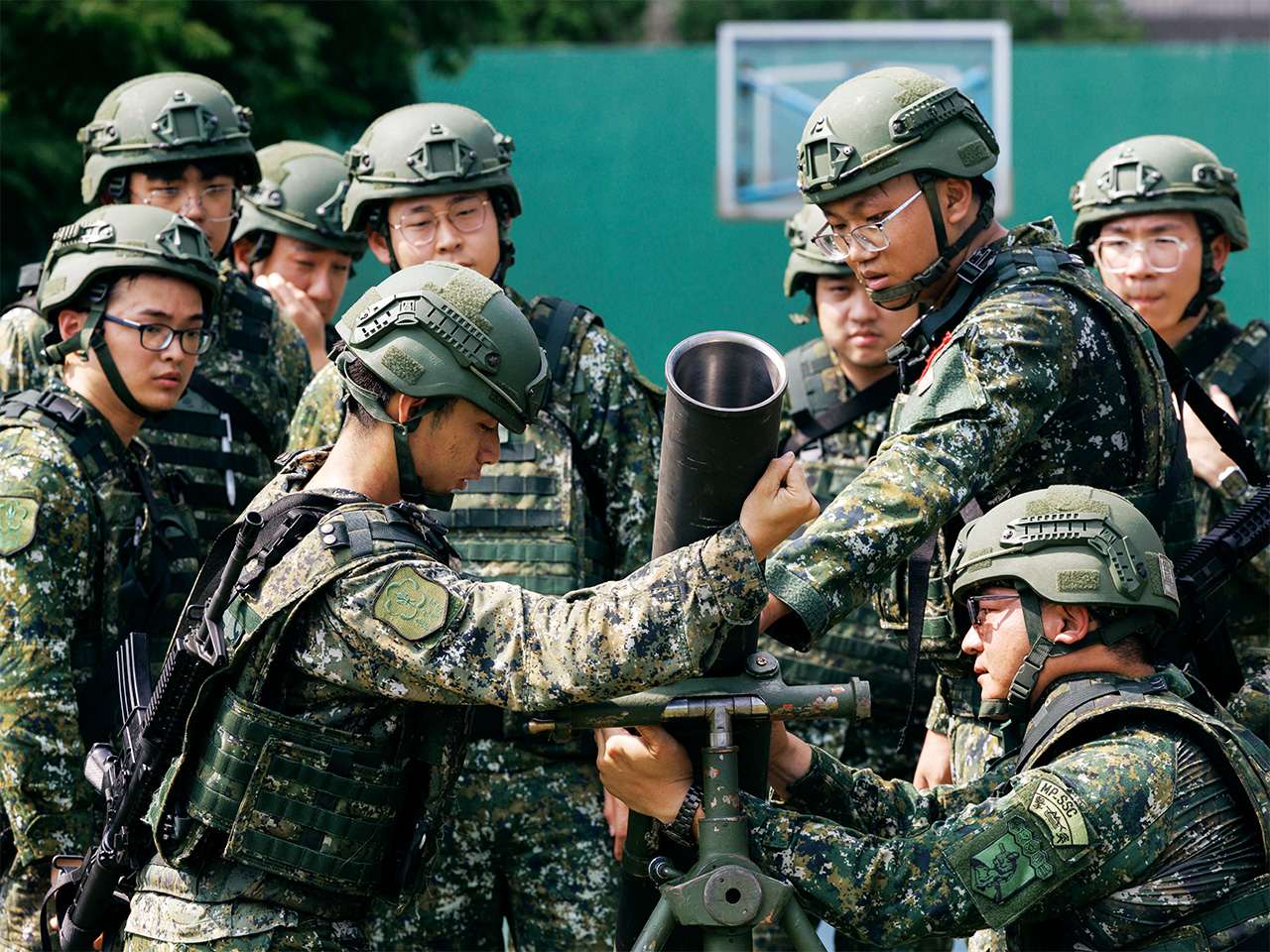
How do you prepare for an invasion (asks Nkele Martin)? For Taiwan, readiness takes the form of annual drills, which ensure that both military and civilians know what to do in the event of war with China. This year’s drill, known as Han Kuang, kicked off yesterday with military exercises and an internet slowdown.
Held since 1984, Han Kuang takes place over 10 days with a series of combat scenarios that include live firing, emergency naval deployments and fighter-jet dispersals. But the addition of communication challenges is new, demonstrating the island’s shift in strategy and the importance of internet connectivity during wartime.
| |
|
Laying the groundwork: Taiwanese military reservists during a training exercise in Taipei
|
|
After more than 22,000 reservists were mobilised for last year’s exercises, Taipei expanded the drills and made them more realistic. “A lot of the emphasis this year is to further test, train and enhance the frontline troops’ ability to act as the decision makers, rather than awaiting feedback or orders coming from the command centre,” William Yang, senior analyst at the International Crisis Group, tells The Monocle Minute.
To improve co-ordination, Taiwan has incorporated a so-called “backbrief” approach modelled on US military practice, in which junior officers restate mission details to commanders after receiving orders. The army is also reportedly introducing an “embedded reporter” who will monitor wartime news and enemy disinformation. Towards the end of the drill, the military will deliberately slow down internet speeds to test how civilians would communicate in a disaster scenario.
This addition follows the trend of civilian preparation in places such as Sweden, Ukraine and Norway. Now, Taipei is using a similar strategy, including internet slowdowns, to prepare modern society for worst-case scenarios.
The Han Kuang war games conclude on 14 August. For more on the exercises, listen to William Yang on ‘The Briefing’.
|
|
• • • • • DAILY TREAT • • • • •
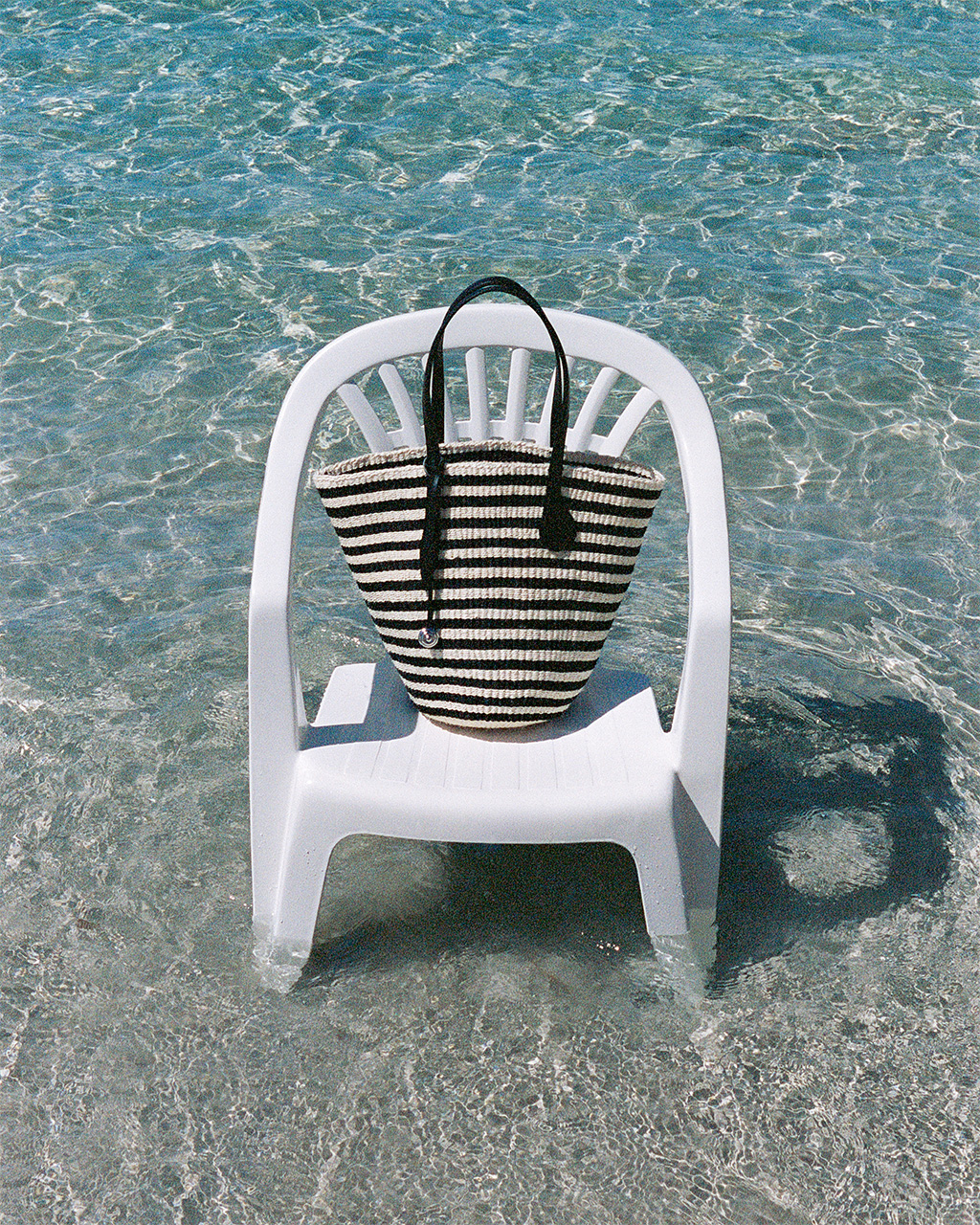
Weave your magic with a straw summer basket from Liffner
Your summer look isn’t complete without a straw basket. Stockholm-based Liffner provides some of the most elegant options, free from logos or unnecessary embellishments. The label’s new line of woven totes stands out for its sculptural shapes, striped patterns and handmade quality.
The brand’s founder, Paulina Liffner von Sydow, collaborated with artisans in Kenya’s Kitui county to create the baskets, which are woven by hand using locally sourced sisal. The partnership creates opportunities for women in eastern Kenya’s Matinyani and Kamulaani communities to earn extra income that helps them to provide for their families.
liffner.co
|
|
the LIST: FROM monocle.com
Stories you might have missed
Not been on monocle.com recently? Here are three thought-provoking reads worth your while.
|
|
| | |