Welcome to the
Ruscio Research Report |
|
In each edition, I’ll share the most interesting and actionable findings from the latest health studies so you can stay informed (without sifting through dense medical journals).
Here’s what I found this month:
|
|
A Negative SIBO Test Doesn't Always Close the Case |
|
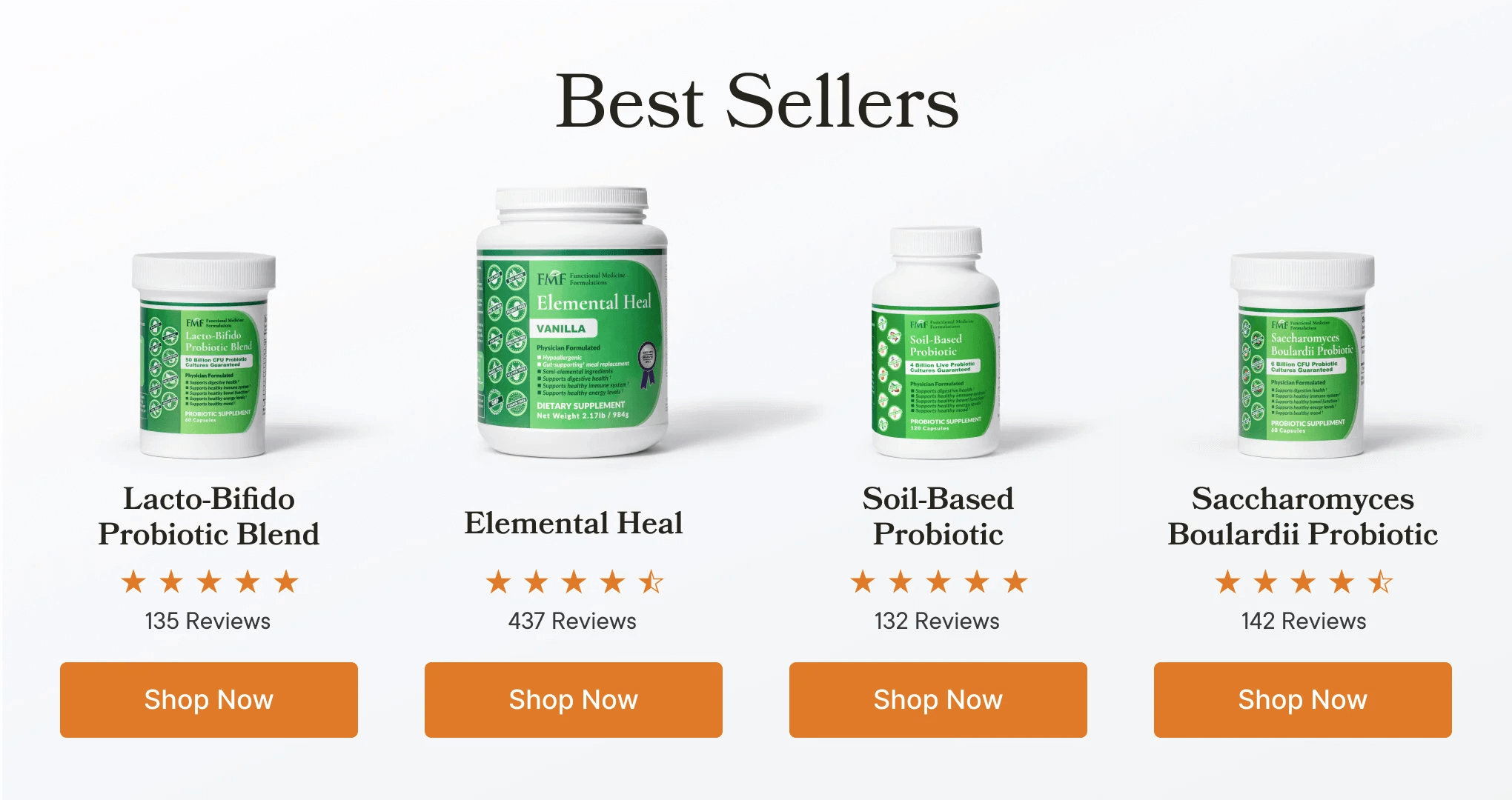
When bloating, gas, and stomach discomfort don't have an obvious cause, small intestinal bacterial overgrowth (SIBO) is often one of the first things practitioners test for, usually with a breath test. It's a natural starting point because bacteria ferment food in the small intestine, producing those same symptoms. But a 2026 study of 300 patients referred for SIBO testing found that a negative result doesn't always mean the search is over: among the 140 who also completed a sucrose breath test, 22% of those who tested SIBO-negative had sucrose malabsorption instead. Sucrose malabsorption is simply the incomplete breakdown of table sugar in the small intestine. When the sucrase enzyme falls short, unabsorbed sugar ferments in the gut the same way, producing the same bloating and gas you'd expect from SIBO. It can be inherited or, more often, picked up secondary to gut lining damage from infection or inflammation. Symptoms alone didn't distinguish the two conditions. Dr. Ruscio’s Take: A clean SIBO test doesn't mean we stop looking, it means we widen the search. Cutting back on sucrose and other fermentable starches for a short trial period is often the simplest next step, which is why we built our |
|
|
Curcumin Eased Hot Flashes in a Small Trial |
|
Hot flashes are among the most disruptive parts of menopause, and non-hormonal options are always worth exploring. A 2026 randomized controlled trial (RCT) gave 40 postmenopausal women either curcuminoids (the active compounds in turmeric, dosed at 1,000 mg/day) or a placebo over 12 weeks. By the end, the curcumin group was having about seven fewer hot flashes per week than placebo. Dr. Ruscio’s Take: Curcumin’s safety profile makes it a low-risk option to try, which is why something like CurcuSelect uses this well-researched pairing of strains. |
|
|
Vagus Nerve Stimulation Shows Early Promise for IBS |
|
Vagus nerve stimulation (VNS) uses gentle electrical stimulation to activate the vagus nerve, the main communication pathway between the gut and brain. Most studies used a small ear-worn device that delivers a mild electrical pulse. It's gaining interest for IBS, a condition that often resists any single approach. A 2026 review pulled together the VNS literature, most of it using this non-invasive, ear-based method. The research is early, but the findings have been fairly consistent: more complete spontaneous bowel movements, less abdominal pain, lower IBS symptom scores, improved rectal sensation, and better quality of life. And the mechanisms fit the results. Vagus nerve stimulation appears to reduce inflammatory signaling, calm the heightened pain sensitivity common in IBS, and encourage a healthier gut microbiome by increasing beneficial bacteria and short-chain fatty acid production. Dr. Ruscio’s Take: We think about the gut-brain connection as a two-way street, one we can work from either end. The symptom data and the underlying biology point the same way, which makes VNS worth watching for patients who haven't gotten far with gut-directed approaches alone. For a practical starting point, our video on vagus nerve dysfunction symptoms and how to address them walks through natural ways to support it. |
|
|
Dr. Michael Ruscio, DC
Adjunct Professor, University of Bridgeport
Clinical Researcher |
|
|
|
|