health
Getting fit for a heart transplant
Adobe
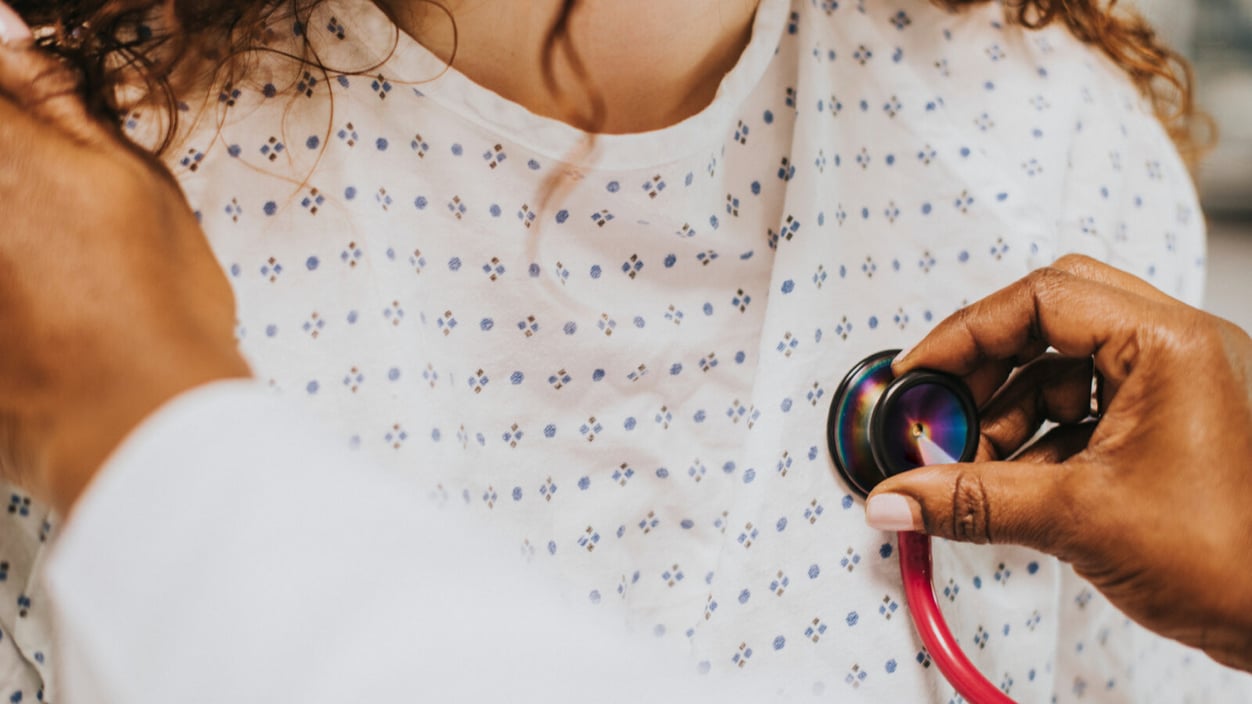
For an athlete, the muscle lost in a single day of bed rest takes three days to gain back. For patients nearing heart failure, the results are similar, but the stakes are higher. At Banner–University Medical Center Phoenix, physicians noticed that hospitalized patients awaiting transplants were becoming weaker, jeopardizing their chances of getting a heart.
“The scientific literature says, the stronger you go for surgery, the better your outcome,” said Radha Gopalan, a transplant cardiologist at the hospital. “Based on that was born the idea of prehab.” In prehab, patients stuck at the hospital can use arm and leg bicycle machines in a gym to increase their heart rate and lung function. Gopalan spoke with STAT’s Elizabeth Cooney about the program’s early results for 45 patients. Read the conversation.
training
Should AI scribes be allowed in med school?
Proponents of artificial intelligence say that medical scribes are a helpful way to lower physician burnout and increase revenues. But what about for medical students, who haven’t yet built up their own traditional note-taking skills? Most medical programs are working it out in-house, with no clear guidance from the national organizations that govern medical training.
“The process of deliberately crafting the note forces us to use our brains to really wrestle with what’s happening,” said Jaideep Talwalkar, an associate dean at Yale School of Medicine. But others see the practice as more geared toward billing and insurance than patient care. Read more from STAT’s Lauren Chan on where things stand, and when we can expect better research to inform these decisions.
first opinion
He delivered ALS diagnoses — then he received one
As a neurologist, Christopher Campos knew the signs of ALS when they started appearing within his own body. A weakness in his right hand spread to the left. Eventually, it spread to all four limbs. ALS leads to lost motor neuron function in the brain and spinal cord, ultimately affecting someone’s speaking, swallowing, breathing, and more.
“Losing the ability to speak and move has taught me how quickly society conflates physical dependence with diminished personhood,” Campos writes in a new First Opinion essay. Read more on what he’s learned on the other side of the conversation.