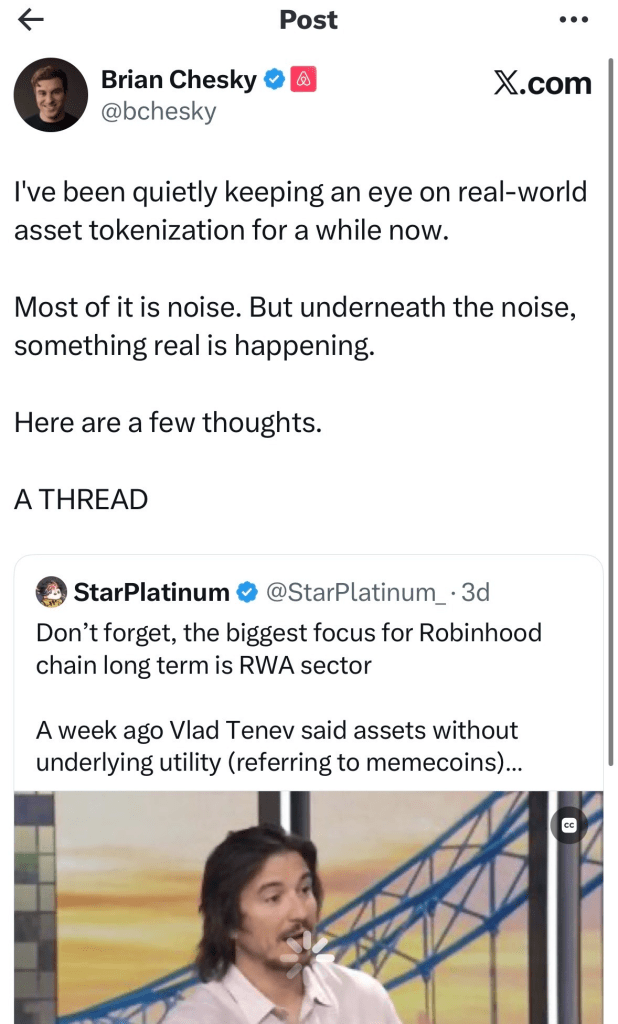
Back in 2024, it all seemed so promising. Coinbase would use its app called Base, built around its blockchain of the same name, to build a decentralized trading and social media platform. It didn’t work out that way. The
original vision for Base is in tatters and much of the project now looks like a costly distraction that has embittered numerous users, and forced Coinbase to play catch-up to ascendant crypto powerhouses like
Hyperliquid and
Robinhood.
How did this happen? In a remarkably
candid X post, the Coinbase executive who leads Base, Jesse Pollak, admitted that trying to turn the app into a social media forum—one where everyone sold “creator coins” tied to the content they posted—was a mistake. It turned out few people wanted to drop X and Instagram for a crypto-based alternative.
It didn’t help that Coinbase at times appeared to have its thumb on the scale, favoring people and projects from its own network, which let a chosen few cash in at the expense of other users and developers. Finally, there was the matter of Pollak himself, whose hyperactive social posts could come across as cringe, leaving many, including some inside Coinbase, to see him as high on his own supply.
In his mea culpa post, Pollak owned his failings, but also noted that it’s tough to “build a decentralized blockchain inside of a big centralized public company.” The comment underscores how, even though Coinbase CEO Brian Armstrong remains a true crypto believer, he also must contend with quarterly earnings reports and impatient shareholders. This means building a major decentralized project under the Coinbase corporate umbrella was always going to have a short leash.
But even as both Armstrong and Pollak admitted to missteps around Base, they didn’t recognize an overarching strategic mistake: Building for an era of crypto that no longer exists. That era involved small cliques of devs talking a big game about decentralization (which often provided a pretext for no accountability) while shilling tokens at all turns. This model worked for well over a decade because, in those go-go speculative days, there was an ongoing influx of gullible retail investors eager to prop up the token flippers.
Today, those amateur investors, burned by crypto one too many times, have moved on to things like prediction markets, and are unlikely to come back. Meanwhile, crypto has finally moved beyond its speculative era as new players like Hyperliquid adapt blockchain rails for trading conventional commodities like oil, and as big Wall Street firms embrace tokenized assets. If Coinbase wants to compete in this environment, it can’t afford to carry on like a crypto subculture.
The Base experiment, meanwhile, hasn’t been all bad. It gave rise to the impressive X402 protocol, an open source protocol for
agentic commerce that is fast becoming an industry standard—and that Coinbase is in pole position to exploit. Meanwhile, as Armstrong has suggested, the Base app can be a vehicle to expand into lightly regulated overseas markets. To this end, Coinbase has moved Pollak into a new less-visible role building out the Base blockchain, while hiring crypto OG Jordan Fish a.k.a. Cobie (sorry, Jordan, the pseudonym era of crypto has also come to an end) to run the app, which is now focused entirely on finance.
We’ll see whether these changes mean that Coinbase is now set to build for the next era of crypto rather than the last one. Thanks for reading—as always drop me a note if you have thoughts or tips.
Jeff John Roberts jeff.roberts@fortune.com@jeffjohnroberts