Hi there,
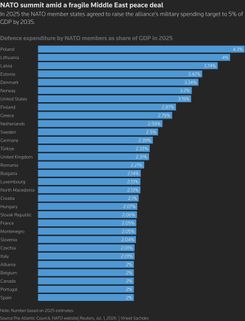
Well, the geopolitical cards have been thrown back up into the air. U.S. President Donald Trump is saying the ceasefire with Iran is over after the two sides traded attacks overnight. Trump’s remarks, at a NATO summit in Ankara, risk revving up price pressures and put the possibility of a Fed rate hike back in play.
The impact on energy markets was immediate, lifting crude prices by 6% to a two-week high of nearly $80 a barrel. As my colleague Ron Bousso points out, energy markets have not adjusted to the fact that traffic through the Strait of Hormuz is likely to remain unpredictable for the foreseeable future. That’s bad news for energy importers such as Japan, and the currencies they must sell to buy oil internationally. The yen had been on a historic slide even before the latest geopolitical bump, plumbing 40-year lows and raising the risk the government will have to intervene to support it. The yen’s fate is the topic of this week’s Reuters Econ World podcast. Watch here.
Stocks were heading lower even before Trump’s intervention. Worries about the sustainability of the AI-driven rally have gripped Wall Street. South Korea is in the teeth of the storm. The benchmark KOSPI stock index fell more than 5% on Wednesday, dropping more than 20% from a record close in late June and signalling that it is in bear territory.
The concerns about the AI trade are coming just ahead of second-quarter earnings season. Blockbuster results are no guarantee of a warm market reception. Samsung Electronics saw more than $80 billion (yes, you read that right) wiped off its market value on Tuesday despite reporting a 19-fold increase in second-quarter earnings.
While investors fret, China is looking to build a moat around its models. Reuters reported exclusively this week that Beijing is looking at curbing overseas access to China's top AI models and that DeepSeek is developing its own AI chip.
Since the emergence of DeepSeek's R1 model last year, Chinese AI models have made big inroads globally thanks to their low costs and increasing capabilities. Any decision by Beijing to limit access to those products could ripple across AI markets as costs for many businesses would likely increase.
Thanks for sticking with me on a Wednesday, this newsletter will be back, as usual, on Thursday next week.
As always, I'd love to hear from you by hitting reply on this email or finding me on LinkedIn.
Carmel