+ AI drives up old-school power costs
 

Sustainable Finance

Sustainable Finance

By Ross Kerber, U.S. Sustainable Business Correspondent

A recent deal between the U.S. Treasury Department and three top asset managers to run newly created child savings accounts dubbed Trump Accounts raises all sorts of questions about the firms' proxy voting policies. 

You can read more about the arrangements in this week's top story I have linked below.

You will also find links to our coverage of how demand from data centers is driving up U.S. electricity costs, the addition of SpaceX to a key Nasdaq index, and white supremacists marching in Washington, D.C.

Please follow me on LinkedIn and/or Bluesky. You can reach me via ross.kerber@thomsonreuters.com. 

Latest Headlines

  • EU plans slower CO2 cuts, more free permits for industry in carbon market overhaul
  • What are the key issues in Volkswagen's restructuring efforts?
  • Japan's ruling party plans tighter oversight of disclosures by activist investors
  • BHP iron ore workers threaten first strike in decades at Port Hedland
  • Latin American countries, some steelmakers argue for US tariff exemptions


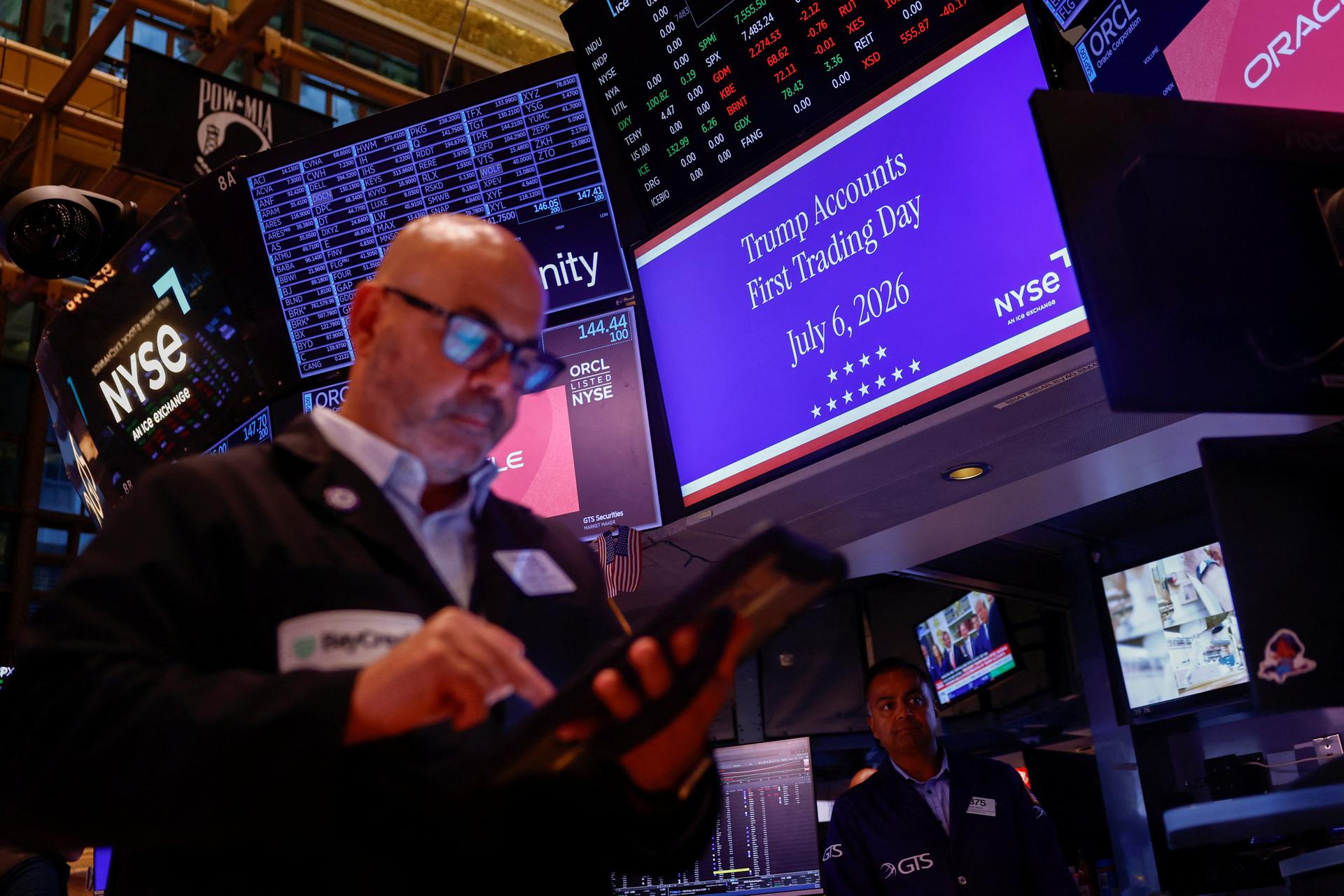
A message about Trump Accounts is displayed at the New York Stock Exchange in New York City, U.S., July 6, 2026. REUTERS/Jeenah Moon

Trump Accounts test independence of Big 3 asset managers

 U.S. President Donald Trump's administration likes to throw its weight around in dealings with Corporate America, as the CEOs of Intel, Nvidia and U.S. Steel can attest.

Now the biggest players in the asset management industry will learn more about their own freedom of action after the U.S. Treasury on July 2 named them to run money for the new "Trump accounts." Under the savings program the government will deposit $1,000, meant as seed money, into an investment account for each U.S. newborn. 

Initially, all contributions to the program will be invested in the State Street SPDR Portfolio S&P 500 ETF <SPYM.P> with other ETFs the firm and rivals BlackRock and Vanguard to be eligible later.

On the surface the three firms look like obvious selections. Known as the "Big 3," they dominate their industry with low-cost index funds and run a collective $33 trillion.

But deals with Trump often go beyond dollars and cents, as the semiconductor and steelmaker firms found out and as the fund firms know via their records on environmental, social and governance (ESG) issues.

You can read what the Treasury has to say on this topic in my column this week by clicking the button below.

Read my column here


Company news

  • No pleasing them: Second-quarter operating profit rose 19-fold, Samsung Electronics reported, but investors still bid down its shares on concerns the AI boom might not last.
  • I know this isn't the most important story out there but Nike was sued by 7-Eleven, which accused the sportswear giant of ripping off its signature orange, green and red stripe design for a sneaker planned for release on July 11 -- known as "7-Eleven Day." 
  • Rising power demand from big tech data centers is driving up electricity costs for many traditional manufacturers, my colleague Laila Kearney reports.
 

On my radar

Metro riders included Patriot Front members on the 250th anniversary of U.S. independence on the Fourth of July in Washington, D.C., U.S., July 4, 2026. REUTERS/Cheney Orr

  • Reuters photographers saw hundreds of people dressed in Patriot Front outfits traveling on Washington, D.C. Metro trains last weekend. The far-right white nationalist group marched through parts of the U.S. capital on the nation's 250th Independence Day.
  • SpaceX's entry to the Nasdaq-100 index was accompanied by dozens of equity analyst reports, many of them breathless forecasts of future success, writes our Breakingviews columnist Jonathan Guilford. 
  • Speaking of SpaceX, allied consumer groups including Americans for Financial Reform and the Consumer Federation of America renewed concerns about Nasdaq rule changes allowing the company early entry to its Nasdaq-100 index. "Millions of retirement savers that have followed prudent and time-tested advice to invest in low-cost index funds are now exposed to risks they never agreed to," they wrote.
 

Sponsors are not involved in the creation of newsletters or other Reuters news content. Advertise in this newsletter or on Reuters' website