
|
 |
Fighting for journalism and profitable news media
Meet UK civil servant regulating Google | Youtube promises publisher paywall integration
Plus how Lebanese newspaper is making news pay amid war and how Full Fact has weathered loss of £1m Google funding
|
| |||||||||||||||


Good morning from the team at Press Gazette on Thursday, 4 June.
Press Gazette’s awards for the best digital journalism products (newsletters, podcasts, websites, etc.) are now open for entries. Find out more here.
 |
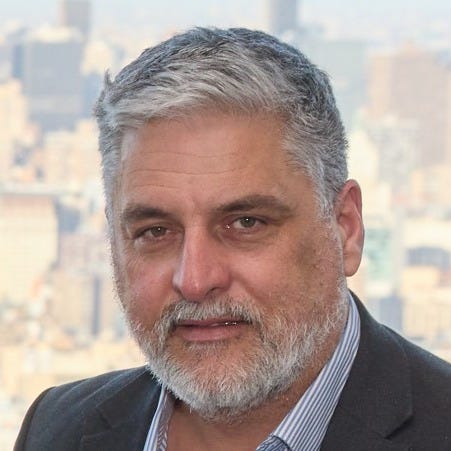
🔎 Yesterday I met the UK civil servant charged with regulating the world’s dominant media company Google.
Worth some $4 trillion, Google is nowadays bigger even than Standard Oil was at its peak (the energy company that once controlled 90% of US petroleum production and was broken up in 1911).
Head of the Digital Markets Unit at the UK Competition and Markets Authority Will Hayter hopes that through a “participative approach” he will foster better negotiations between publishers and Google. Frankly, any negotiation would be better than the status quo.
Google has already said it will roll out global changes letting publishers opt out of AI Overviews without harming their position in search – a major concession.
I put publishers’ various concerns about shortcomings in the new CMA regime to Hayter and asked him whether he has the stomach to take on such a vast corporate power.
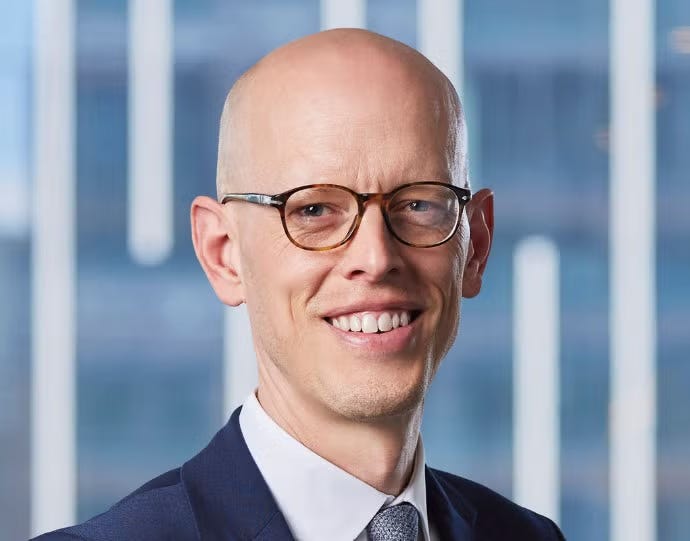 |
🥐 Down in Marseille at the World News Media Congress, the Europe boss of Google’s video platform Youtube has been on a charm offensive with publishers.
Currently merging paywall access with some of the most effective third-party platforms for content distribution is a real headache. This move could open up a handy new Youtube revenue stream and marketing channel for news website paywalls.
He said he hopes all newsbrands will be video-first in five years’ time “not because it’s good for Youtube, but it’s because I think it’s good for viewers and it’s good for society”.
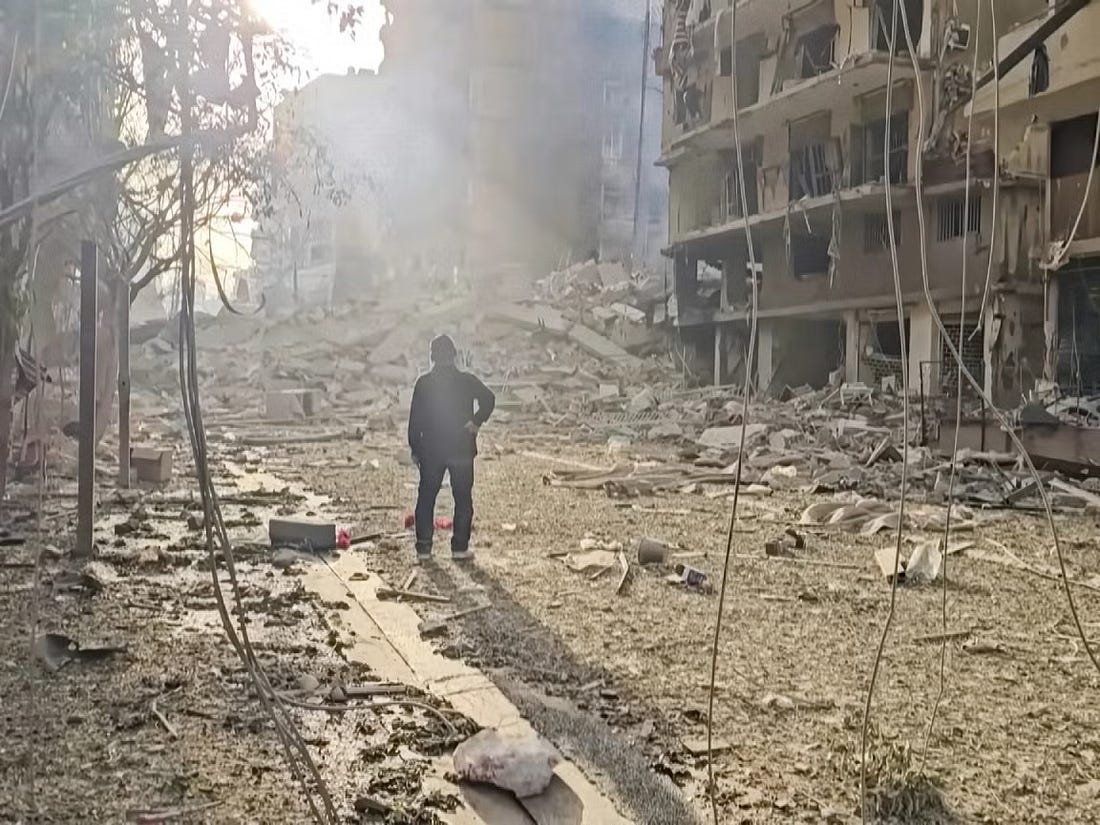
💥 The conference also heard from French language newspaper brand L’Orient-Le Jour about how it is making news pay in the midst of war between Hezbollah and Israel in Lebanon.
For Rima Abdul Malak, daily editorial life is dominated by questions about how to balance editorial needs with the safety of journalists.
Nine journalists have been killed by the Israeli military in Lebanon so far this year according to the Committee to Protect Journalists (four of these cases are described by the CPJ as “murder”).
Despite the carnage in her country, Abdul Malak is expanding the title into new languages (English and Arabic), new content areas (such as food) and live events in Lebanon and around the world.
 |