|
|
PUBLIC WORKS & ENVIRONMENTAL SERVICES
Fairfax Recycler Newsletter
|
|
|
As the days get longer and spring gets into full swing, it’s the perfect time to refresh our routines and make smarter choices for the community. Spring cleaning season is here, and it’s a great reminder that small actions to reduce waste, recycle properly, and reuse what we can make a big difference. The Solid Waste Management Program (SWMP) is here to help with up-to-date information on recycling, composting, and source reduction to keep our community clean and sustainable all season long.
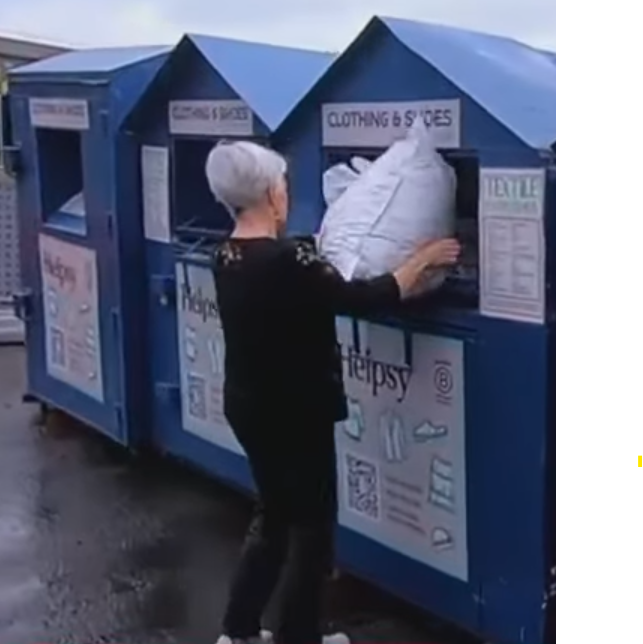
Don’t throw out those worn-out linens, clothes & shoes
In partnership with Helpsy, and following the overwhelming success we had at I-66 Transfer Station and I-95 Landfill Complex, we have added three more bins to make donating more accessible. We now have five locations!
- I-66 Transfer Station 4618E West Ox Rd, Fairfax, VA 22030
- I-95 Landfill Complex 9850 Furnace Rd, Lorton, VA 22079
- Sully District Government Center 4900 Stonecroft Blvd, Chantilly, VA 20151
- Jim Scott Community Center 3001 Vaden Dr, Fairfax, VA 22031
- West Springfield Government Center 6140 Rolling Rd, West Springfield, VA 22152
Items collected at these donation drop boxes are repurposed for resale. Any items that cannot be sold will be recycled into industrial rags or insulation.
Please bag your old, clean, and dry clothes, shoes, stuffed animals, and linens, and make sure they stay dry when placing them in the drop box.
|
Spring clean your medicine cabinet!
Do you have unused or expired over-the-counter or prescription medicine in your cabinet? Dispose of them properly to help prevent misuse and accidental poisoning and to protect our natural resources. Wastewater treatment plants and onsite sewage disposal systems are not designed to remove these chemicals. As a result, these medications can end up in the environment and eventually in our drinking water.
Police stations and area pharmacies provide permanent drug disposal drop boxes where you can safely dispose of your unused or expired medications any time of the year. Liquids and sharps (needles and syringes) are not accepted. Find a list of acceptable items and drop-off location near you.
For personal-use sharps, place needles and syringes in a rigid, sealable container such as a detergent bottle or thick plastic bottle, label it “SHARPS – DO NOT RECYCLE,” and place the sealed container in your household trash. Never place loose sharps in the trash or recycling, and do not flush them down the toilet.
Social Media!
Have you checked out our social media recently? We’ve been sharing some great advice and quick tips on waste reduction.
One recent favorite features Riley the Recycling Raccoon, reminding residents that even raccoons know refuse. When they’re not sure where something belongs, they check the Fairfax County Waste Wizard to find out!
|
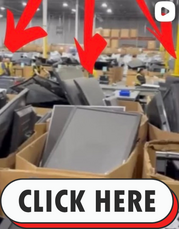
We’ve also highlighted the importance of taking a closer look at what we throw away. Many recyclable materials still end up in the trash every day. Every item recycled instead of trashed makes a difference.
|
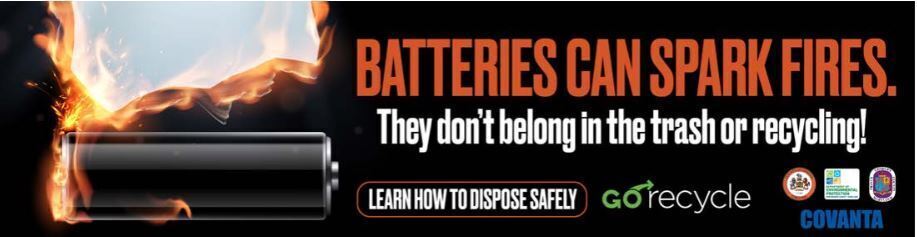
Another important reminder we recently shared focuses on lithium-ion batteries. These batteries can ignite if placed in curbside trash or recycling bins, creating serious fire hazards. Batteries should always be taken to designated collection locations for safe disposal and recycling.
Be sure to follow along on our social media channels for more helpful waste reduction tips, recycling guidance, and sustainability updates!
|
|
|
Grow More, Waste Less: Tips for Zero-Waste Gardening this Spring
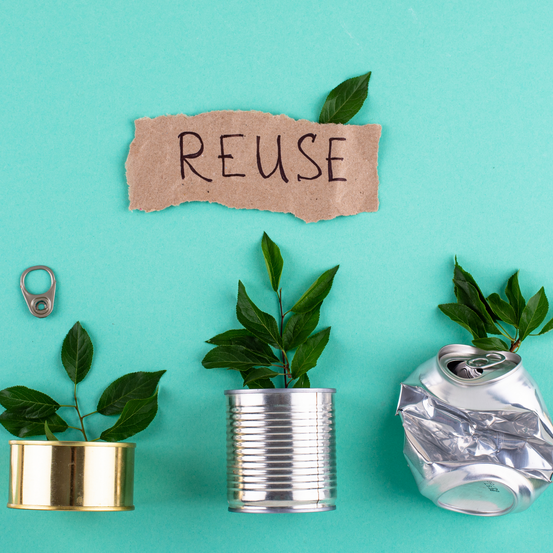
Spring is a great time to start thinking about a garden. From flowers and herbs to vegetables, growing plants is not only a fun activity but can also help you minimize waste and create something more beneficial for the environment. The idea behind zero-waste gardening is very simple. It implies making the most of the materials you have, recycling what is possible, composting and minimizing waste. In order to grow your own garden sustainably, there is no need to get rid of plastic nor purchase any special equipment. On the contrary, many household items may be turned into useful tools for gardening, which extends the product's lifespan.
Planning is Important
Before you start gardening, you should think about how much sunlight is in your area and whether certain plants are suitable for your climate. As a rule, native plants grow better because they are already adapted to local conditions and will require less water.
There are several plants that help others grow, protecting them from diseases. These are called companion plants. For example, marigolds will scare away some insects and improve the soil quality.
Some easy-to-grow plants are mint, rosemary, green onions, peppers, strawberries, and carrots.
Reuse Household Items
There are a lot of items in your house that you can use for gardening rather than throwing them away.
Such items include:
- yogurt cups as plant starters;
- egg cartons as seedling organizers;
- plastic containers to grow lettuce and strawberry starts;
- pie trays and jar lids to collect excessive water;
- glass jars and vases for propagating cuttings;
- Nursery pots to transplant your seedlings and share or organize plants;
- Cardboard boxes, paper bags, and even newspapers for mulch and weed barriers or in compost;
These items may prove to be very useful before being reused or recycled.
Compost, Mulch, and Save Water
Two of the best ways to minimize waste in the garden are composting and mulching.
Mulching with leaves, grass clippings, cardboard or plant materials allows you to retain moisture, stop weed growth, avoid soil erosion, and moderate temperature of the soil. Composting your kitchen and yard waste turns it into fertilizer and keeps organic waste out of the landfills. Learn more about composting here. To use water more rationally, you can collect rainwater, reuse water that you use to rinse fruits and vegetables, water your plants in the morning when there is no wind, use saucers to catch runoff.
Every Little Step Counts
If you reuse containers instead of purchasing new ones, recycle or compost waste and save water, you will be able to make a huge contribution to creating a healthy and sustainable environment.
|
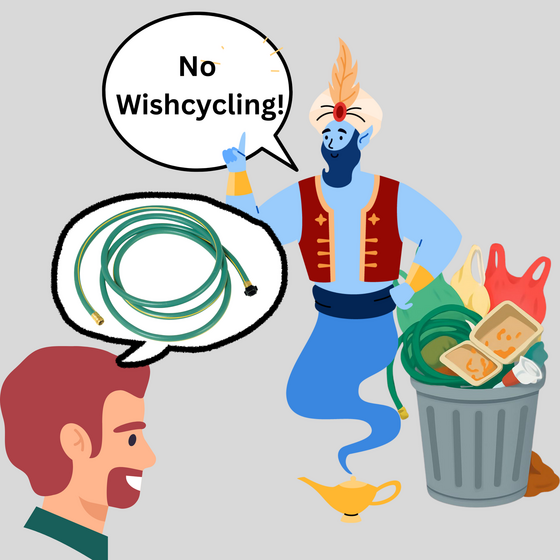
Wishcycling is the well-intentioned practice of placing items in the recycling bin in the hope that they can be recycled, even when their recyclability is uncertain. While the intention is positive, wishcycling can create significant problems for recycling facilities. Items such as plastic bags, garden hoses, food-contaminated containers, and other non-recyclable materials can jam sorting equipment, contaminate otherwise recyclable materials, and increase processing costs. When contamination levels become too high, entire loads of recyclables may be rejected and sent to the landfill. The best way to avoid wishcycling is to follow local recycling guidelines, Click Here, and, when in doubt, look up the item using the Waste Wizard!
|
|
|
|
|
|