| | Donald Trump says the US will escort ‘neutral’ ships out of Hormuz, Ukraine emerges as a global arms͏ ͏ ͏ ͏ ͏ ͏ |
| |  | Flagship |  |
| |
|
The World Today | 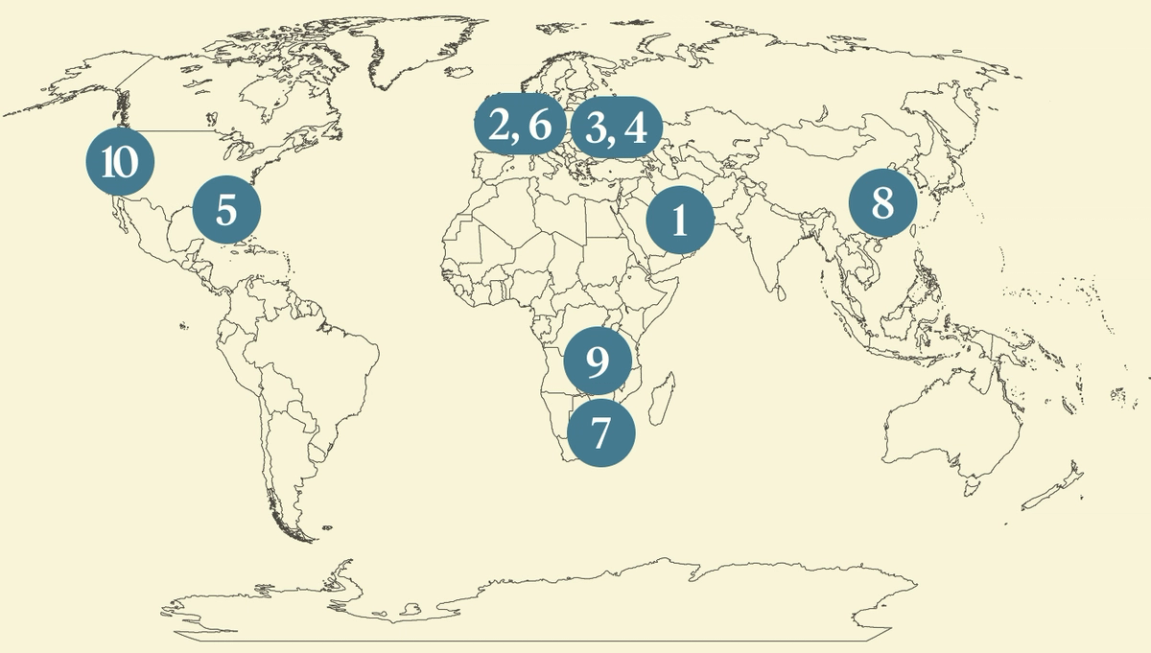 - Trump says US to guide ships
- Berlin minimizes US troop cut
- Kyiv becomes arms giant
- Future of warfare in Ukraine
- Why Spirit Airlines shuttered
- Macron future-proofs
- Taiwan leader gets to Eswatini
- China’s landmark AI ruling
- AI-driven copper mine
- An internet relic shuts down
 The “actual story” behind the world’s most prolific female serial killer. |
|
Trump says US to escort ‘neutral’ ships |
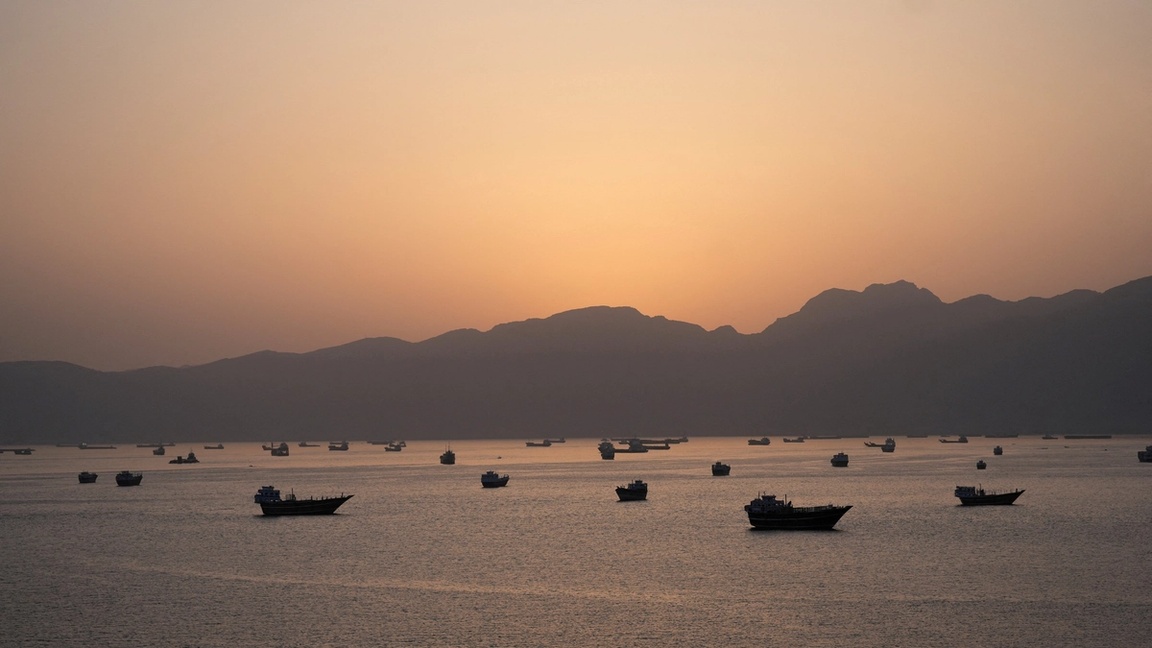 Stringer/Reuters Stringer/ReutersUS President Donald Trump on Sunday announced a new operation to escort “neutral” ships that are stuck in the Strait of Hormuz. “Project Freedom,” set to commence Monday, is aimed at assisting “innocent bystanders,” Trump said, without specifying which countries the effort would apply to. The directive came after Iran said the US responded to its latest peace proposal, which Trump had called unacceptable. Tehran’s plan would reportedly set a deadline for talks to reopen the waterway but put off negotiations over Iran’s nuclear program — which is seen as a nonstarter for Washington. “The political, economic, and even diplomatic aspects continue to get worse,” a Republican strategist said, as polls show Americans are dissatisfied with Trump’s leadership on the war. |
|
US troop cuts pose dilemma for Europe |
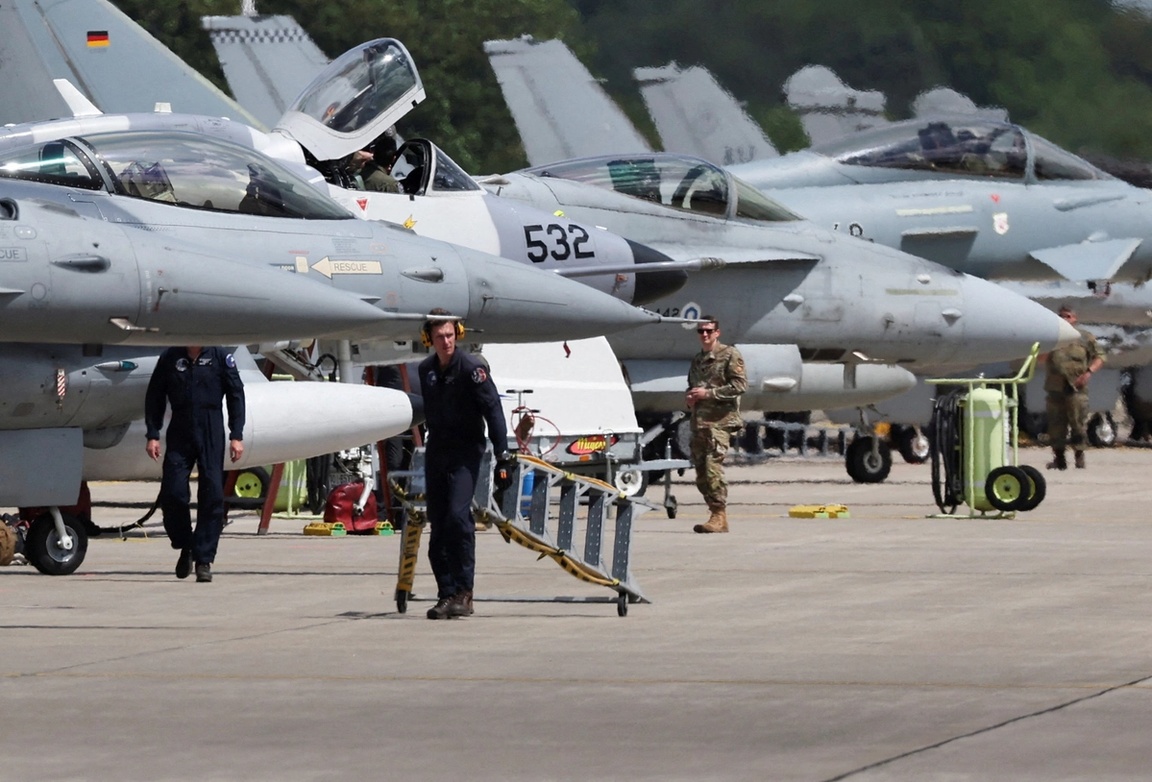 Thilo Schmuelgen/File Photo/Reuters Thilo Schmuelgen/File Photo/ReutersThe US’ planned withdrawal of 5,000 troops from Germany is symptomatic of a widening transatlantic rift that risks leaving Europe with drastic security gaps. Berlin looked to downplay the impact of the drawdown, announced Friday, though US President Donald Trump said Washington would cut troop numbers “a lot further.” The move escalates a dispute between Trump and Germany’s chancellor, who last week criticized the US’ war strategy. But it carries wider implications for Europe, where a continent-wide rearmament isn’t keeping up with Washington’s pullback; Trump said he is also weighing troop reductions in Italy and Spain. The US’ top diplomat is traveling to Rome this week, a trip that could signal a “thaw” in relations, an Italian outlet wrote. |
|
Kyiv grows its global security might |
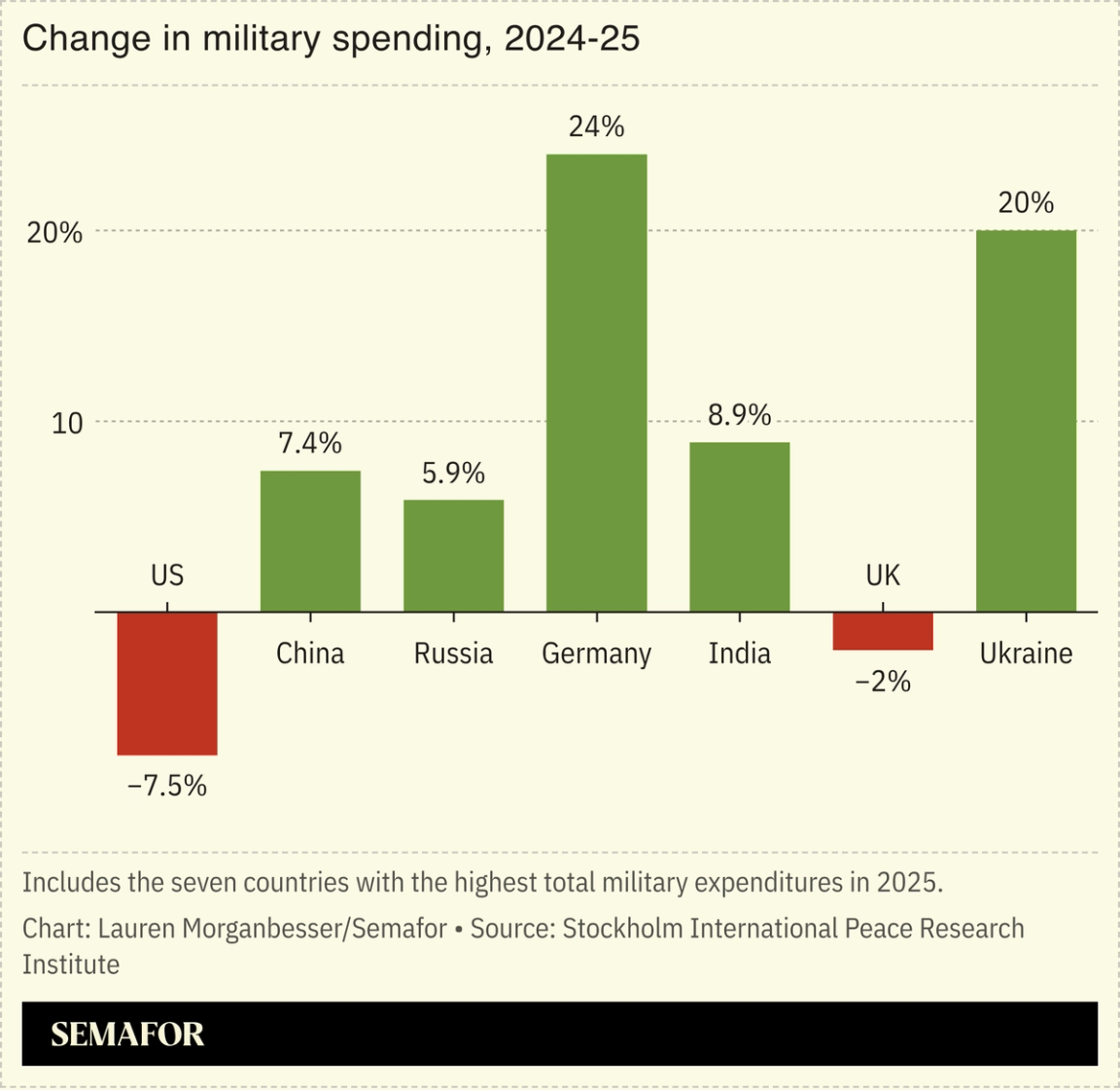 Ukraine is increasingly playing the role of global security provider — rather than recipient — as US allies question the extent of Washington’s security guarantees, experts said. Kyiv has become an arms powerhouse by building up its drone capabilities and bolstering defense partnerships that give it additional geopolitical leverage, an analyst argued in Persuasion. A New York Times columnist called Ukraine the new “leader of the free world.” While the Middle East conflict has established Ukraine as a military provider to Gulf states, it has compounded European anxiety over the US: Washington reportedly warned the UK, Poland, Lithuania, and Estonia to expect delays of US weapons shipments because of depleted stockpiles from the Iran war. |
|
Ukraine drone team shows warfare’s future |
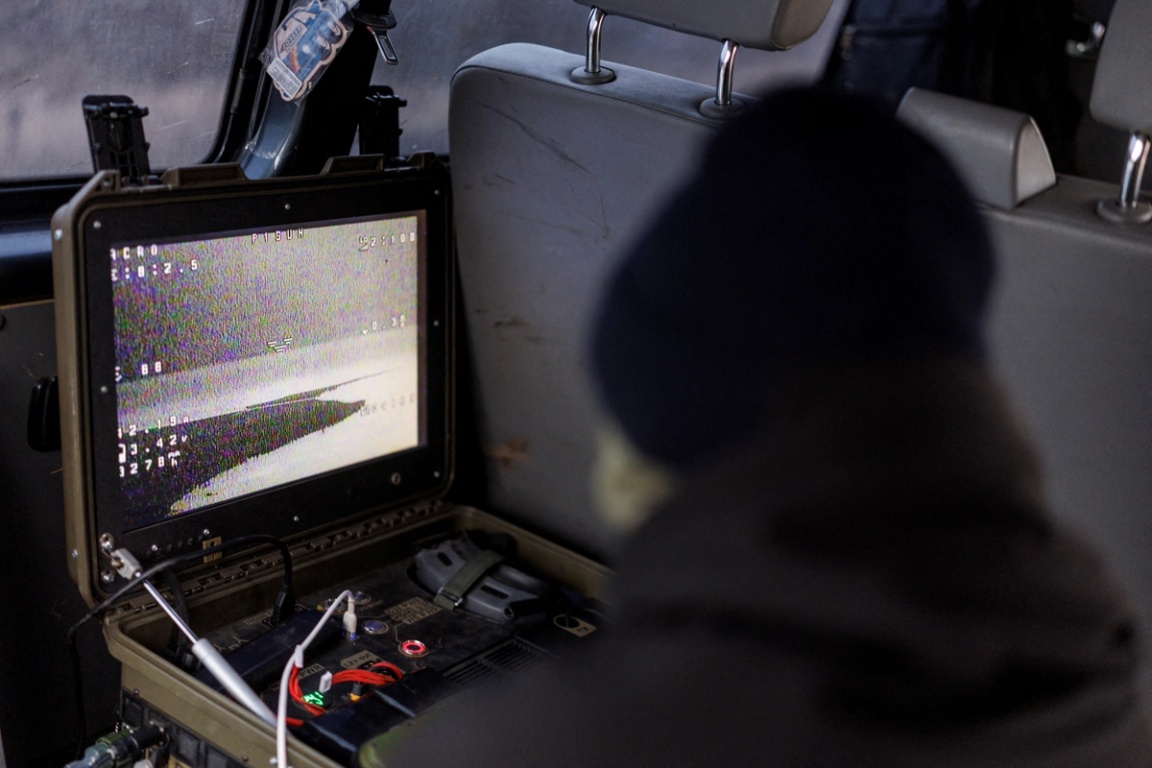 Valentyn Ogirenko/File Photo/Reuters Valentyn Ogirenko/File Photo/ReutersAn all-women drone unit on Ukraine’s eastern front utilizes cheap drones to target Russian forces, reflecting a shift in modern warfare. From underground bunkers, the team navigates small, explosive drones deep into Russian-held territory. The unit is led by 25-year-old commander Yana Zalevska: “You could say I am fighting two wars,” she told the Financial Times. “One against the f*cking Russians, and one inside myself.” Zalevska’s story reflects how women make up a growing share of Ukraine’s military — more than 75,000 serve — as well as the outsized impact of drones in Ukraine’s defense: What once required advanced airpower is now executed by small teams operating low-cost tools, turning the battlefield into a contest of remote precision. |
|
Spirit closure reflects airlines’ woes |
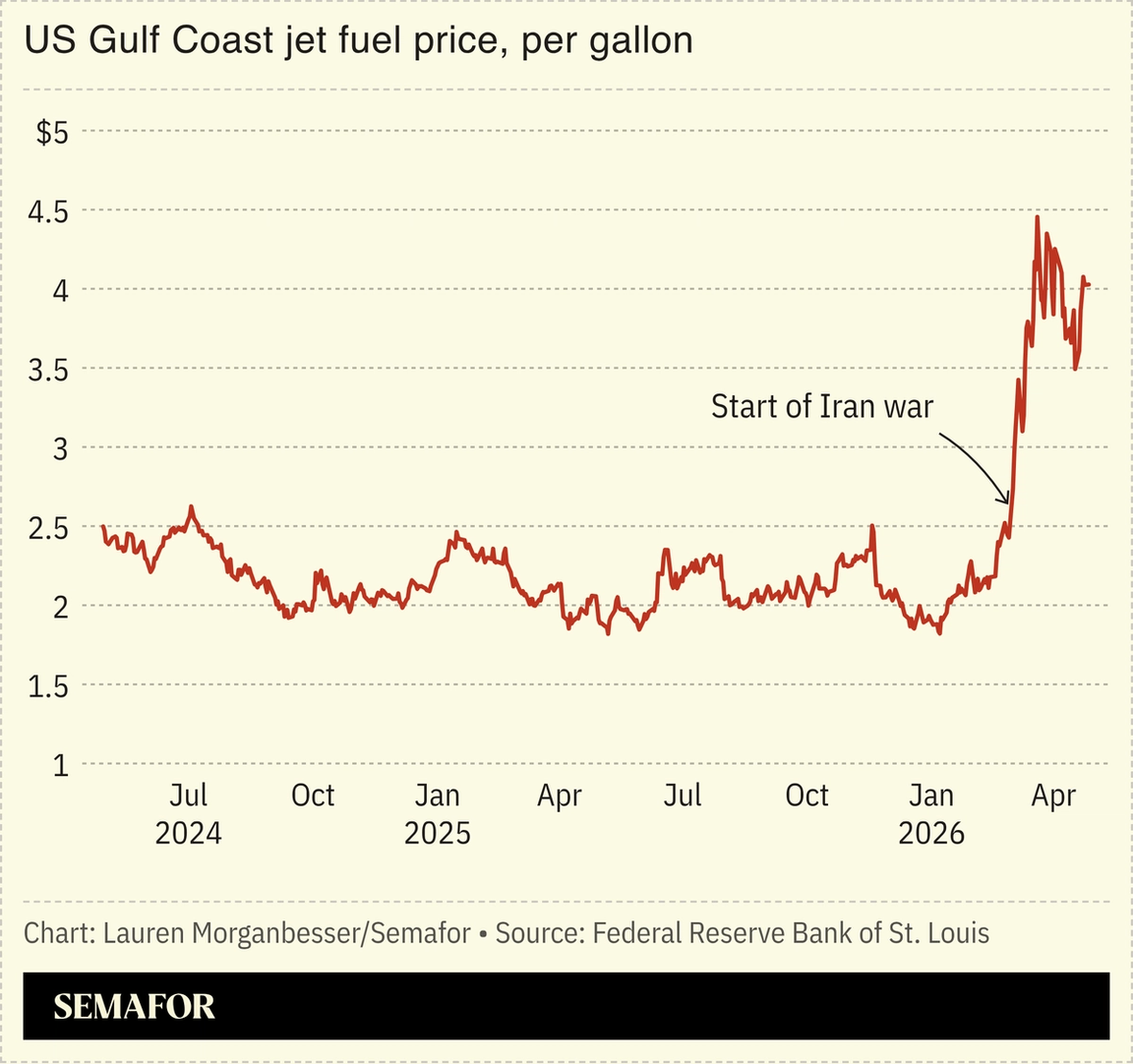 The demise of American budget carrier Spirit Airlines reflects how the jet fuel crisis stemming from the Iran war is imperiling the global travel industry, analysts said. The company abruptly shut down on Saturday after talks for a government bailout fell apart, stranding passengers and leaving 17,000 people out of jobs. A group of holdout creditors doomed the bailout deal, Semafor reported. Spirit had hoped to morph into a smaller operation this summer, but those plans were complicated as jet fuel prices spiked. Airlines around the world are cutting flights and profit outlooks, putting disproportionate pressure on smaller carriers that cannot easily pass on costs to travelers. “A reordering of the industry looms,” The Wall Street Journal wrote. |
|
Macron hedges against hard right |
 Aurelien Morissard/Pool via Reuters Aurelien Morissard/Pool via ReutersFrench President Emmanuel Macron is trying to future-proof the country against a possible populist win in next year’s election. Macron, in office since 2017, cannot stand again. The hard-right National Rally is leading the polls. Macron has named new heads of key institutions, including the armed forces and the Constitutional Council, and the central bank governor will step down early so Macron can appoint a successor. The French presidency is powerful, The Economist noted, and Macron is concerned that the next incumbent could make sweeping changes to the constitution, perhaps using emergency powers. National Rally leader Marine Le Pen has railed against the “tyranny of the judges,” although the party denies anti-democratic intent and has protested against Macron’s moves. |
|
Taiwan’s president gets to Eswatini |
 Taiwan Presidential Office/Handout via Reuters Taiwan Presidential Office/Handout via ReutersTaiwan’s president made it to Eswatini, much to Beijing’s chagrin. The island’s leader, Lai Ching-te, had planned to visit his lone African ally last month but said he canceled his trip because China had pressured neighboring countries to close their airspace. Berlin and Prague also reportedly denied Taiwan’s requests to transit through Europe. But on Saturday, Lai announced he was in Eswatini following a clandestine, unspecified maneuver. Taiwan, which China views as a breakaway province, is determined to “not let Beijing have a de facto veto” over its international presence, an Atlantic Council scholar said. China has looked to expand its influence across Africa and on Friday scored a soft-power win by eliminating tariffs for the whole continent — except Eswatini. |
|
 He went from selling his own plasma to running a YouTube channel with over 7 million subscribers. Johnny Harris, YouTube creator and Newpress co-founder, joins this week’s Mixed Signals to talk about how he built a sustainable business around difficult topics without chasing the outrage that drives so much attention online, and why millions of people are obsessed with longform video explainers. Listen to the latest Mixed Signals now. |
|
Chinese court says AI no excuse for firings |
 Go Nakamura/Reuters Go Nakamura/ReutersA Chinese court ruled that companies can’t use AI as a justification for getting rid of employees. The ruling last week sided with a tech worker who was fired after refusing to accept a demotion when his job was automated by AI. The decision, which legal scholars said is a landmark moment for labor protections in China, comes as Beijing looks to balance its support for AI innovation with job market challenges. The Chinese public has been seen as relatively open to the technology, but a wave of AI-driven anxiety has emerged, centered around its potential to displace workers, experts say. One state media commentator warned that employees shouldn’t become “fish on a chopping block.” |
|
AI-driven copper mine breaks ground |
 Workers in Zambia’s Konkola copper mine. Stringer/File Photo/Reuters Workers in Zambia’s Konkola copper mine. Stringer/File Photo/ReutersWork began on a $2.3 billion copper mine in Zambia backed by tech billionaires including Bill Gates and Sam Altman. The Mingomba mine will be among the largest copper mines in the world and will eventually produce 300,000 tons of copper a year. AI is involved in every level of the project: The demand for copper is being driven up by data center construction and the need to diversify global supply chains away from China. KoBold, the Silicon Valley-based company that will run Mingomba, used AI to help find a previously unknown concentrated copper ore deposit on the site. The lode is more than a mile underground, and the area is prone to flooding, making the project challenging. |
|
|


