Happy World Water Day! Although it’s not taking place until March 22, I always like to get ahead of it.
On today’s special, we’ll be taking a look at the various institutions that are trying to safeguard water protections, especially in light of the United Nations’ recent report that warned of irreversible water "bankruptcy".
We’ll start with the plea from European Union leaders who called for a moratorium on military strikes on energy and water facilities in the Middle East, amid growing concerns about the impact of the conflict on the global economy. Then we’ll take a look at a report from the WWF showing how the world’s wetlands are facing damage from pollution, invasive species, over-harvesting, the climate crisis, and more. Then we’ll check out the intersection between water and gender as a report from the global non-profit World Vision showed the impact the lack of access to clean water has on women and girls. Plus, the Alliance for Water Stewardship published new standards that will give companies a framework to manage growing water risks and disclosure demands.
And finally, we’ll take a look at how a United Nations scientist who was once branded a “water terrorist” by Iran has won the 2026 Stockholm Water Prize, the world’s top water award – the “Nobel Prize of Water”. |
|
|
1. EU leaders’ plea for no strikes against energy and water facilities in the Middle East |
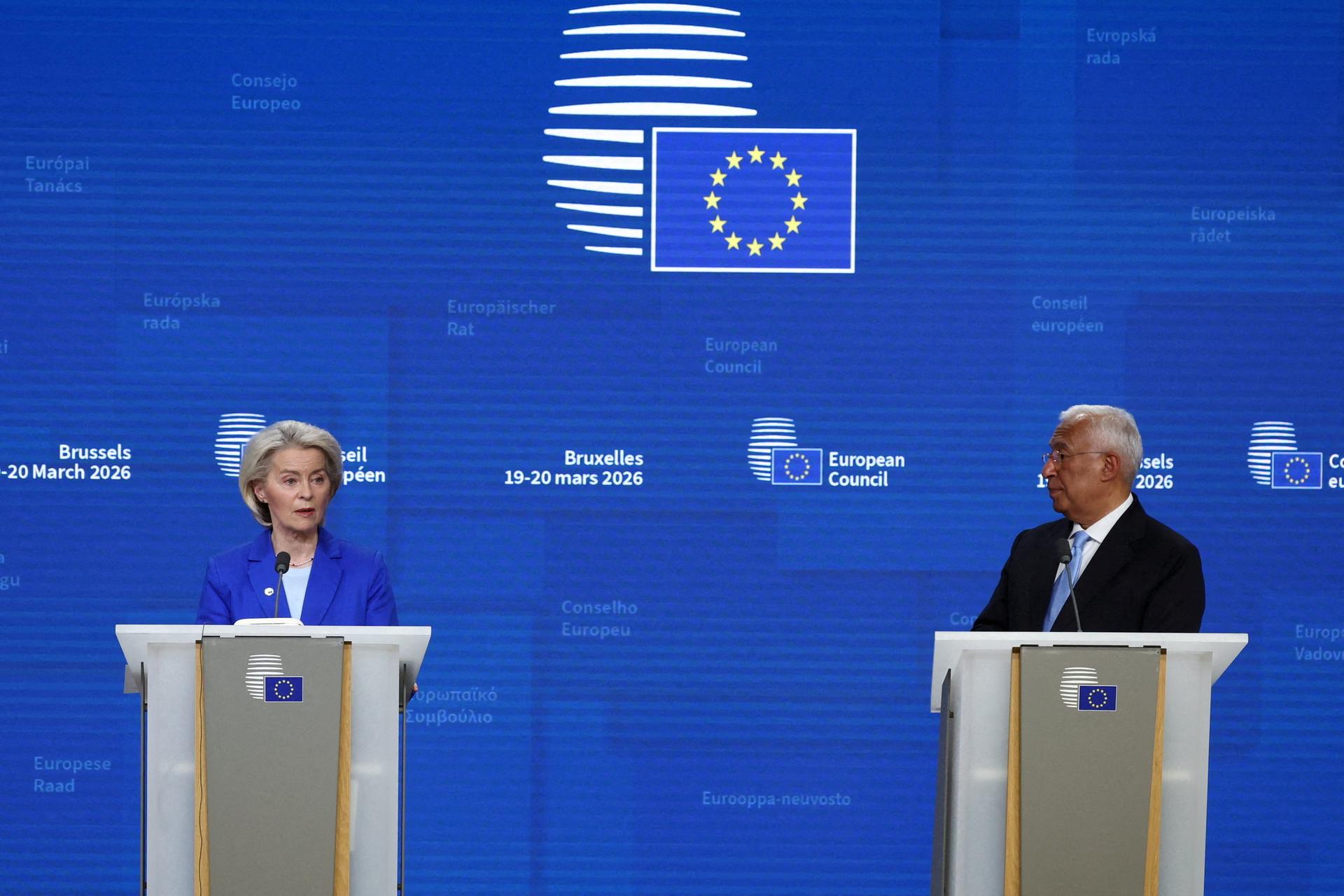
"The European Council calls for de-escalation and maximum restraint, the protection of civilians and civilian infrastructure and full respect of international law by all parties," the leaders of the EU's 27 countries said in written conclusions of a summit in Brussels. "In this regard, it calls for a moratorium on strikes against energy and water facilities," they said. Click here for the Reuters story.
|
President of the European Council Antonio Costa and European Commission President Ursula von der Leyen at the EU leaders' summit. Brussels, Belgium. REUTERS/Yves Herman |
2. The world’s wetlands are under threat, WWF report says |
The world’s wetlands are vanishing quickly, with a third lost since 1970 and freshwater wildlife collapsing by 85%, a new WWF report warns.
The global wildlife conservation organization says governments and companies must rapidly scale up river and wetland restoration to secure water supplies, curb flood risks, and protect economies as climate pressures intensify. Click here for the external link to the full report. |
3. Women bear the brunt of water shortages, World Vision says
|
Women and girls face the steepest costs of water scarcity, with one in 11 people globally lacking clean water and long daily journeys deepening economic and health inequalities, World Vision said. I spoke to Aaron Tanner, climate adaptation advisor at World Vision Middle East and Eastern Europe, who shared his thoughts on water inequality in places like Lebanon.
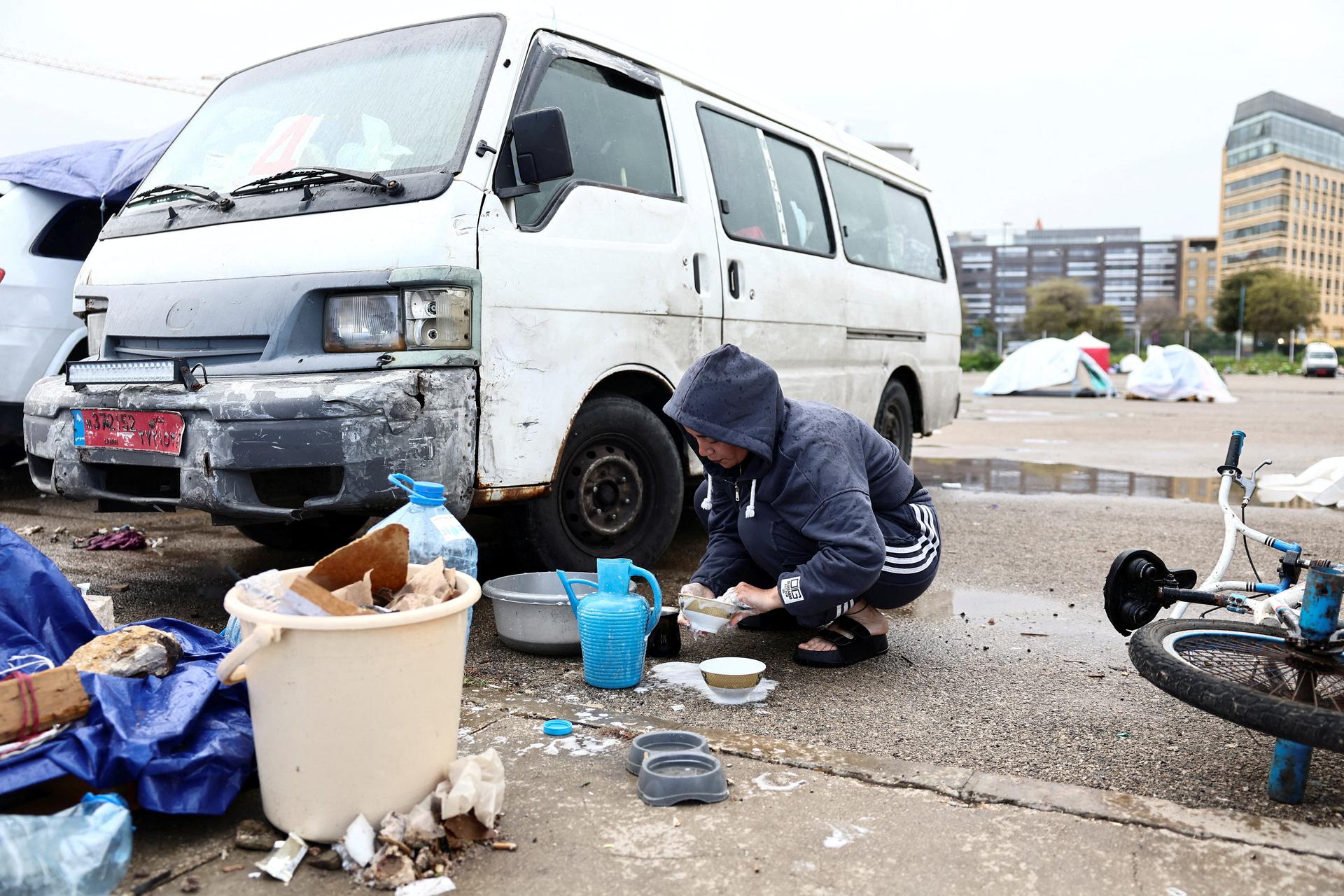
“The rapid escalation of violence in Lebanon has forced women from their homes and care structures into overcrowded schools and shelters where water is rationed, and bathrooms and hygiene become increasingly challenging,” said Tanner.
Tanner also said displaced women and children often arrive with pre‑existing health conditions or disabilities, leaving older women, pregnant women, and mothers of young children facing distinct challenges in maintaining basic hygiene.
“Access and resources are limited, and these conditions may lead some to limit water intake, delay washing or hygiene activities, or quietly bear the health and caregiving burdens bestowed upon them and struggle to achieve," he added. Click here for the World Vision report. |
Samah Hjola, 33, displaced from Beirut's southern suburbs following an escalation between Hezbollah and Israel. Beirut, Lebanon. REUTERS/Yara Nardi |
4. Alliance for Water Stewardship’s new water risk standards |
Companies face soaring water‑related risks as droughts, floods, and pollution disrupt supply chains worldwide, prompting the Alliance for Water Stewardship to launch a tougher set of its global standard. The new framework aims to help firms meet rising disclosure rules and prove credible water stewardship as regulators tighten scrutiny from Europe to the UK. Click here to learn more about the Alliance.
|
5. From exile to the “Nobel Prize of Water” |
I figured I’d end today’s top water stories with a tale of redemption. Professor Kaveh Madani, Director of the United Nations University Institute for Water, Environment and Health, has been awarded the 2026 Stockholm Water Prize, often called the “Nobel Prize of Water.” He is the youngest laureate in the prize’s 35‑year history, the first U.N. official, and the first former politician to be honoured.
After returning to Iran in 2017 to take a senior government role, Madani was targeted by hardliners, labelled a “water terrorist,” arrested and interrogated, and ultimately forced into exile. But he has rebuilt his career and became a key U.N. diplomat advocating for water’s centrality in global climate and security policy. Click here for the full U.N. report. |
|
|
Malawi’s government said on Thursday that at least 13 people have died after four days of heavy rain and flooding across the donor-dependent southern African country. Click here for the Reuters video. |
|
|
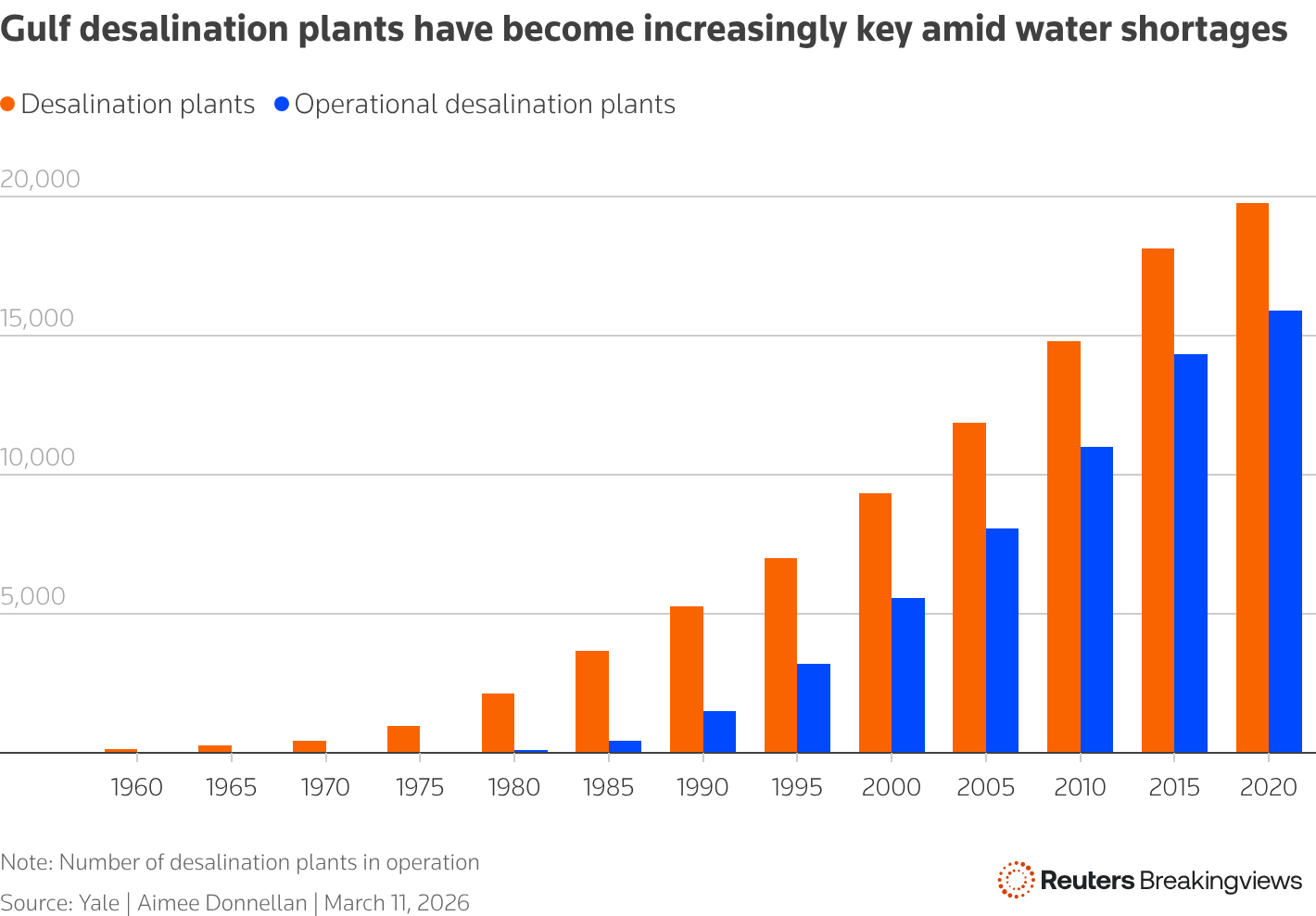
Sticking with today’s top story on the EU leaders’ moratorium against targeting water and energy facilities in the Middle East, Breakingviews’ Aimee Donnellan writes about Gulf states being particularly vulnerable to the bombing of desalination plants. Click here for the full paywalled comment. |
|
|
That’s how much more expensive bottled water in India is due to the conflict in the Middle East, after prices of plastic bottles and caps surged. Click here for the Reuters story. |
|
|
Sustainable Switch Climate Focus was edited by Tomasz Janowski. |
|
|
|