| | Iran’s attacks on Gulf energy sites reshape regional diplomacy, Takaichi faces a tricky balancing ac͏ ͏ ͏ ͏ ͏ ͏ |
| |  | Flagship |  |
| |
|
The World Today | 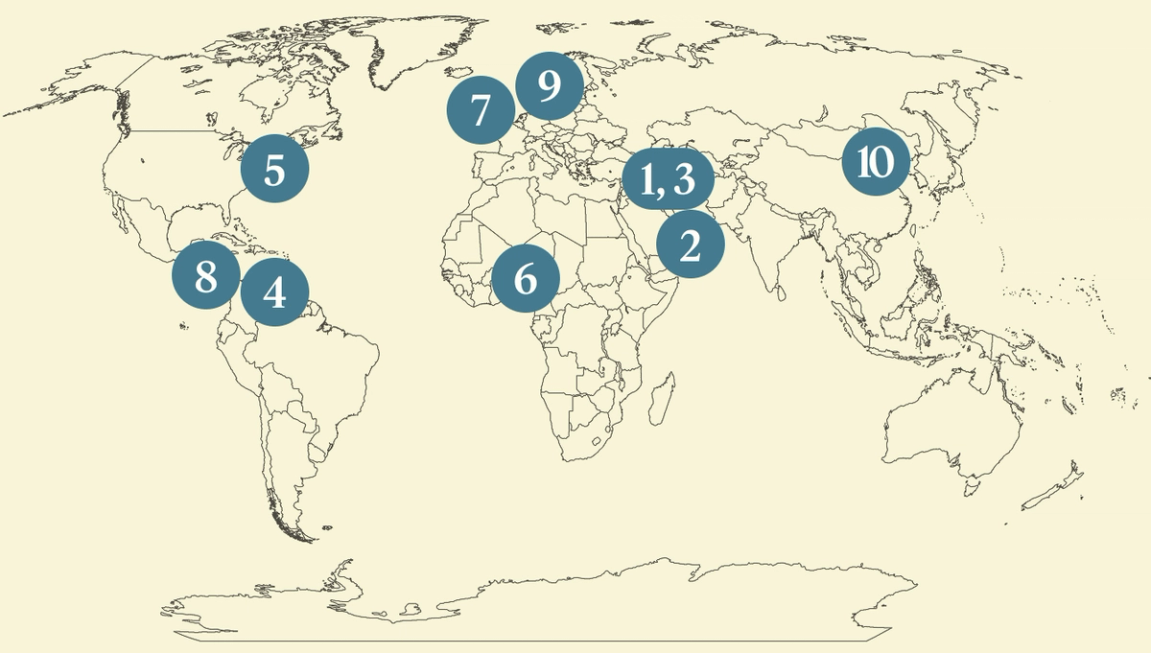 - Iran strikes energy sites
- War reshapes Gulf relations
- Iran’s hardliners coalesce
- Venezuela oil output up
- Takaichi’s highwire US visit
- Nigeria’s Tinubu in UK
- Finance firms’ AI job cuts
- World happiness rankings
- Ozempic becoming generic
- Labubu doll film planned
 A Paris exhibit from US photographer Nan Goldin that is ‘difficult to dislodge from the mind.’ |
|
Iran strikes Gulf energy sites |
|
Iran war reshapes Gulf diplomacy |
 Stringer/Reuters Stringer/ReutersIran’s attacks on Gulf nations are driving a wedge between Tehran and its neighbors. Qatar expelled Iranian diplomats in the wake of attacks on its energy facilities, and Saudi Arabia, also hit by Iran, warned that its “patience… is not unlimited” and that it would defend itself if strikes continued. Gulf nations are afraid that if the Iranian regime survives, it could hold global energy supplies hostage at will, even if militarily weakened. Iran has sought to exert pressure on the US by hitting its allies in the Gulf, but a senior UAE official warned that Iranian aggression would “strengthen the Israeli role” in the region, forcing capitals to cooperate more with Israel. |
|
Iran’s hardliners coalesce |
|
US seeks to boost Venezuela oil outputs |
 Leonardo Fernandez Viloria/File Photo/Reuters Leonardo Fernandez Viloria/File Photo/ReutersWashington will allow US companies to do business with Venezuela’s state-owned oil company, a move aimed at boosting production in the country as prices soar due to the war in Iran. Oil output in Venezuela — which has the world’s biggest stated crude reserves — has jumped since the US ousted former leader Nicolás Maduro and replaced him with a Washington-friendly figure. The economic gains have not translated into better living conditions for most Venezuelans: Annual inflation accelerated to 600% last month and the bolivar continued to depreciate. Still, Washington’s custodianship has loosened the grip of hardliners. On Wednesday, interim President Delcy Rodríguez ousted the country’s feared defense minister, accused of overseeing mass repression. |
|
Japan PM’s highwire US visit |
 Evelyn Hockstein/File Photo/Reuters Evelyn Hockstein/File Photo/ReutersJapan’s Prime Minister Sanae Takaichi meets with US President Donald Trump in Washington today, and must strike a balance between improving trade ties and easing tensions over the Iran war. The pair had a bonhomie-filled meeting last fall, but Takaichi has since refused to send Japanese ships to help unblock the Strait of Hormuz — Japan’s minesweeping vessels are among the best in the world — despite Trump’s requests. Japan is dependent on US trade, but wants an end to the conflict in Iran to bring down energy costs, a Council on Foreign Relations analyst noted: Takaichi must walk a tightrope between “[conveying] her country’s desire for peace while demonstrating to a skeptical President Trump the value of the US-Japan alliance.” |
|
Nigeria eyes boosted UK trade ties |
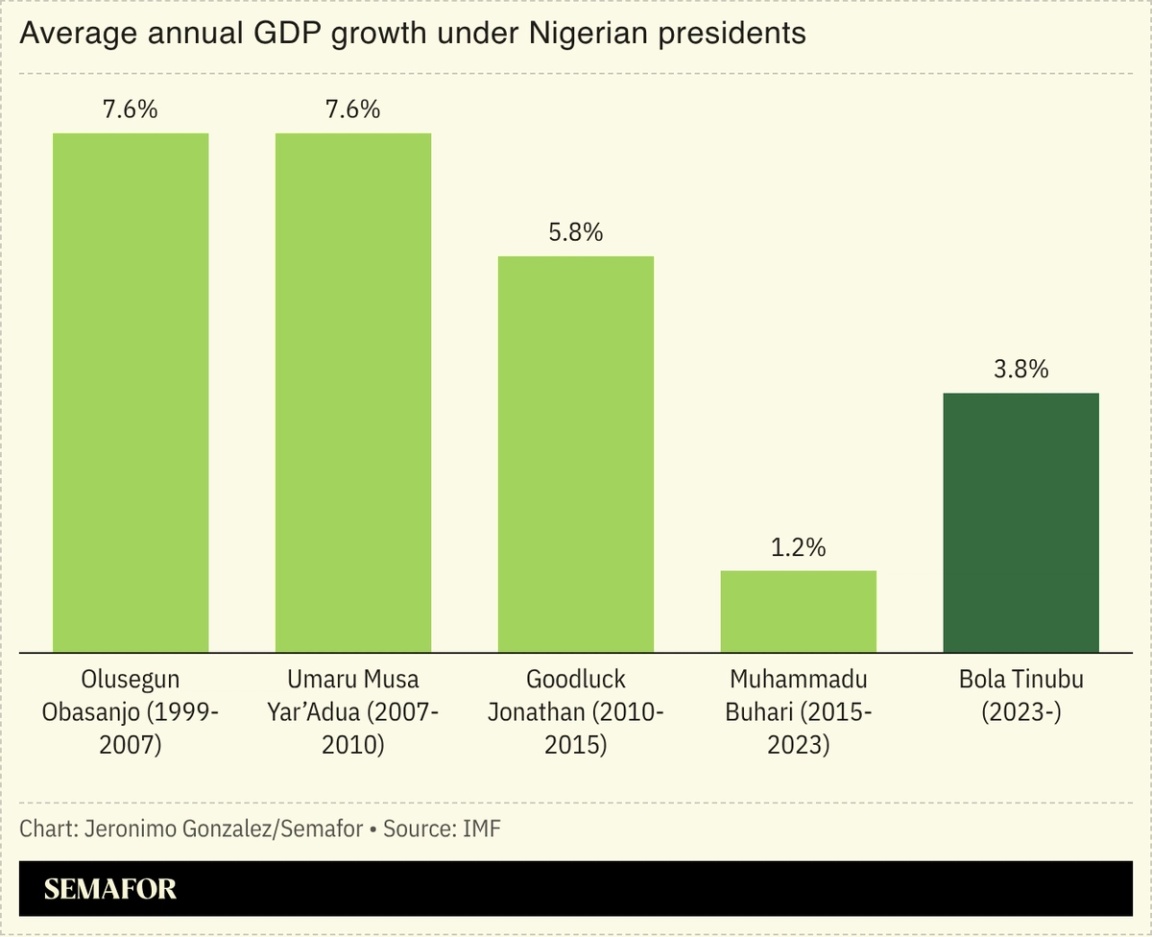 Nigerian President Bola Tinubu kicked off an official visit to the UK seeking closer trade ties to strengthen his country’s economy, hit by the war in Iran and facing the threat of US tariffs. Since becoming president in 2023, Tinubu has overseen a remarkable turnaround of Africa’s fourth-biggest economy: Annual inflation has cooled to around 15% from a peak of almost 35%, while government coffers have been boosted by the cut of a costly fuel subsidy. However, tariff threats from the US — Nigeria’s third-largest export market — and inflationary pressures caused by the war in Iran risk hindering that progress. “At a time like this, everybody would be cautious about the impact of the existing situation,” the governor of Nigeria’s central bank said. |
|
PwC issues AI staff warning |
 Clodagh Kilcoyne/Reuters Clodagh Kilcoyne/ReutersThe US boss of accountancy giant PwC said that even senior staff who resist the use of AI are “not going to be here that long.” Like many other consultancy firms, PwC faces major disruption from AI: Its traditional bill-by-the-hour model, which sees thousands of junior staff doing routine work, will likely change as the technology automates many tasks and clients potentially bring services in-house. PwC is retraining staff in AI and launching AI tools; its Big Four rivals are doing likewise. The financial industry more broadly faces changes. HSBC is mulling major AI-driven job cuts, Bloomberg reported, as is the Finnish bank Nordea, following similar moves by Goldman Sachs, ING, and the Commonwealth Bank of Australia. |
|
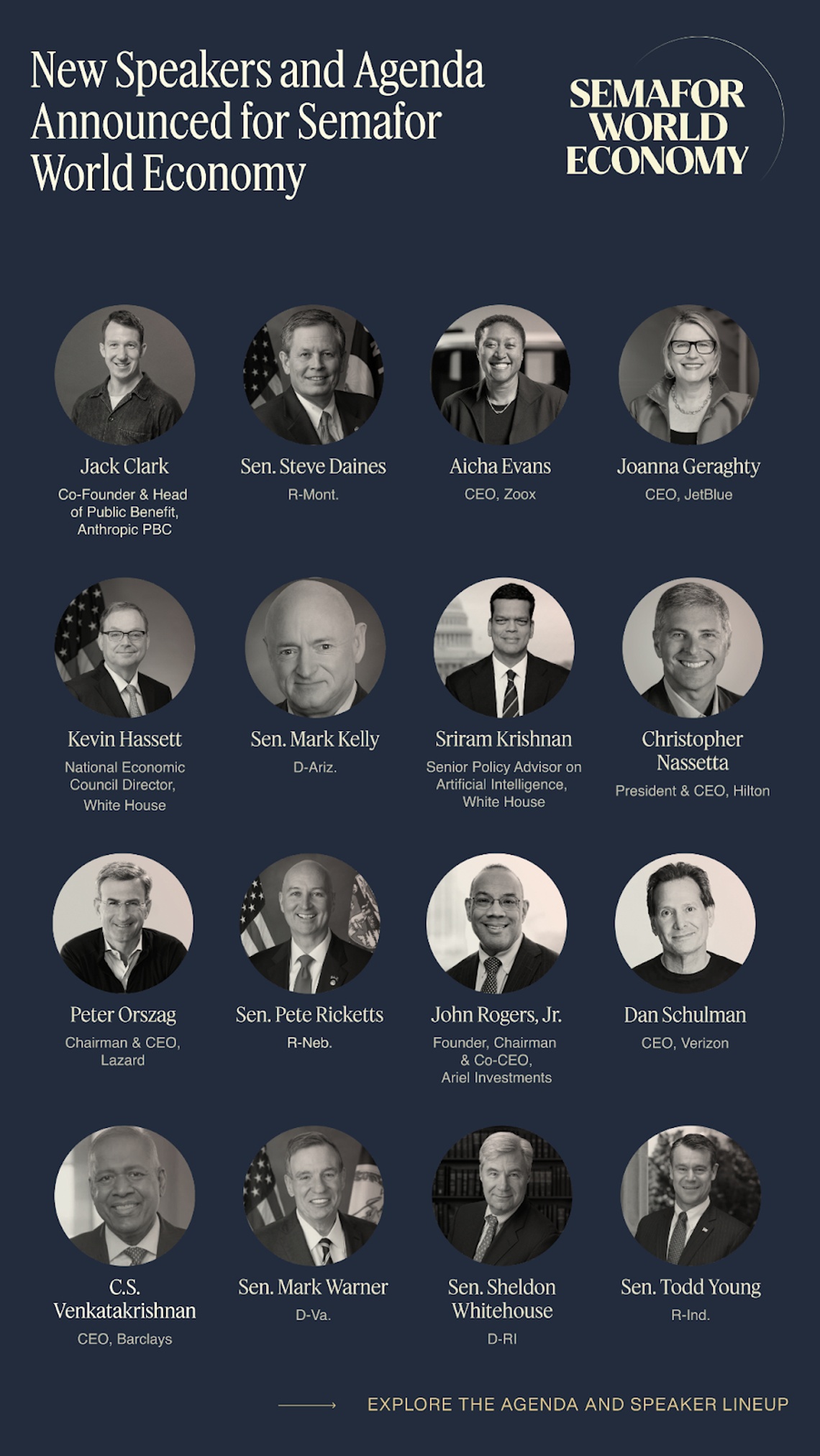 Semafor has announced the agenda and a new slate of CEOs and global leaders joining more than 450 top executives at this year’s edition of the Semafor World Economy, taking place from Apr. 13 to 17 in Washington, DC. As the definitive live journalism platform on the new economy, the convening will bring together US Cabinet secretaries, central bank governors, finance ministers, and Fortune 500 CEOs for five days of on-stage conversations and in-depth interviews uniting private and public sector leaders to exchange ideas that will shape the future of the world economy. |
|
Costa Rica makes happiness index |
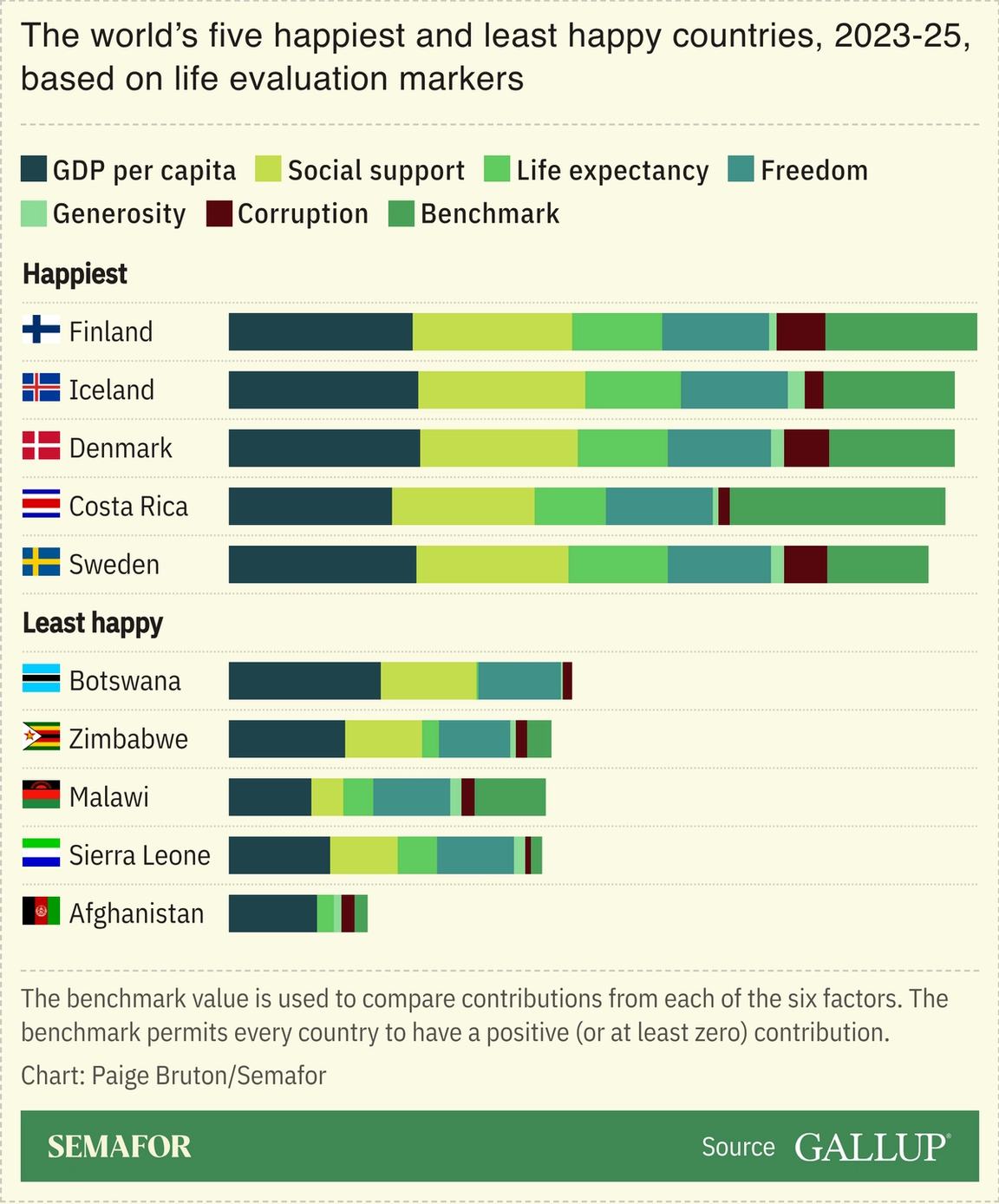 The happiest places in the world are no longer exclusively high-income Western countries. The latest Gallup World Happiness Report revealed some familiar findings — Nordic countries remain content, with Finland at the top, and Iceland, Denmark, Sweden, and Norway in four of the next five spots. But Costa Rica is in fourth, the highest ever ranking for a Latin American country. Most nations report higher wellbeing than 20 years ago, especially among the young — it is most notable in central and eastern Europe — but some English-speaking countries, notably Australia, Canada, New Zealand, and the US, saw youth happiness decline, as did western Europe. |
|
Weight-loss drug to be offered as generic |
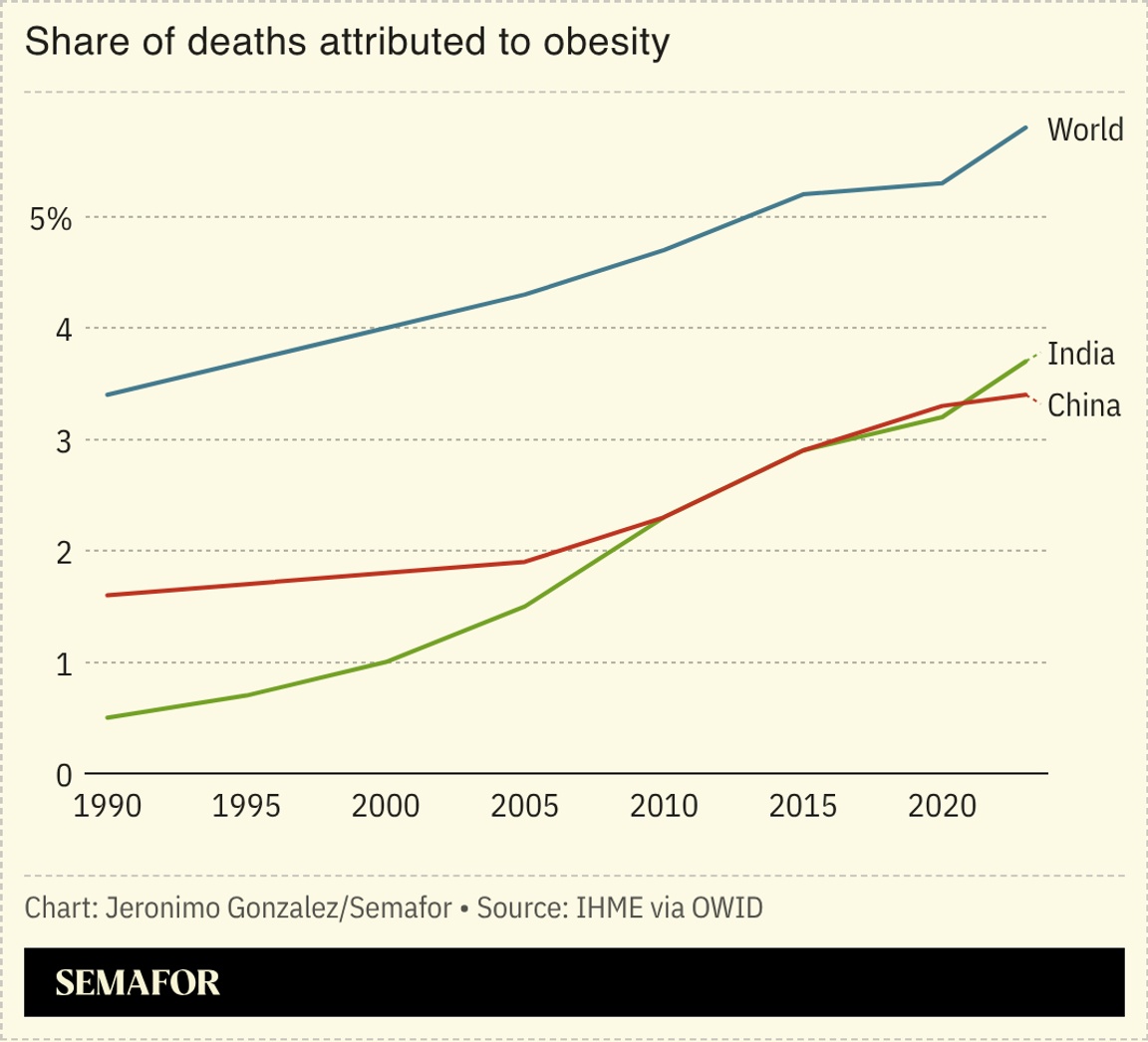 Semaglutide, the weight-loss and diabetes drug better known as Ozempic and Wegovy, will soon be available in generic form for 40% of the world’s population. The widely popular medication briefly made manufacturer Novo Nordisk Europe’s most valuable firm. Pharma regulations in China, India, Turkey, and elsewhere mean that Novo’s patent, and thus its monopoly, expires Saturday, and manufacturers are racing to produce low-cost versions. It is bad news for Novo, but good news for patients: A course of Wegovy costs hundreds of dollars a month; that figure could drop to $15, The New York Times reported. India and China are home to 800 million overweight adults and 360 million with diabetes. The drug’s US patent expires in the 2030s. |
|
|


