The Arctic Frontiers Conference, deadly architecture and Helsinki’s finest art deco pool.
|
Monday 2/2/26
|

|
|
London
Paris
Zürich
Milan
Bangkok
Tokyo
Toronto
|
|
|
|

Good morning. Today our team is headed for Dubai and the World Governments Summit – more to follow online and on Monocle Radio throughout the week. Here’s what’s coming up in today’s Monocle Minute:
THE OPINION: The US is playing into China’s hands
DIPLOMACY: Arctic Frontiers Conference comes at critical juncture
DAILY TREAT: Take a dip in Helsinki’s finest art deco pool
FROM MONOCLE.COM: The perfect architecture for serial killers and satanists
|
|
Trump’s blundering smartphone diplomacy is pushing US allies into the arms of Beijing
By Alexis Self
|

|
At what point does short-term gain become long-term disadvantage? It’s an important question for both individuals and nations to ask themselves, and one that I’ve been thinking about since returning a week ago from Greenland (where a Monocle team was reporting on the crisis over the island’s sovereignty).
In several ways, the farrago over Greenland typified this age of smartphone diplomacy, in which our capacity to think far ahead of the present moment is under 24-hour, synapse-shredding assault. High-level negotiations used to be conducted in person, by letter or via phone calls – and mostly behind closed doors. As such, civility and careful persuasion were the most effective tools for getting what one wanted. Now, when so much of it is done in front of billions, nuance is almost impossible. And we, as observers, aren’t blameless: just over a week after the threat of war over Greenland subsided, how many of us are already craving the next dopamine hit? Could it come from the US armada heading towards Iran? Tune in next week to find out.
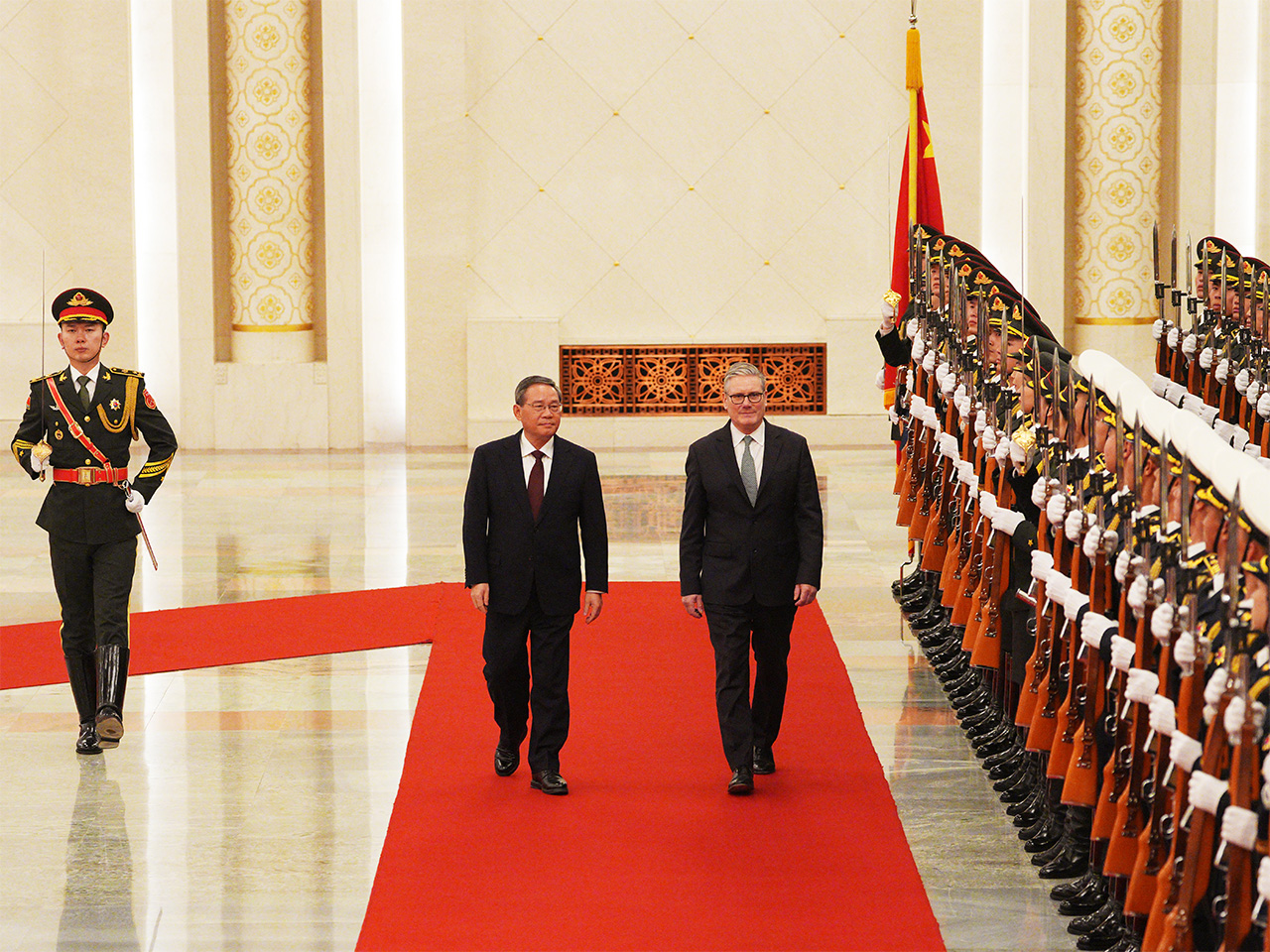
Friend zone: Chinese premier Li Qiang (left) and UK prime minister Keir Starmer
Current US foreign policy might be successful in keeping the world on the edge of its seat and ratings (or at least “impressions”) sky-high – but the result will ultimately be a waning of American hegemony. Already, erstwhile allies are moving to decouple from the unpredictable giant. As Trump was threatening to annex Greenland, Germany’s chancellor, Friedrich Merz, whose country is home to several of America’s largest overseas military bases, was gearing up for his first official visit to China later this month. Last week the UK prime minister, traditionally seen as the US president’s closest fellow leader, was also inspecting a guard of honour in the Great Hall of the People. China is openly recognised as the number-one challenger to US pre-eminence so why is Trump working day and night to push the rest of the world into its arms?
And so, to the matter of Greenland. In the past, the US would have recognised that the best way to achieve its objectives was through the soft power of its culture and economic might. United Airlines recently began the first non-stop commercial flight between the territory and the US. Though only six months’ old, the summertime bi-weekly Newark to Nuuk route was already encouraging an exchange of understanding (and greenbacks) that would have done much to win Greenlanders round to the US. Most of the business owners who I spoke to in Nuuk said that while they hated America’s government, they liked its tourists. Unfortunately, it is with the US government that Greenland’s leaders will be renegotiating the 1951 defence agreement that governs the territory. As every bully in history could have told Trump, intimidation might quickly gain you acquiescence but it will cost you goodwill in the end.
A failure by those leading the world to look beyond their social-media feeds is fuelling our collective dizziness. It’s also why Mark Carney’s speech at Davos was so good. Besides being well written and delivered, it articulated a far-sighted vision for the world, while refusing to shy away from hard truths. The gratefulness with which it has been received around the world and across the political spectrum shows how many of us are craving this kind of thinking.
At Monocle, we try to cultivate a similarly digested and non-hysterical view. It can be seen in our coverage of business, culture, design, fashion, travel, hospitality and, yes, global politics. While in the Greenlandic capital, rather than merely doing live hits with snowy backdrops, we spoke to locals about their culture, their businesses and also (because we had to) their views of Donald Trump. After the inevitable rolling-on of the media circus, it is these impressions that remain – and these people, who will hopefully define the future of Greenland.
Alexis Self is Monocle’s foreign editor. For more about how Mark Carney’s speech stole the show in Davos, click here.
|
|
HITACHI ENERGY  MONOCLE MONOCLE
|
|
diplomacy: Tromsø, Norway
Arctic Frontiers Conference highlights crucial need for co-operation in the High North
We have witnessed the end of Arctic exceptionalism – the idea that the region should be exempt from broader geopolitical conflicts, that its governance should be built on consensus and that science should be put first (writes Lars Bevanger). For almost two decades, this approach has underpinned the annual Arctic Frontiers Conference. Some of the High North’s top decision-makers, scientists and representatives from Indigenous peoples will meet in Tromsø this week to talk shop at its latest iteration.
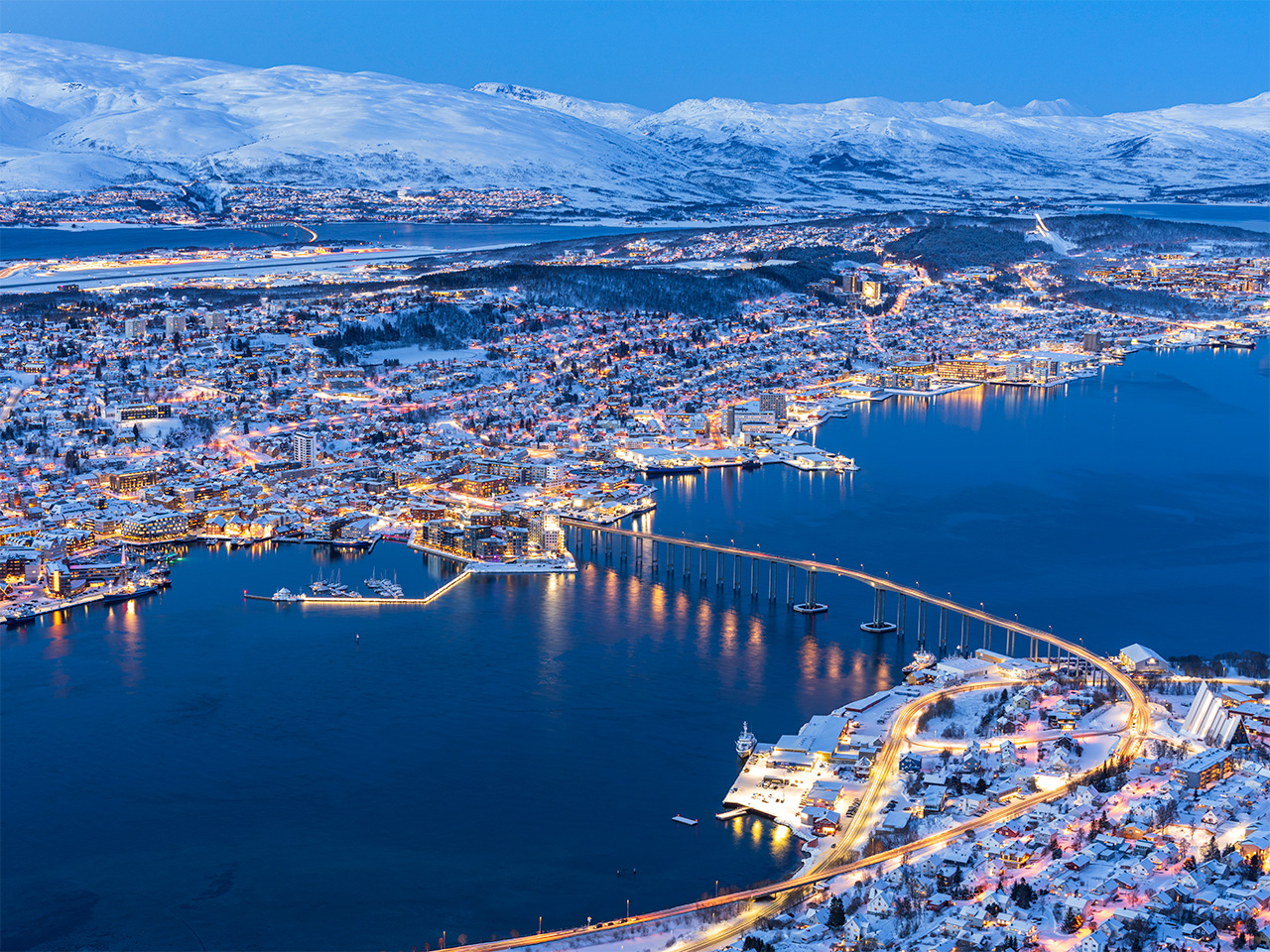
Building bridges: Tromsø plays host to the Arctic Frontiers Conference
As always, the aim of the conference is “to build partnerships for the sustainable development of the region”. That goal might sound out of reach in today’s fractious geopolitical context: Russia, by far the largest Arctic nation, has been absent from proceedings since its full-scale invasion of Ukraine and there is no serious political input from a US administration that views the region as a military and energy-security asset. So when the biggest powers stay at home, why do the likes of the European Commission’s vice-president, Kaja Kallas, Canada’s governor-general, Mary Simon, and Greenland’s foreign minister, Vivian Motzfeldt, still flock to Tromsø?
Those still wedded to the idea of a consensus-based future for the Arctic say that the region is far too important to allow short-term power politics to decide its future. Thawing permafrost, one of this year’s main themes, is projected to eventually release emissions equivalent to a quarter of the carbon already trapped in the atmosphere. In Tromsø, science still matters. The Arctic Frontiers Conference organisers maintain that the current political realities are temporary and that there’s important work to be done. The Arctic – and the rest of the world – needs dialogue to continue and intergovernmental forums of this kind are a lifeline.
|
|
• • • • • DAILY TREAT • • • • •
Take a dip in Helsinki’s finest art deco pool
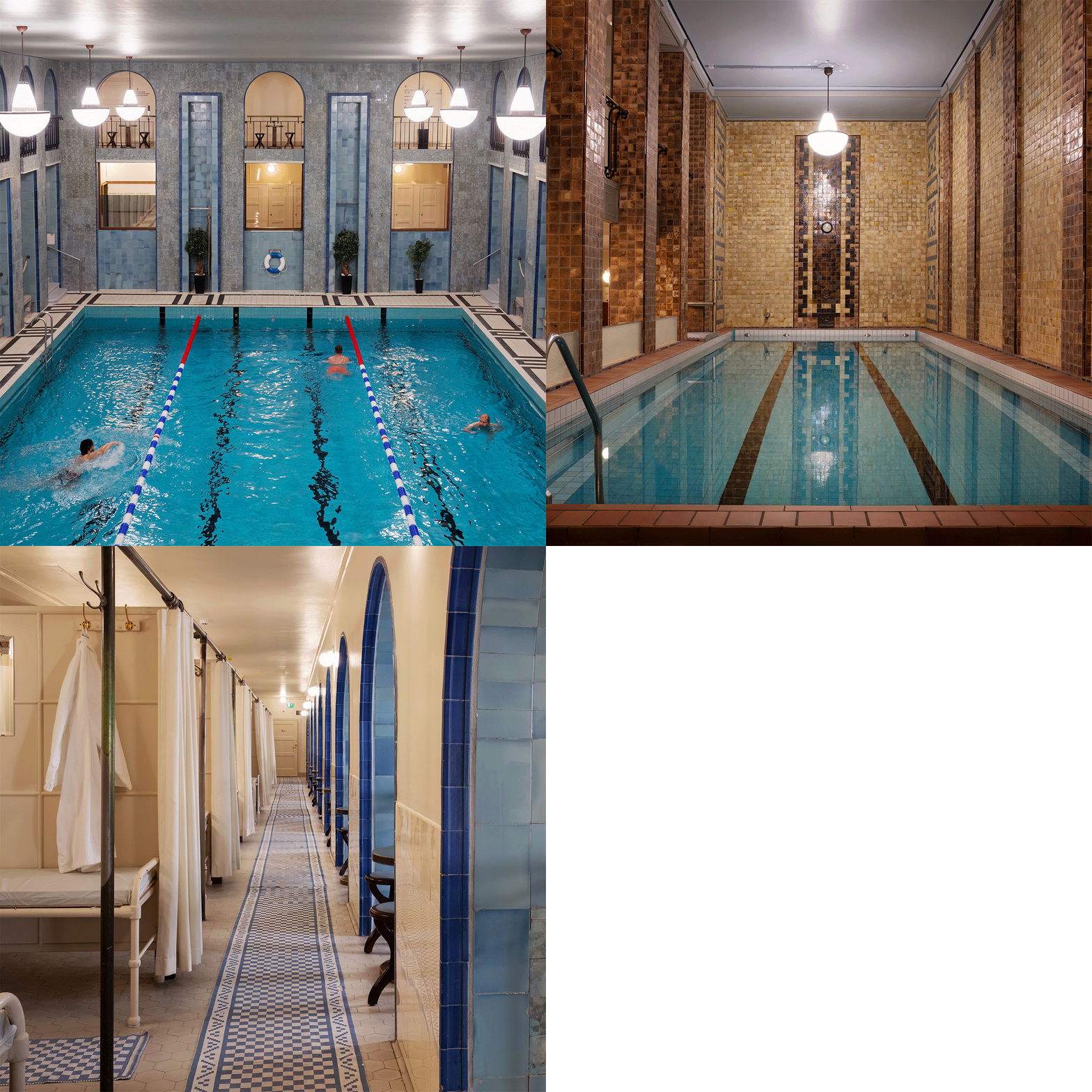
Helsinki’s Yrjönkatu swimming hall has reopened today following a careful renovation to preserve its original character. Established in 1928, this art deco hall features a handsome pool, wood-fired and steam saunas, private relaxation booths and a café with a balcony overlooking the water.
Visitors can enjoy the pool with or without a swimsuit and there are separate swimming times for men and women during the week. Yrjönkatu offers a rare chance to slow down and enjoy one of Helsinki’s most civilised pleasures.
liikunta.hel.fi
|
|
|
Sponsored by Hitachi Energy
|
|
|
|
|
|
FROM MONOCLE.COM: global
Floor plans to die for: The perfect architecture for serial killers and satanists
Spanish Netflix series Ciudad de Sombras (City of Shadows) is a six-part crime drama set in 2010 Barcelona (writes Andrew Tuck). The show unfolds in a city still uneasy about the 1992 Olympics, which displaced people from their homes to make way for new sports facilities, beaches and museums. Nearly 30 years later, they continue to be eased out of their apartments in the name of progress.
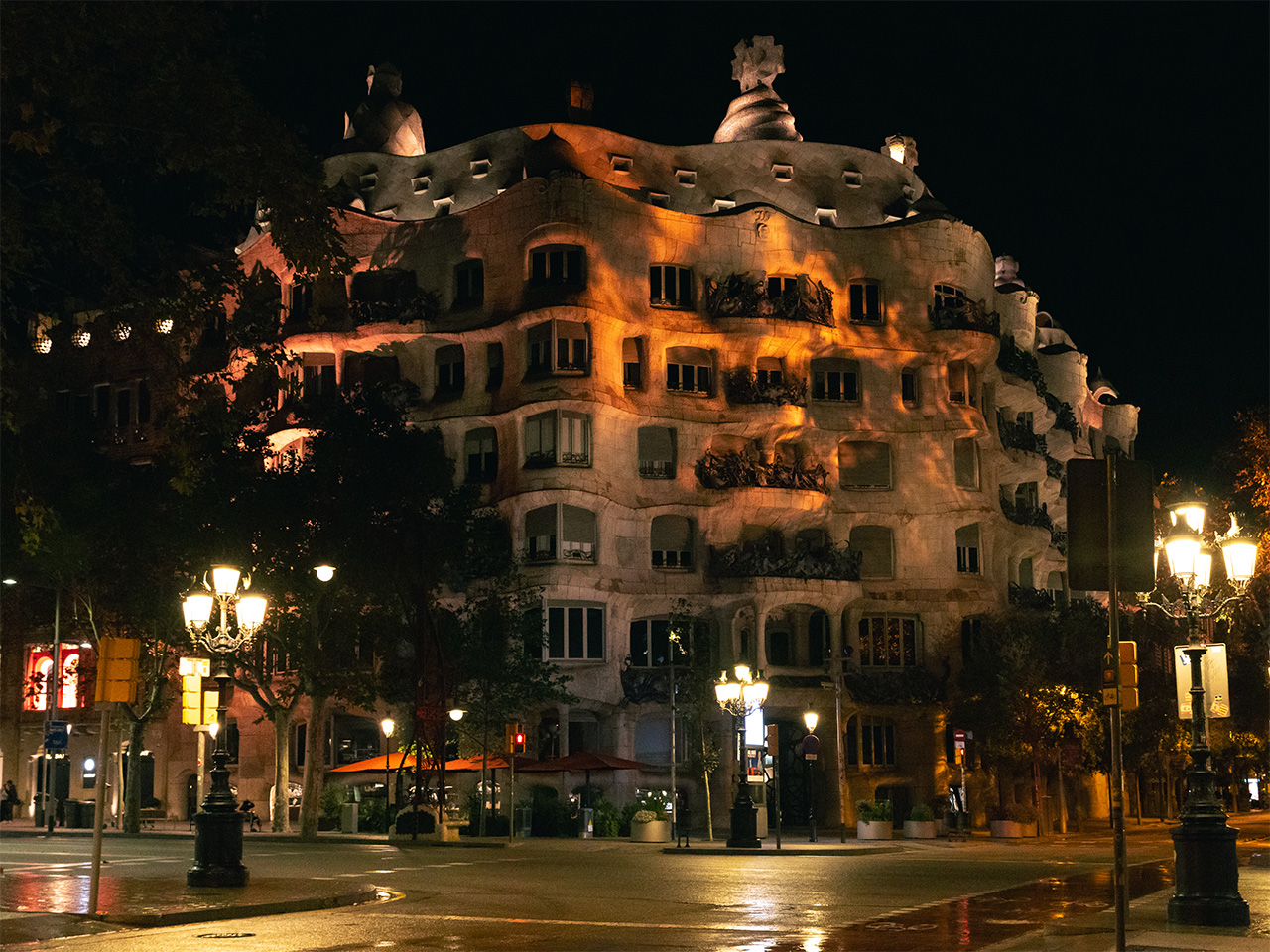
Building a case: ‘City of Shadows’ opens with a gruesome murder involving a charred body on the façade of Gaudì’s Casa Mila, La Pedrera, Barcelona
While there are other plotlines to do with cancer, child abuse, teenage suicide and Spanish TV, the key narrative of the series is the kidnapping and subsequent burning alive of various public figures, all taking place in buildings by Antoni Gaudí. Ciudad de Sombras is essentially an entertaining detective series that features spectacular architecture. It’s why, as yet another poor unfortunate is being flambéed, all you can think is, “I need to get to Barcelona and visit everything that Gaudí ever designed.” (Bookmark Monocle’s Barcelona City Guide, if you do.)
Of course, this is not the first time that the art of building design has stolen the show on screen or in print. Here are five more killer cultural outings for people who like double servings of crime and architecture.
|
|
| | |