|
I invite you to upgrade to a paid subscription. Paid subscribers have told me they have appreciated my thoughts & ideas in the past & would like to see more of them in the future. In addition, paid subscribers form their own community of folks investing in improving software design—theirs, their colleagues, & their profession.
The Bet On Juniors Just Got Better
Why genies can make hiring juniors more profitable, & what you need to change to get there
|

| |||||||||||||||


Junior developer—obsolete accessory or valuable investment? How does the genie change the analysis?
Folks are taking knee-jerk action around the advent of AI—slowing hiring, firing all the juniors, cancelling internship programs. Instead, let’s think about this a second.
The standard model says junior developers are expensive. You pay senior salaries for negative productivity while they learn. They ask questions. They break things. They need code review. In an augmented development world, the difference between juniors & seniors is just too large & the cost of the juniors just too high.
Wrongo. That’s backwards. Here’s why.
Oops, I buried my lede. Here’s my number one lesson—manage juniors for learning, not production.
The Valley of Regret
A junior developer is a bet. You’re paying money today for productivity tomorrow. The shape of that bet looks something like this:
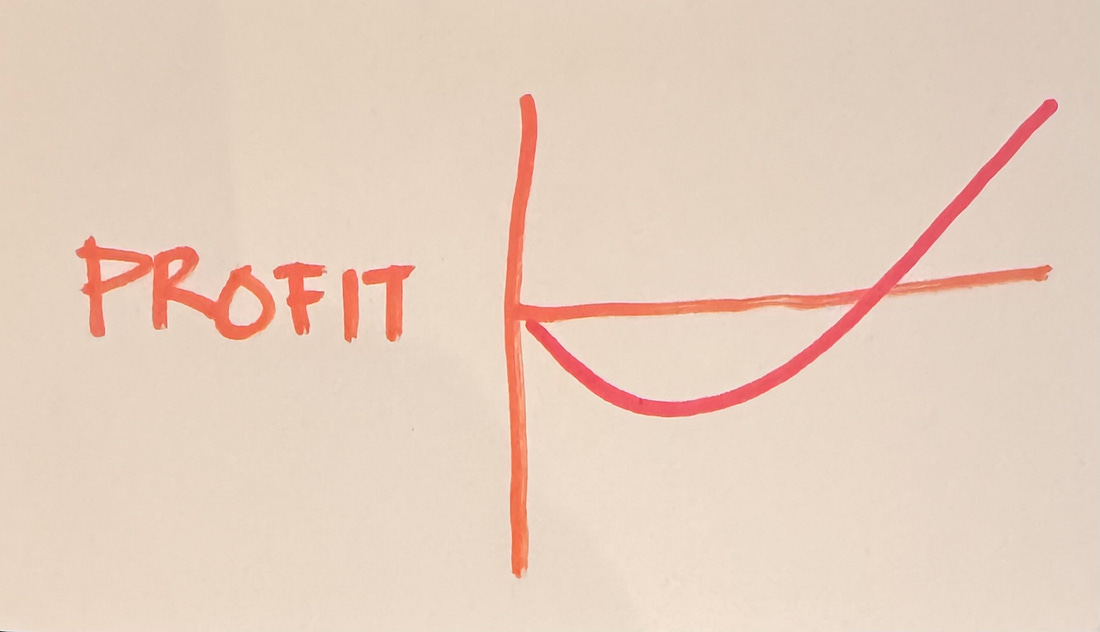 |
That red zone—the “valley of regret”—is where things go wrong. You’re spending money. You’re investing senior attention. And every month the junior is in that valley, something can happen: they get a better offer, they decide engineering isn’t for them, your startup runs out of runway, there’s a layoff.
The longer & deeper the valley, the more likely you never reach the other side.
This is why, when I talk to engineering managers, I hear the same thing: “We’d love to hire juniors, but we can’t afford the ramp time right now.”
Shrinking the Valley
I’ve been watching junior developers use AI coding assistants well. Not vibe coding—not accepting whatever the AI spits out. Augmented coding: using AI to accelerate learning while maintaining quality. Remember, you’re managing for learning, not production.
Managed for learning, the magnitude of the junior bet changes:
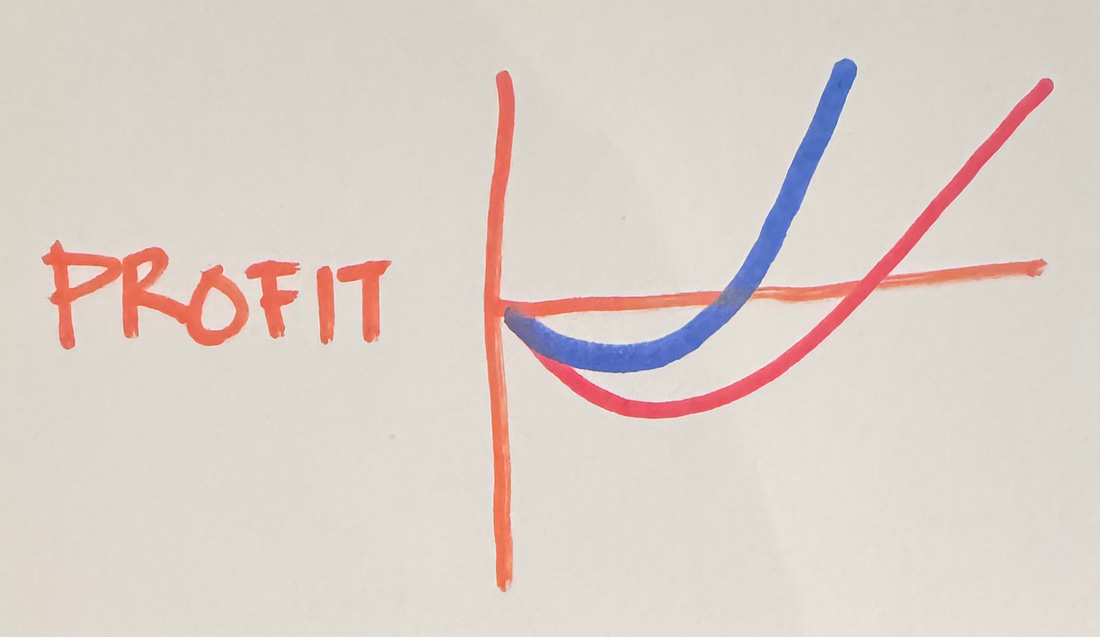 |
The juniors working this way compress their ramp dramatically. Tasks that used to take days take hours. Not because the AI does the work, but because the AI collapses the search space. Instead of spending three hours figuring out which API to use, they spend twenty minutes evaluating options the AI surfaced. The time freed this way isn’t invested in another unprofitable feature, though, it’s invested in learning.
Learning fast can become a habit. When a task is “completed”, there is always the opportunity to squeeze more juice from it:
How else could this have been done?
Is there now a way to simplify the code?
What are the tradeoffs?
Are there more tests we can/should write?
What is the performance envelope?
The genie is an endlessly patient tutor, but unlikely to volunteer learning opportunities. We’ll talk at the end of this piece about why learning like this is rare & what you need to change to realize the potential of juniors. It’s not just going to happen by itself.
First Order: More Value
Shortening the valley isn’t just “you get productivity sooner.” It’s that you survive the valley at all. (See also Luca Dellanna’s Ergodicity.)
Junior developers have high turnover. Let’s say 20% annual attrition—low for tech. Run the numbers:
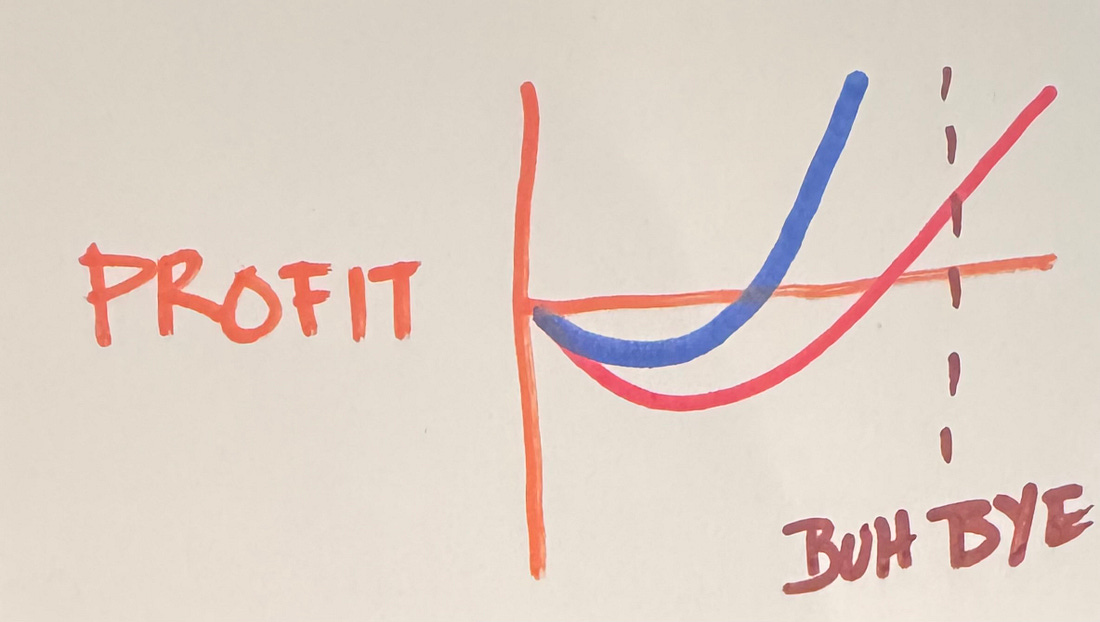
Traditional 24-month ramp: About 36% of juniors leave before they ever become net positive. More than a third of your bets never pay off.
Compressed 9-month ramp: About 15% leave before breakeven. You’ve cut your failure rate by more than half. Of the juniors who pass break even, more of that profitable area comes back to the company.
 |