And, AI finds organ rejection without biopsy.
 

Health Rounds

Health Rounds

By Nancy Lapid, Health Science Editor

Hello Health Rounds readers! With all the dire predictions about AI's potential to wipe out humanity, today we highlight two studies that use the technology for potential medical advances. We also report on a discovery at the cellular level that explains how tobacco smoke exposure can lead to lung cancer.

Among our breaking news stories: US court weighs block on Kennedy's vaccine panel appointments; Texas AG Paxton launches probe over toxic chemicals in children's underwear;  Americans support switch to Medicare for all health insurance; New York State declares measles disaster emergency; US advances first government-funded trials of psychedelic drug ibogaine; lawmakers urge FAA to continue requiring epinephrine on flights; Trump promises $90 one-time payments to seniors on Medicare; and US FDA closes cyclospora lettuce parasite probe, finds strong link to Taylor Farms Mexico.

Also: China plans late entry into WHO leadership race; Indonesia's WHO chief candidate calls on US to rejoin agency; Bangladesh considers dengue vaccine trials; how Trump's America First policy hit the Ebola response in Congo; Zambia to sign $1.5 billion US health pact after resolving differences over data-sharing; Kenya confirms first Ebola case; and UK says it will continuously monitor AI-based medical devices.


Industry Updates

  • McKesson, CD&R to take infusion therapy provider Option Care private in $5.8 billion deal.
  • Becton Dickinson pledges $19 billion US investment.
  • GE HealthCare to buy Sofie Biosciences for $945 million.
  • Gate Bioscience expands Lilly drug deal worth more than $870 million.
  • Roche licenses Alector Parkinson's therapy for up to $1.27 billion.
  • Vaxcyte shares surge as pneumococcal vaccine succeeds in late-stage trial.
  • CSL strikes rare disease drug deal worth up to $1.6 billion with Swiss firm Alentis.
  • US FDA extends review of Novo Nordisk's hemophilia drug over facility issues.
  • AbbVie joins US government pilot to test drug discount rebates.
  • Bayer to invest $2.2 billion in new US pharma site.


What do we know about the plague institute lab worker's death in Russia?

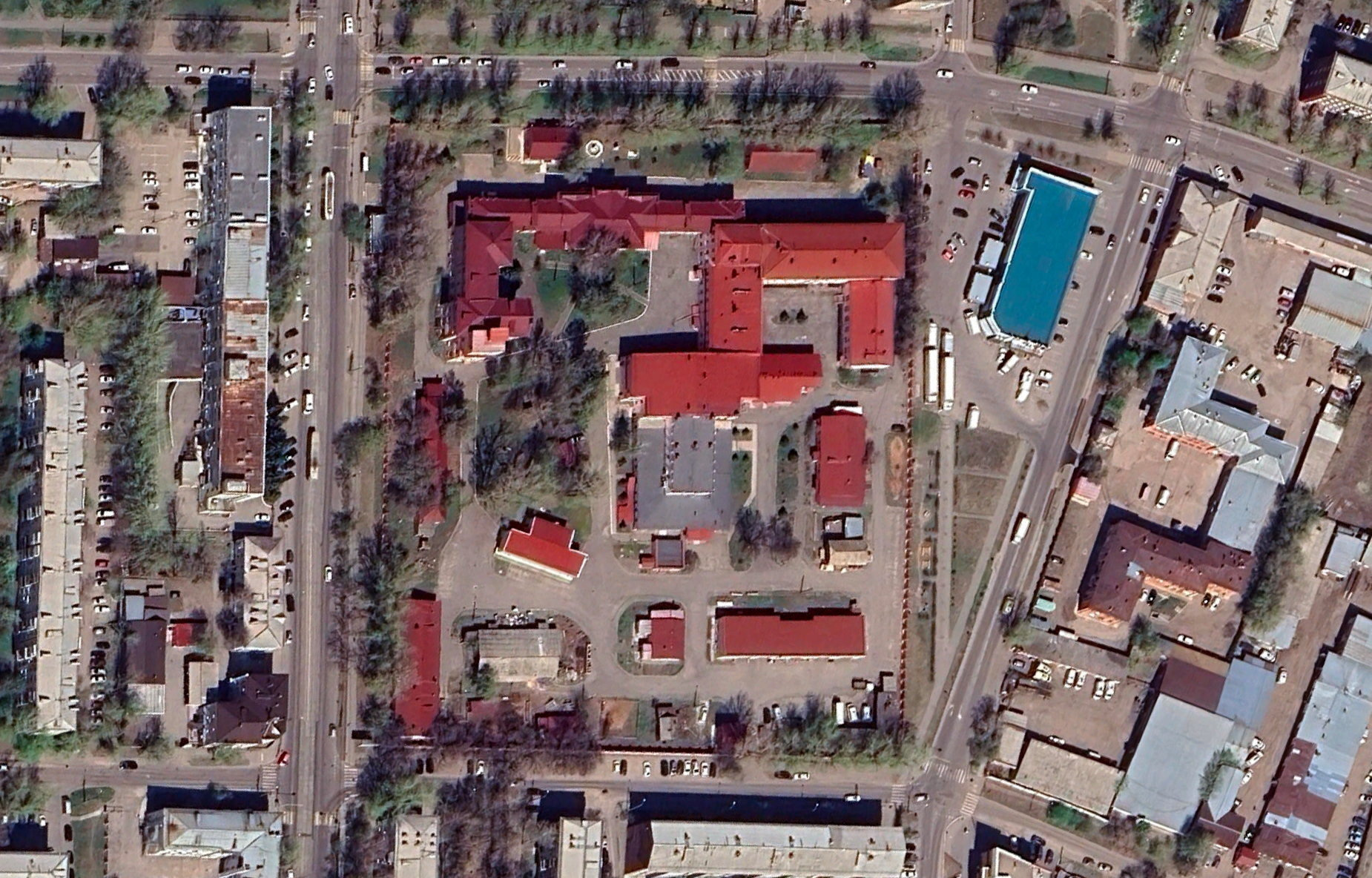
Google/Airbus/Handout via REUTERS A satellite image shows the Anti-Plague Institute of Siberia and the Far East in Irkutsk, Russia.

A worker at a Siberian plague research institute died in undisclosed circumstances, prompting authorities to quarantine about 200 people and causing public health fears on social media. Read more here.  


Study Rounds

Room-temperature storage of mRNA vaccines may be near


Using artificial intelligence, researchers may have found a way to make vaccines based on mRNA technology, such as Moderna's and Pfizer's COVID shots, storable at room temperature, which would lower costs and make them available in regions where ultra-cold storage is not possible.

Presently, mRNA vaccines, including Moderna's new flu shot, must be stored at extremely low temperatures, typically ranging from -40 to -123 degrees Fahrenheit (-40 to -86 Celsius).

That is because messenger RNA is extremely fragile and breaks down easily at higher temperatures.

With help from artificial intelligence, researchers tweaked the formulation of the lipid nanoparticles that carry the mRNA in the vaccines, making the particles more heat-resistant.

Using this approach, they formulated vaccines that could remain stable even when stored at room temperature for up to a year, or at nearly 100 degrees Fahrenheit for two months, according to a report published in Nature Biotechnology.

Mice that were vaccinated with these particles, even after long-term storage, showed equivalent immune responses to mice that received vaccines carried by lipid nanoparticles similar to the original formulation used by Moderna.

“Cold-chain requirements add considerable infrastructure costs throughout the product life cycle, including specialized packaging, ultra-cold storage, temperature-controlled transport and continuous monitoring,” the researchers noted in their report.

Vaccines that tolerate higher temperatures could reduce storage costs by up to 86%, they added.

“Our approach broadens the application of not only mRNA vaccines, but also therapeutics or advanced drug-delivery platforms like controlled-release particles or microneedle patches, which requires the formulation to either be in solid state or to be stable at higher temperature,” study leader Jinbi Tian of MIT said in a statement.


Detecting heart rejection without biopsy

AI may improve doctors' ability to detect heart transplant rejection without surgery and appeared to be more accurate than standard blood tests, according to a report in Journal of Heart and Lung Transplantation.

The current gold standard for diagnosing heart transplant rejection is the surgical removal of a small piece of heart muscle, which is then examined under a microscope for inflammation and other changes.

Certain commonly used blood tests can help identify rejection but often produce false-positive test results, which lead to unnecessary biopsies, the researchers said.

Using data from 389 adult heart transplant recipients, the research team trained artificial intelligence models to recognize rejection using patterns detected in more than 5,000 electrocardiography readings and to add that information to blood test results.

In a different group of 38 male and female heart transplant recipients, the researchers found the model correctly identified 100% of patients who were not experiencing rejection.

The blood tests alone would have incorrectly flagged 19 patients as potentially needing a biopsy, the researchers said.

There was a 97% probability that a person with a negative test result truly did not have rejection.

“Our results highlight that electrocardiograms contain an abundance of physiological information that can be used to substantially improve the accuracy of detection and enable earlier diagnosis and treatment for patients with cardiac transplant rejection,” study leader Dr. Lior Jankelson of the NYU Grossman School of Medicine said in a statement.

The researchers now plan to test their model in more patients at several transplant centers.


How chronic tobacco smoke e