
| Forwarded this email? Subscribe for more |



 |
| By The Free Press |
It’s Friday, June 19. This is The Front Page, your daily window into the world of The Free Press—and our take on the world at large. Today: Michael Doran unpacks the memorandum of understanding with Iran—and what comes next. Uri Berliner on growing up in 1970s New York and the magic of the Knicks. The great American sculptor who died with his masterpiece. And much more.
But first: Coleman Hughes on loving America.
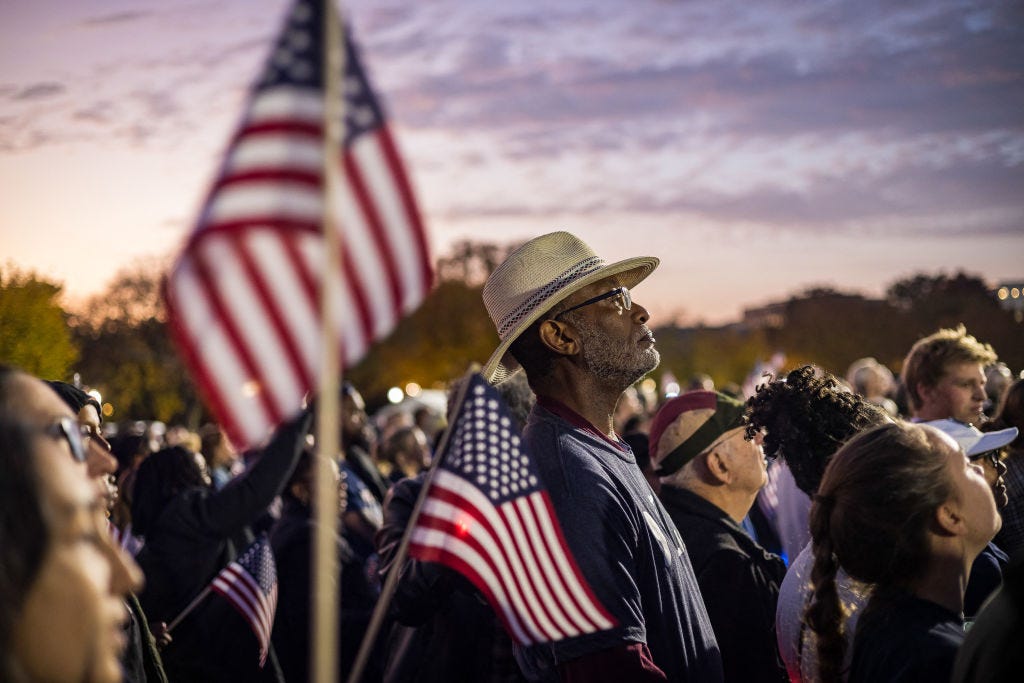
There is no denying that for many African Americans, the legacy of slavery makes patriotism complicated.
Today, on Juneteenth, we mark the day that American slaves in Galveston, Texas, heard the news of their emancipation. Two weeks from now, on July 4, some will find celebrating more difficult. Can we revel in the birth of American liberty that did not extend to black people?
Today, I’m making a case that I hope will persuade skeptics. Telling conservatives and independents that America deserves their love would be preaching to the choir. So I’m making the progressive case for loving America.
As I write today, progressives often take for granted the “precious gifts that most people on Earth still don’t have or have only partially—societal wealth, reliable law and order, political rights.”
If you’re a progressive, I hope this changes your mind. If you’re a conservative, read it for a different reason: a patriotism that can persuade only traditionalists is fragile. It might make you a better advocate for the country you already love.
—Coleman Hughes
Five years after Juneteenth became a federal holiday, Isaac Newton Farris Jr.—the nephew of Martin Luther King Jr.—reflects on the tension at the heart of the day: the horror of American slavery and the vindication of the founding principles that ultimately undid it. As Dr. King put it, “the goal of America is freedom.” And Juneteenth was one incredible step toward that goal.
 |
Breaking Down Trump’s Iran Deal
At first glance, Donald Trump’s memorandum of understanding with Iran appears to be a wish list drafted by the mullahs. They get sanctions waived and $300 billion for reconstruction in exchange for a vague commitment not to pursue a nuclear weapon. But “real significance [of the MOU] is that it buys time,” argues Michael Doran—enough time to prepare for Iran’s next attempt to rebuild its nuclear arsenal.
Meanwhile, Jack Goldsmith argues that there’s another problem with the deal: It may violate a law Republicans passed to stop Barack Obama from making a similar move a decade ago. Will the courts intervene to block its implementation? Read Jack’s piece to find out.
Our columnists also weighed in: Niall Ferguson is cautiously optimistic, while Douglas Murray sees a regime with too dark a record to trust. Read the full pieces here.
 |
Ayaan Hirsi Ali: Britain’s Rape Gangs and the Failure of Feminism | |||||
 | |||||
|
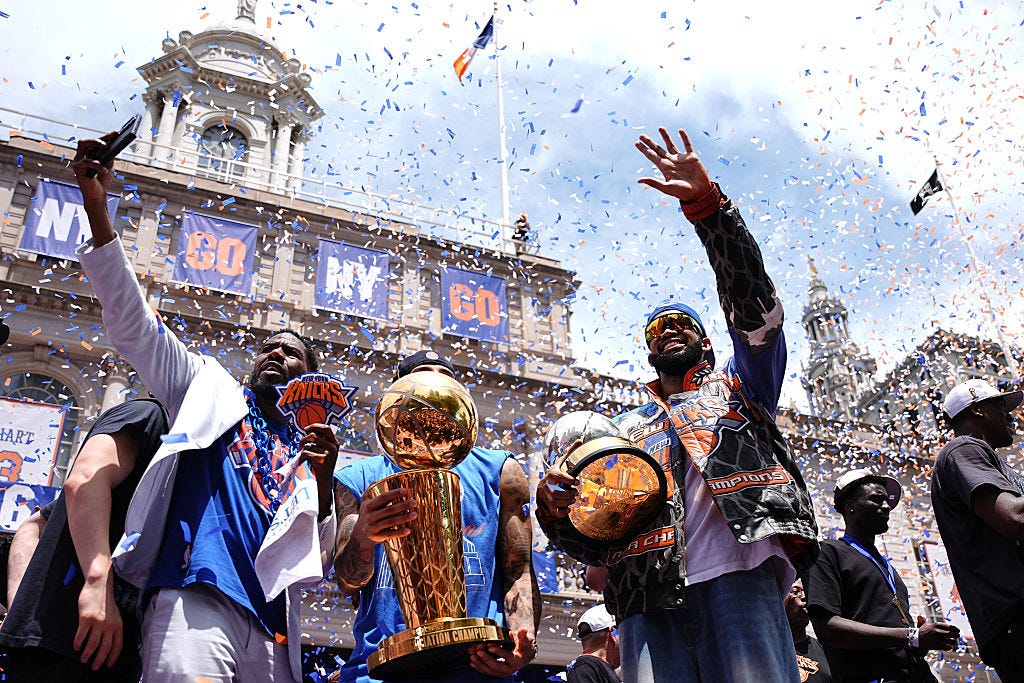
How the Knicks Saved New York—and Me | |||||
 | |||||
|