Were you forwarded this message? Subscribe to From the Think Tank to receive this newsletter in your inbox. |
|
|
|
We’re pleased to highlight the work of CFR’s think tank, the David Rockefeller Studies Program, in this newsletter.
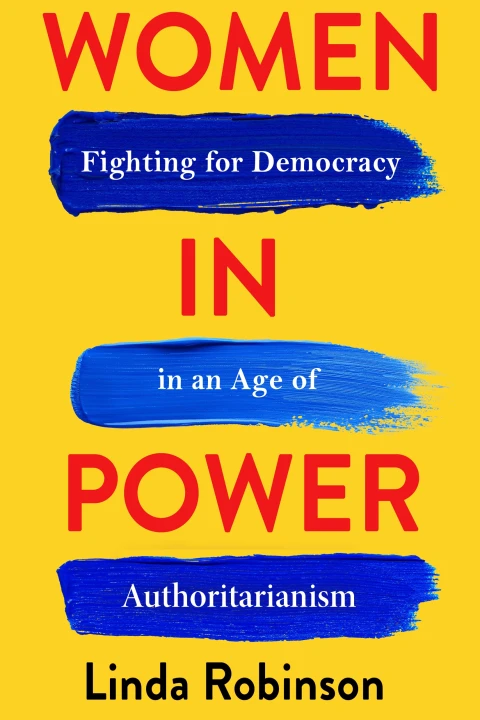
This month, we’re sharing a new book by Linda Robinson that profiles women leaders around the globe; a report warning that the U.S. pharmaceutical supply chain is overly dependent on China; an exploration of potential scenarios if Russia annexes Belarus; and more. In a special America at 250 series, James M. Lindsay has been diving into pivotal foreign policy moments in U.S. history. Our fellows also unpack the Iran deal and have a bit of fun predicting World Cup outcomes.
We recently unveiled a new site for our LEAD AI program that examines the national security implications of artificial intelligence. And we welcomed two new fellows: Sadanand Dhume, who focuses on India, Pakistan, and South Asia, and Stephanie Psaki, who focuses on health security. They join our impressive roster of experts who cover the world’s major regions and critical foreign policy issues.
We hope you find the work of our fellows to be of interest. Please be in touch with any thoughts or reactions to our content. Sincerely, Shannon |
| |
|
The beautiful game arrived in North America last week with the start of the 2026 World Cup, which is being hosted in cities throughout the United States, Canada, and Mexico. CFR fellows weigh in on who they think will win it all. Spoiler: lots of love for Germany and Spain! |
|
| |
|
The Marshall Plan is widely considered one of the best U.S. foreign policy decisions in history. As part of the America at 250 series, Benn Steil sits down with James M. Lindsay on The President’s Inbox podcast to discuss how a Republican Congress was persuaded to support an initiative of a Democratic administration, whether the plan can take sole credit for Western Europe’s economic rebound in the late 1940s, and what lessons the United States should take away from the Marshall Plan almost eighty years later. Listen to the episode
|
|
|
|
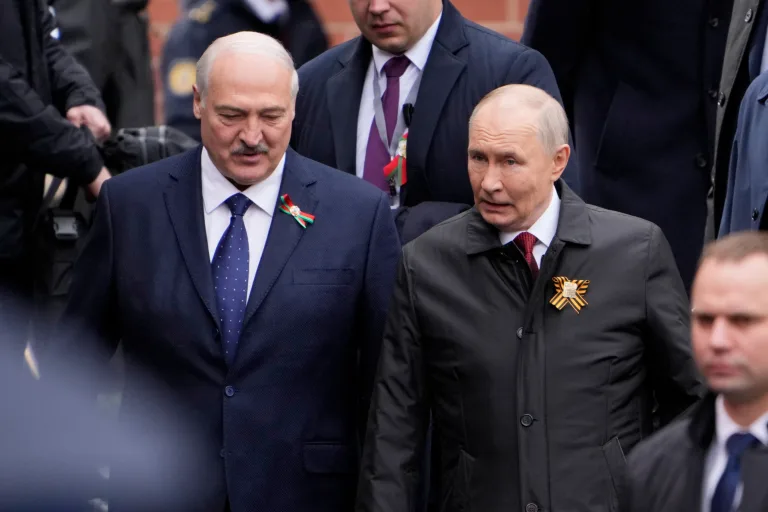
The relationship between Minsk and Moscow has reached a tipping point, and U.S. policymakers should not ignore the possibility that Russia might decide to annex Belarus within the next two years. In “Russian Annexation of Belarus,” Thomas Graham proposes several preventive measures the United States could take, including normalizing relations with Belarus while keeping backchannel communications open with Russia, and mitigating options, in the event of a coercive seizure—most importantly, strengthening NATO’s deterrent stance along the Russian border. Read more
|
|
|
|
The David Rockefeller Studies Program—CFR’s think tank—analyzes global challenges and offers steps to address them. More than eighty fellows cover the world’s major regions and significant foreign policy issues. CFR produces reports, articles, videos, podcasts, and more for the interested public, the academic community, business leaders, foreign policy experts, and policymakers.
|
|
|
|
|