Colombia’s presidential conundrum, London’s grimy reputation and the J Press x Alex Mill rugby shirt.
|
Thursday 18/6/26
|

|
|
London
Paris
Zürich
Milan
Bangkok
Tokyo
Toronto
|
|
|
|

Today the Makerfield constituency in Greater Manchester will vote in a by-election that could decide the future of the UK prime minister. Andy Burnham, the current mayor of Manchester, will be hoping to win, launching his bid to topple Keir Starmer and become the country’s leader. Tune in to ‘The Globalist’ tomorrow morning on Monocle Radio for coverage. For now, here’s the Monocle Minute:
THE OPINION: Colombia is caught between a rock and a hard place
TRAVEL: New Emirates insurance package takes flight
POLITICS: Sadiq Khan should embrace the ‘London has fallen’ myth
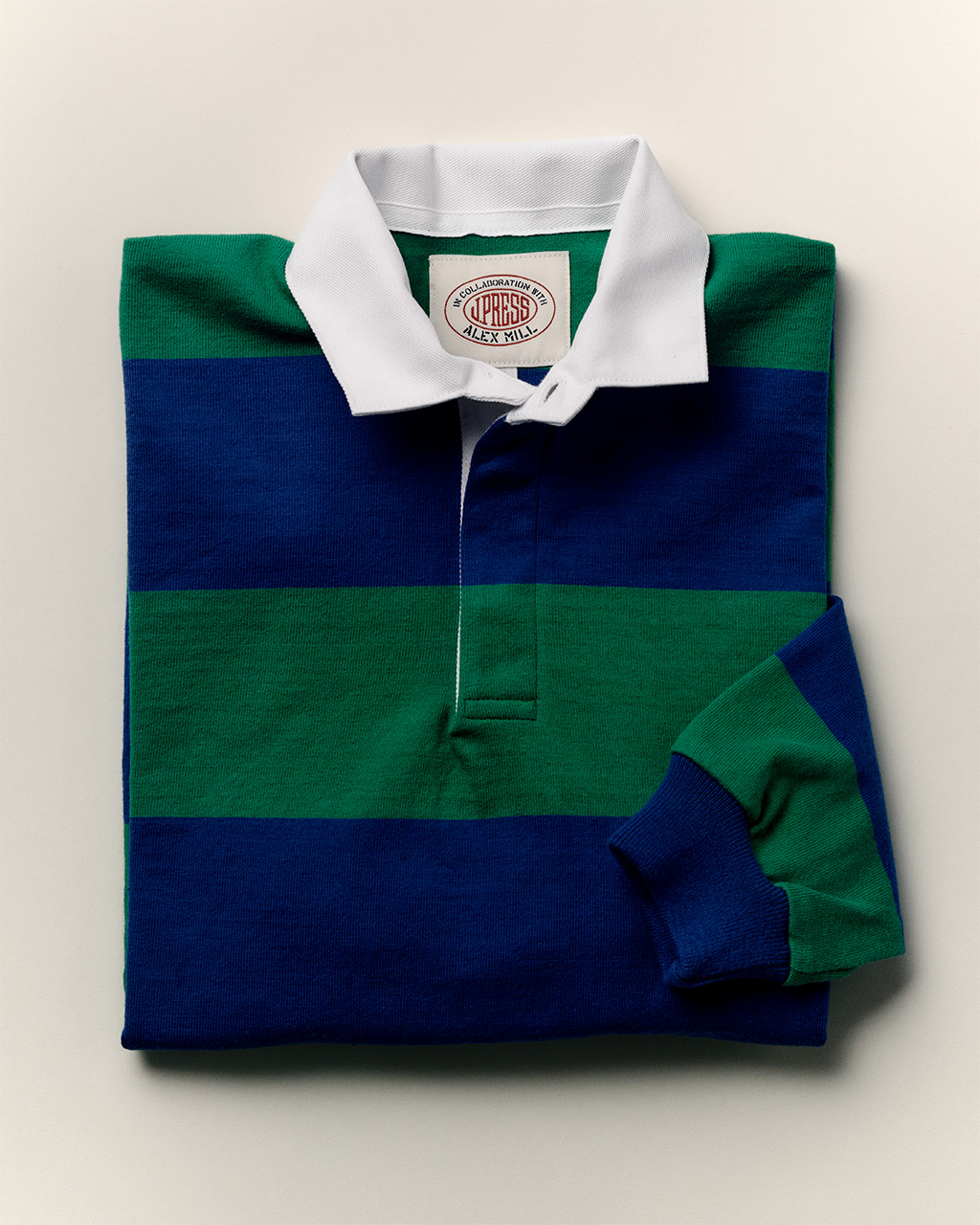
DAILY TREAT: Try the new J Press x Alex Mill rugby shirt
THE LIST: Three articles you might have missed
|
|
Colombia’s presidential election is a choice between extremes. The country needs to return to the centre
By Silvana Paternostro
|
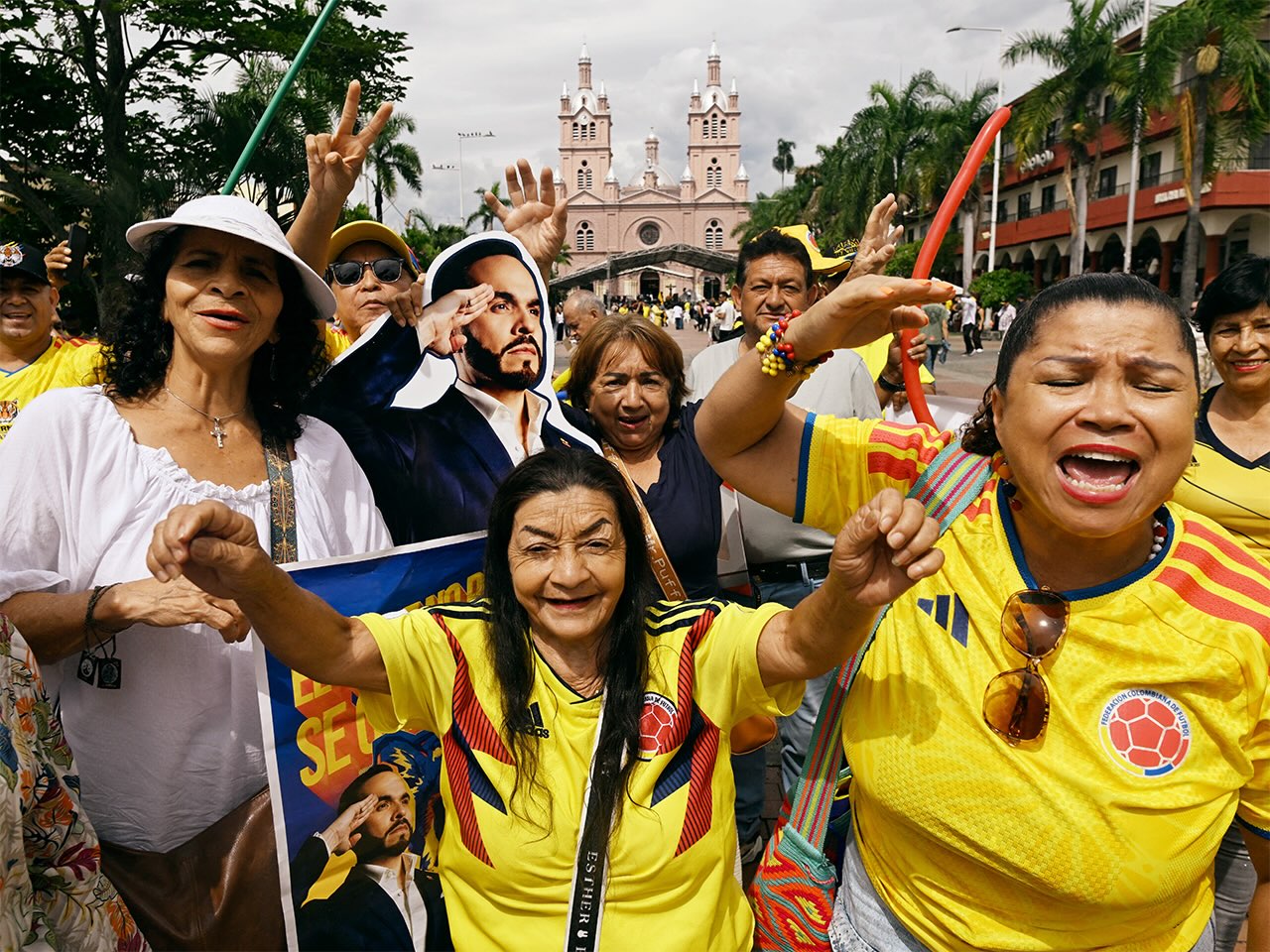
On Sunday, Colombians will head to the polls to elect their next president. The neck-and-neck contest pits two of Latin America’s most polarising figures against each other, which is saying something. In one corner is Abelardo de la Espriella, also known as “El Tigre”: a 48-year-old lawyer and lifestyle entrepreneur who presents himself as a Colombian-Caribbean equivalent to Javier Milei, Donald Trump or Nayib Bukele.
To his critics, De la Espriella is a tacky, opportunistic grifter who made a fortune in Miami by representing people linked to corruption scandals and paramilitary groups (including the likes of Nicolás Maduro’s ally Alex Saab, who has been charged with money laundering). He has returned to mansplain and insult the residents of his motherland, while promising to save them. His enemies warn that he will be a menace to Colombia’s unique biosphere and inevitably become Trump’s puppet, before taking off again on a private jet to the US or Italy, where he has property and passports.
|
|
|
Emotional support: Is de la Espriella cut out for the presidency?
|
|
In the other corner is Iván Cepeda, a Bogotá-born philosopher who spent part of his early years in Soviet-aligned Prague and Cuba, before studying at Bulgaria’s Sofia University. Cepeda became a human-rights campaigner after the assassination of his father, a Marxist senator, in 1994; today he is known for his ill-fitting, Mao-collared outfits. His opponents accuse him of being a terrorist sympathiser with awful teeth and bad posture, who will turn the country into a communist narco-state. They see him as cog in the long-running effort to destroy the nation and turn it into another Cuba or Venezuela. Cepeda is the candidate favoured by the incumbent, Petro, who is the first leftist elected to lead Colombia.
These are obviously caricatures but the stakes in this election feel extreme, with political polarisation at an all-time high. Colombians in both camps are convinced that the other side threatens what remains of their country’s democracy, institutions and economy. “Remember Hugo Chávez,” says the right. “Remember fascism,” says the left.
Will Colombia choose a showman who swears to “stand firmly for the homeland” and bring prosperity to the poor through unspecified policies or a boring commie dinosaur who pledges to defend the nation’s natural beauty and increase social spending at all costs? El Tigre’s campaign has been far more fiesta-flavoured and AI-enhanced than Cepeda’s familiar leftist repertoire of marches, slogans, victimhood and clenched fists; both sides, meanwhile, have played dirty. It would be incredibly entertaining to follow if the consequences weren’t so serious.
De la Espriella frames his political inexperience as a strength, hoping that his outsider status will lure voters who feel perennially left behind. Cepeda cites the opposite: he has been everywhere, walking up and down the country beside victims of war. Polls suggest that El Tigre has the edge. He was the unexpected winner of the first round on 31 May, with 43.7 per cent of the vote, ahead of Cepeda’s 40.9 per cent. The result stunned supporters of the latter, who had convinced themselves that they were heading for a landslide. It also marked the defeat of the traditional right, pushed aside by a loud insurgent from the coastal provinces.
There are, however, millions of votes still in play. Both candidates have accordingly spent the past few weeks desperately courting Colombia’s four million or so undecided voters. Cepeda has even tried to be funny – which is clearly not his natural register. De la Espriella has toned down his opposition to adoption by same-sex couples and his threats to end the 2016 peace process and pull Colombia out of multilateral bodies. He promises that, following his vision, Colombia can become as successful as, say, South Korea – though he has yet to explain how. Despite its distaste for his loud antics, shady past and questionable wardrobe, the centre seems to be leaning towards El Tigre.
Whoever wins on Sunday, it’s clear that Colombia urgently needs a proper third way. Those who are not on the extremes are called
tibios, which means “lukewarm”. Maybe this election will prove that it’s time for the country to embrace moderation. Colombia has been passing the baton from extreme left to extreme right since its inception, resulting in a traumatised society. It’s time for the
tibios to lead.
Silvana Paternostro is a Colombian journalist and author. For more opinion, analysis and insight, subscribe to Monocle today.
|
|
Travel: uae
The race is on to rebuild travel confidence across the Gulf – and Emirates is leading the way
The latest product launch from Dubai-based airline Emirates says as much about the past few months as it does about the future (writes Inzamam Rashid). This week the carrier unveiled Comprehensive Travel Cover, an insurance package that includes complimentary rebooking with other airlines in the event of disruption, medical cover for conflict-related incidents and support during airspace closures. It’s a striking acknowledgement that war has become a key consideration in travel planning.
In recent months, hotels across the Gulf have offered hefty discounts to offset plummeting occupancy rates, while airlines have sought to reassure passengers that the region remains open for business. But Emirates appears to have concluded that reassurances alone are not enough.
“Travel demand has remained strong but there was a gap in the market with regards to insurance cover,” Tim Clark, the president of Emirates, tells The Monocle Minute. “We are proud to offer our customers added confidence in planning their journeys to and through Dubai.”
Dubai’s economy depends on a daily flow of tourists, business travellers and transit passengers. Following recent diplomatic de-escalation efforts, the Gulf states are racing to rebuild traveller confidence and restore regional tourism.
Further reading:
-
Going abroad? Do your geopolitical research before packing your passport
|
|
politics: UK
Why Sadiq Khan should let the world’s terminally online believe that London is a hellhole
If you spend much time on social media – and on the platform owned by Earth’s most annoying individual in particular – you will repeatedly be presented with a specific impression of the UK capital (writes Andrew Mueller). Accounts with huge followings portentously declare that “London has fallen”: that the city is somehow increasingly subject to both unrestrained feral criminality and sharia law.
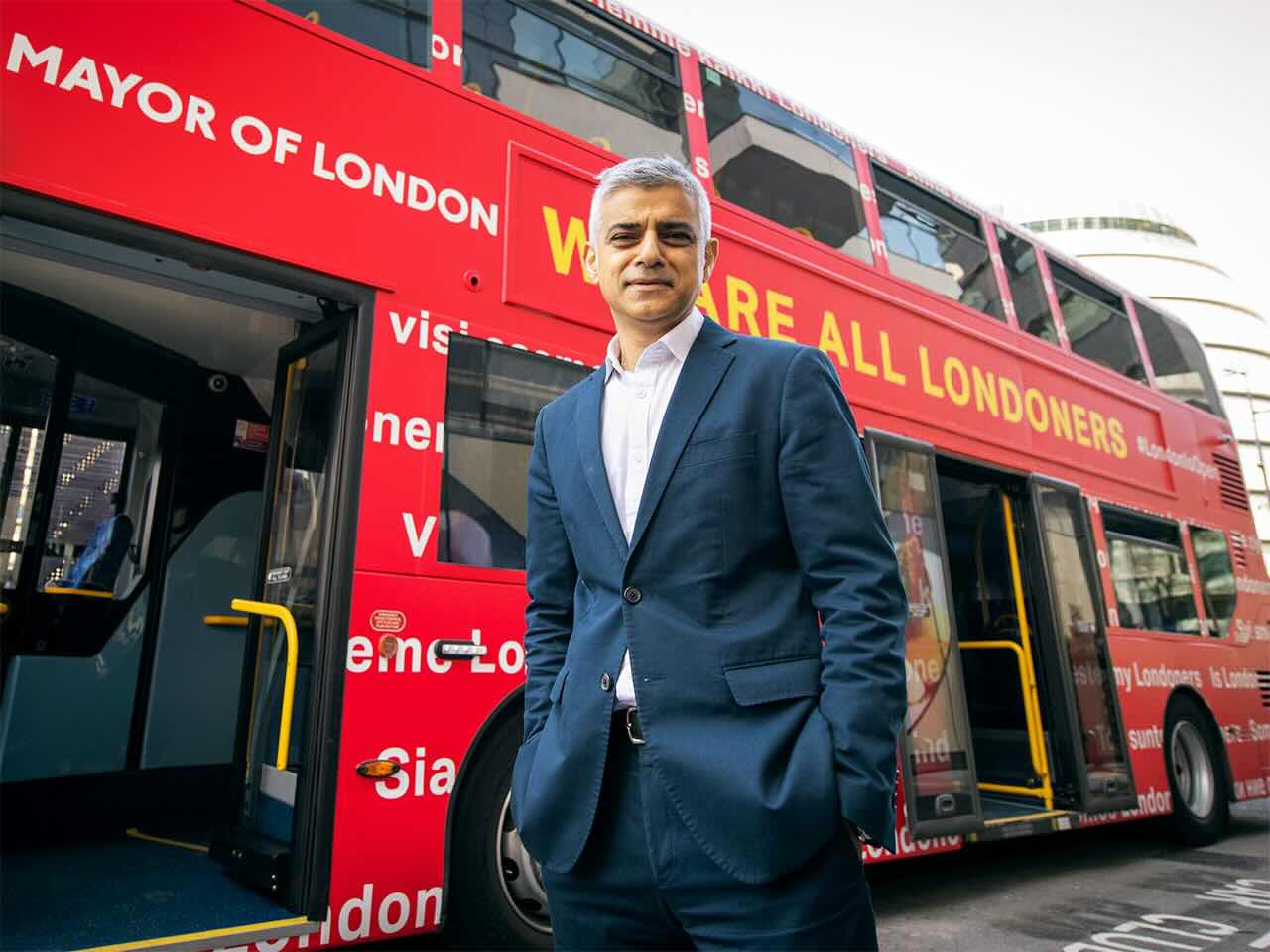
This is obviously nonsense but it vexes the capital’s mayor, Sadiq Khan, who has predictably become a focus of the far-right’s “Londonistan” fantasies. Khan now proposes to spend £7m (€8.1m) of his fellow residents’ money combating online disinformation about his city. He should not.
|
|
|
On a troll: Khan should throw London’s reputation under the bus
|
|
It’s not just that the money could be more usefully allocated (on, say, a network of turrets that would launch Tasers at hire-bike riders speeding through pedestrian crossings). It’s not even that there’s simply no mileage in dignifying such bunkum as AI-generated images of – to cite a genuine example – hooded youths frolicking in a Croydon waterpark with an official response. It’s that online disinformation depicting London as a squalid, dysfunctional hellhole is useful and, indeed, should be encouraged as an effective filter of undesirables.
Consider the calibre of moron who believes every melodramatic blurt of conspirazoid drivel that they read online. Would you want them visiting your city? The more tinfoil-hatted troglodytes who convince themselves that they would be lucky to survive a day in London, the better.
Further reading:
-
The UK’s under-16 social-media ban won’t make Big Tech safer
|
|
• • • • • DAILY TREAT • • • • •
Get your look over the line with J Press and Alex Mill’s new rugby shirt
J Press has defined preppy menswear since it was established at Yale in 1902. Alex Mill is a relative newcomer, founded in 2012 by Alex Drexler – the son of former J Crew and The Gap CEO, Millard Drexler. The two brands have collaborated to design a range of basics that can be worn anywhere from relaxed dinners to casual meetings.
The collection celebrates Americana, infusing the style with a bright palette. Try the new rugby shirt. It’s an easy way to look like you’re making an effort without tackling the Oxford button-down and accompanying ironing board each morning. We particularly enjoy this royal-blue-and-green striped colourway.
alexmill.com;jpress.com
|
|
the LIST: FROM monocle.com
Stories you might have missed
| | | | |