Douglas Murray: How Trump Fell Into the Iranian Trap The agreement gives billions of dollars to the Iranian regime early on in return for their promise to cease the murderous behavior they have engaged in for decades.
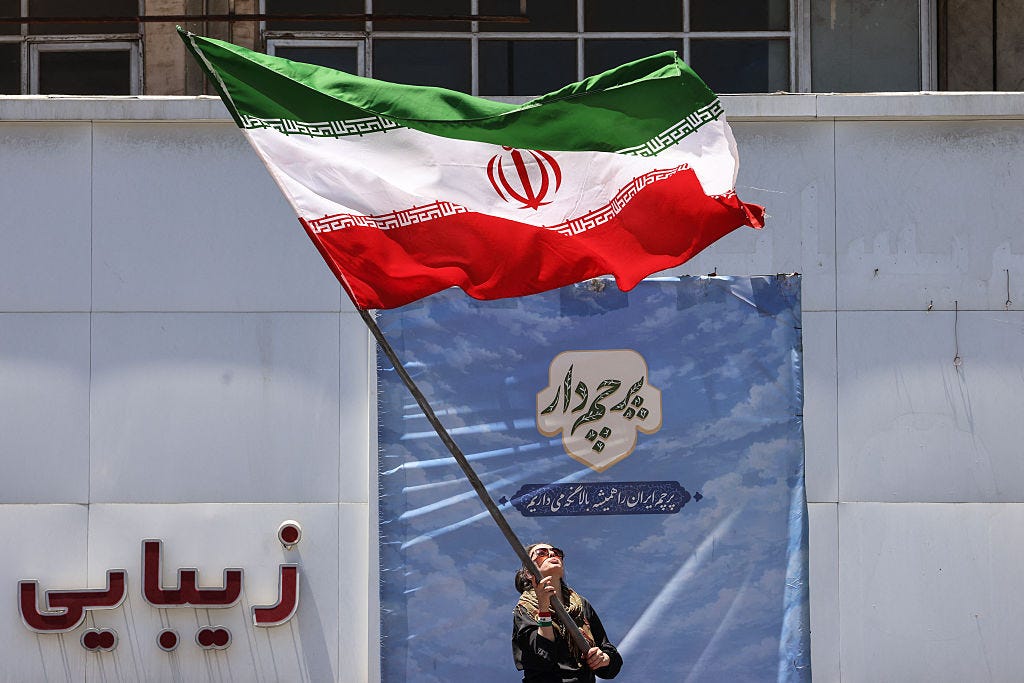
The Trump administration seems to have united its critics from left and right over the deal to end current hostilities. Three aspects of the deal symbolize the problem. (Atta Kenare/AFP via Getty Images)
The world caught its first glimpse on Wednesday at the terms that could end the U.S.-Israeli war with Iran, and Free Press writers are evaluating the deal. Earlier, Niall Ferguson made the case for cautious optimism about the agreement, suggesting that watching Iran closely and enforcing the deal carefully could help the Trump administration achieve its aims. Below, Douglas Murray offers a more skeptical take in his first essay since returning to The Free Press as a columnist this week. He analyzes the deal’s terms and the history behind it—and he finds little reason for optimism.
It is often said that international agreements are not worth the paper they are written on. Fortunately, the memorandum of understanding (MOU) that the U.S. is reportedly signing with the revolutionary Islamic regime in Iran is, fittingly, a virtual document, and has so far been signed electronically. This article is featured in International. Sign up here to get an update every time a new piece is published. At present the Trump administration seems to have united its critics from left and right, foreign and domestic, over the deal to end current hostilities. Three aspects of the deal symbolize the problem...
Become a paid subscriber Get access to our comments section, special columns like TGIF and Things Worth Remembering, tickets in advance to our live events, and more. UPGRADE TODAY |