
| Forwarded this email? Subscribe for more |



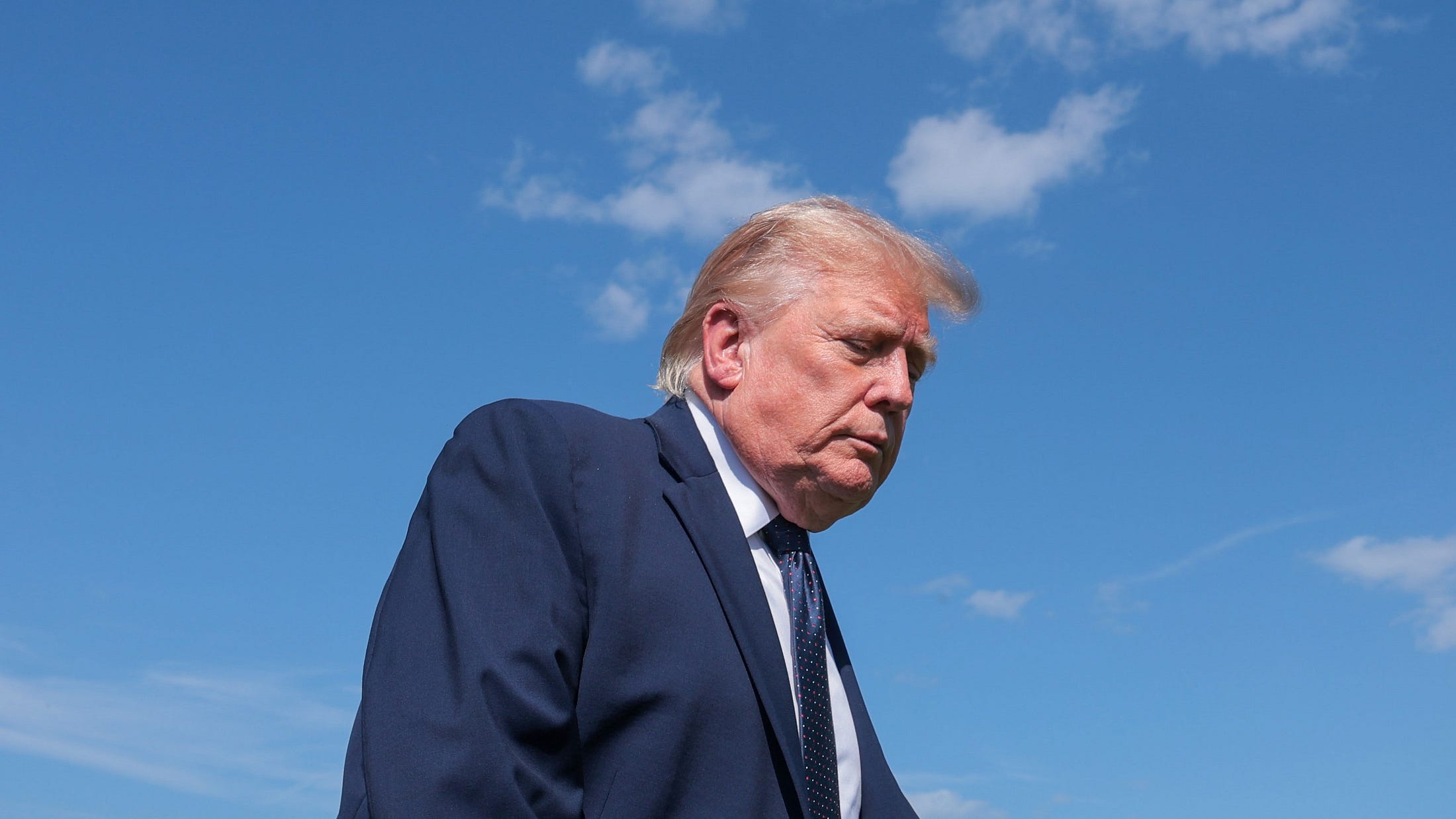 |
| By Niall Ferguson | PREVIEW |
On Wednesday, a senior Trump administration official announced the 14-point memorandum of understanding (MOU) agreed to between the United States and Iran to end the war. The MOU, which outlines a 60-day period of negotiations, a lifting of the U.S. naval blockade on Iran, and U.S. financing of Iran’s economic development, among other provisions, has been criticized by figures on both ends of America’s political spectrum as a form of capitulation in a war that the U.S. initiated more than 100 days ago.
As questions continue to swirl, we turned to historian and Free Press columnist Niall Ferguson to help us understand just what we should make of this agreement. Is the deal really “surrender,” as some in Washington have claimed this week? And what will it mean for the U.S., Iran, and the balance of power in the Middle East? Read Niall’s piece to find out. —The Editors
 |
In January 1918, President Woodrow Wilson published his 14 Points, which were designed not merely to end World War I but also to serve as a blueprint for an enduring global peace. Delivered as an address to Congress, they are perhaps the most ambitious peace proposals the world has ever seen.
Wilson called for an entirely new international order based not on the old secret diplomacy but on “open covenants of peace, openly arrived at” (Point 1). He envisioned “absolute freedom of navigation upon the seas” (2). He proposed global free trade (3)—“the removal, so far as possible, of all economic barriers and the establishment of an equality of trade conditions among all the nations”—and general disarmament (4). There should also be “impartial adjustment” of all colonial claims, taking account of the wishes of the colonized (5); no interference in the Russian Civil War then raging (6); the liberation of German-occupied Belgium and northern France (7 and 8); national self-determination for ethnic minorities in Italy (9) and Austria-Hungary (10); an end to military occupations in the Balkans (11); autonomous development for the non-Turkish peoples of the Ottoman Empire (12); and Polish independence (13)...
Continue reading 'Niall Ferguson: It’s Too Soon to Call This a U.S. Surrender' | |||||||||||||||||||||||||||
Or | |||||||||||||||||||||||||||
|


