Droughts, floods, and intense wildfires are becoming more frequent as the Earth’s climate changes. From 2000 to 2019, the world recorded 3,830 of these extreme weather calamities, or twice as many as during the previous 20-year period—and that trend is expected to hold. This year already, countries across southern Africa and South Asia experienced a prolonged rainy season and deadly flooding.
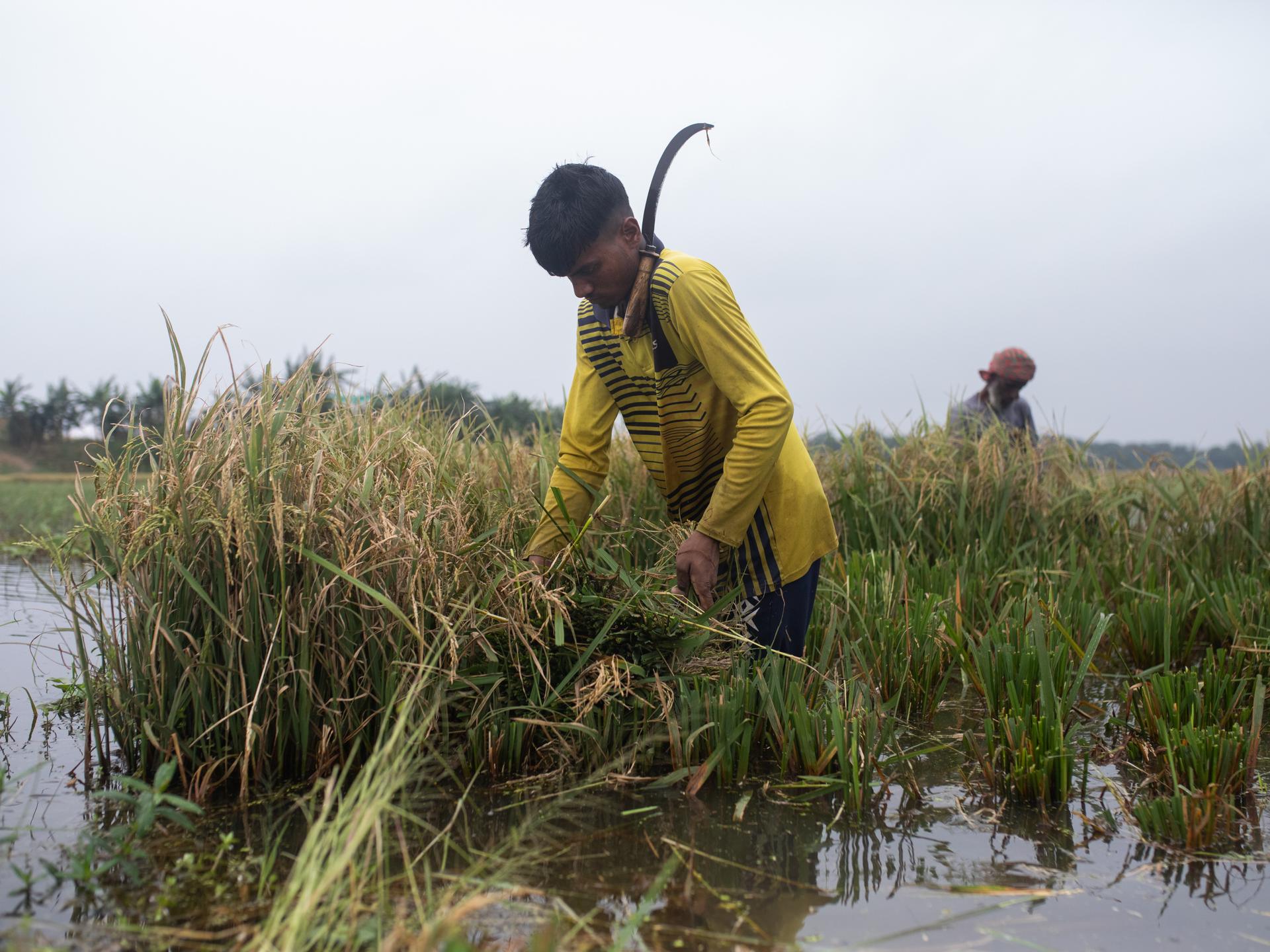
In late April, Bangladesh’s Haor Basin was hit by out-of-season flash floods that coincided with fuel shortages caused by conflict in the Strait of Hormuz. Journalist Anik Rahman leads this week’s edition by showing how those compounding crises destroyed the basin’s rice harvest, trapping farmers in a cycle of debt.
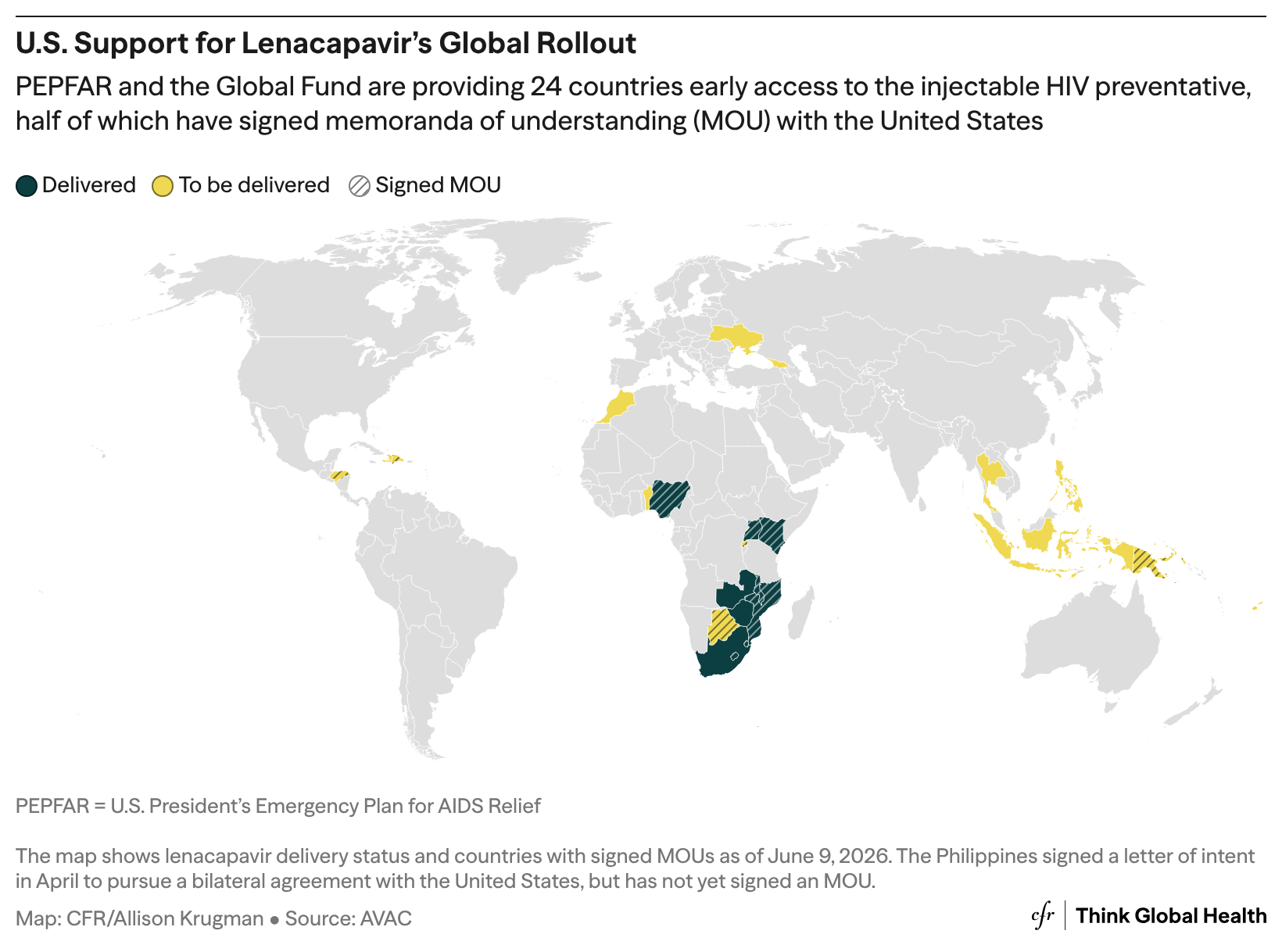
In the United States, the Trump administration has proposed deep cuts to the National Institutes of Health, targeting grants, research centers, and intramural research. Without that funding, however, breakthrough drugs like lenacapavir—a twice-yearly injection that prevents nearly all HIV infections in some people—may not exist, warns Rahil Modi, Universities Allied for Essential Medicines’ access team lead.
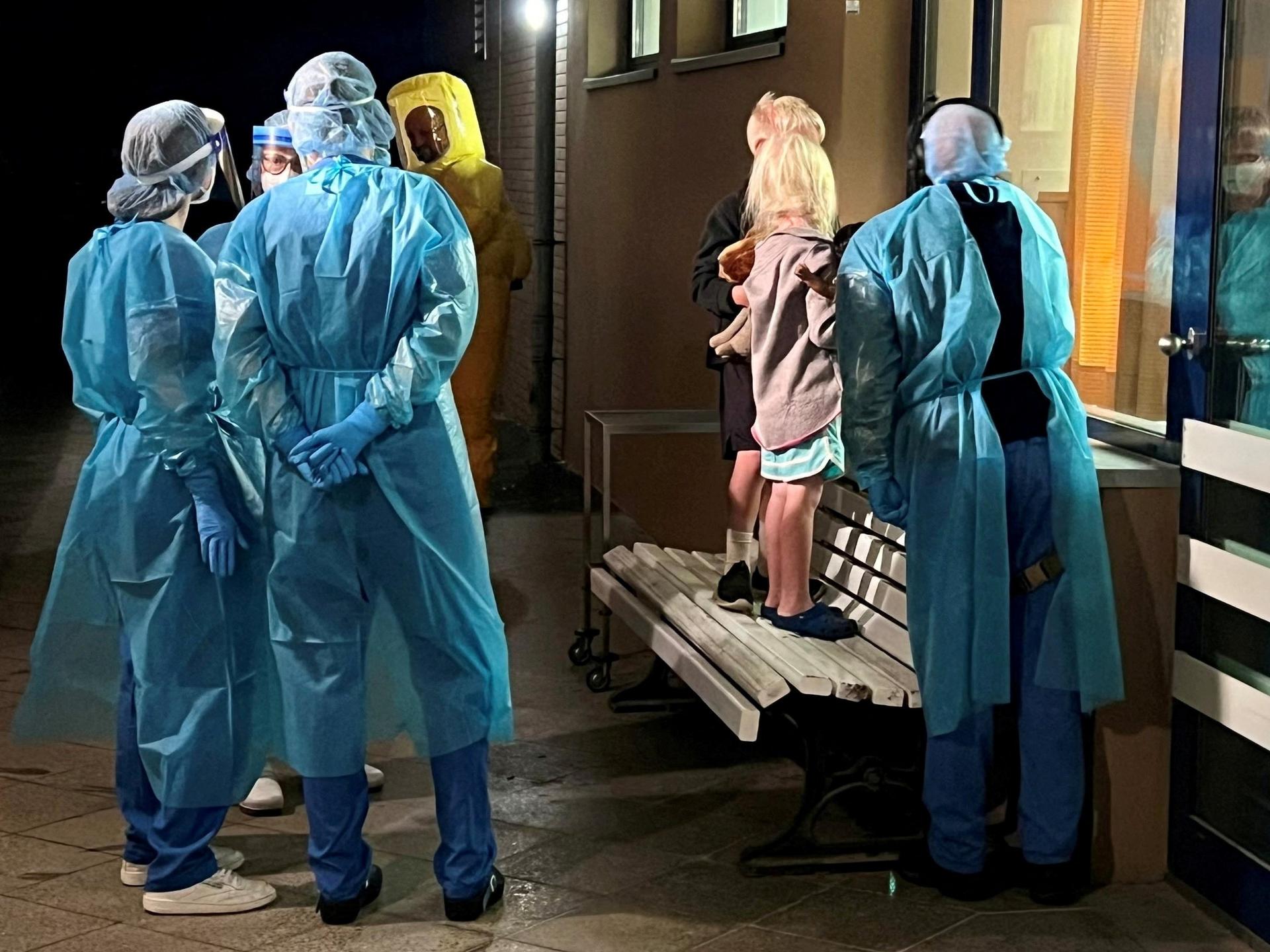
To wrap up, the Ebola emergency in the Democratic Republic of Congo and Uganda demonstrates the need for a U.S. health diplomatic workforce dedicated to leading outbreak responses. Matthew D. Brown, Seton Hall University’s Sergio Vieira de Mello visiting chair in post-conflict diplomacy, explains how to establish this service and how it could improve coordination among agencies.
Until next week!—Nsikan Akpan, Managing Editor, and Caroline Kantis, Associate Editor