What American Military Force Can and Cannot Do; The Fault Lines in China’s Power; How China Misperceives Itself
Foreign Affairs This Week

June 12, 2026 | View in Browser | Sponsored by International Monetary Fund


This week’s highlights:

- The Day After in Cuba by Ricardo Zuniga

- The Fault Lines in China’s Power by Ely Ratner and Nick Danby

- How China Misperceives Itself by Francesca Ghiretti

- Don’t Give Up on Global Order by Philip H. Gordon

- Podcast: Michael Bustamante and Ricardo Zuniga discuss the future of Cuba

- Iran and the Hidden Cost of Wartime Access by Rachel Metz

- The Real Problem With Global Trade by Brad Setser and Shahin Vallée


A Foreign Affairs subscription is less than $3.50/month.

Subscribe Now →

A Foreign Affairs subscription is less than $3.50/month.

Subscribe Now →
 
Marching with a Cuban flag in Havana, May 2026

The Day After in Cuba

What American Military Force Can and Cannot Do

By Ricardo Zuniga

 
Chinese soldiers standing guard outside the Great Hall of the People, Beijing, May 2026

The Fault Lines in China’s Power

America Must Build—and Use—Leverage Against Beijing

By Ely Ratner and Nick Danby

 
Sunset in front of the Forbidden City, Beijing, May 2026

How China Misperceives Itself

Beijing’s Blind Spots Hinder Real Reform

By Francesca Ghiretti

 
Marines holding the U.S. flag, New York City, May 2026 

Don’t Give Up on Global Order

America Depends on It—and Can Restore It

By Philip H. Gordon

Advertisement: International Monetary Fund


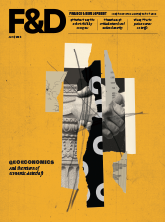
Geoeconomics and the Return of Economic Statecraft


Economics and geopolitics are increasingly intertwined. As tensions rise and cooperation frays, governments are turning to trade policy, investment screening, sanctions, and industrial strategy to advance national interests. What does a more fragmented world mean for emerging markets and global institutions? IMF’s Finance & Development’s June 2026 issue explores these questions.

Read the Issue

Cover image of
Logo of Semafor Gulf

Geoeconomics and the Return of Economic Statecraft

Economics and geopolitics are increasingly intertwined. As tensions rise and cooperation frays, governments are turning to trade policy, investment screening, sanctions, and industrial strategy to advance national interests. What does a more fragmented world mean for emerging markets and global institutions? IMF’s Finance & Development’s June 2026 issue explores these questions.


Read the Issue