Disney-OpenAI deal, synthetic performers, Palantir vs. Percepta.
 ͏  ͏  ͏  ͏  ͏  ͏  ͏  ͏  ͏  ͏  ͏  ͏  ͏  ͏  ͏  ͏  ͏  ͏  ͏  ͏  ͏  ͏  ͏  ͏  ͏  ͏  ͏  ͏  ͏  ͏  ͏  ͏  ͏  ͏  ͏  ͏  ͏  ͏  ͏  ͏  ͏  ͏  ͏  ͏  ͏  ͏  ͏  ͏  ͏  ͏  ͏  ͏  ͏  ͏  ͏  ͏  ͏  ͏  ͏  ͏  ͏  ͏  ͏  ͏  ͏  ͏  ͏  ͏  ͏  ͏  ͏  ͏  ͏  ͏  ͏  ͏  ͏  ͏  ͏  ͏  ͏  ͏  ͏  ͏  ͏  ͏  ͏  ͏  ͏  ͏  ͏  ͏  ͏  ͏  ͏  ͏  ͏  ͏  ͏  ͏  ͏  ͏  ͏  ͏  ͏  ͏  ͏  ͏  ͏  ͏  ͏  ͏  ͏  ͏  ͏  ͏  ͏  ͏  ͏  ͏  ͏  ͏  ͏  ͏  ͏  ͏  ͏  ͏  ͏  ͏  ͏  ͏  ͏  ͏  ͏  ͏  ͏  ͏ ­ ­ ­ ­ ­ ­ ­ ­ ­ ­ ­ ­ ­ ­ ­ ­ ­ ­ ­ ­ ­ ­ ­ ­ ­ ­ ­ ­ ­ ­ ­ ­ ­ ­ ­ ­ ­ ­ ­ ­ ­ ­ ­ ­ ­ ­ ­ ­ ­ ­ ­ ­ ­ ­ ­ ­ ­ ­ ­ ­ ­ ­ ­ ­ ­ ­ ­ ­ ­ ­ ­ ­ ­ ­ ­ ­ ­ ­ ­ ­ ­ ­ ­ ­ ­ ­ ­ ­ ­ ­ ­ ­ ­ ­ ­ ­ ­ ­ ­ ­ ­ ­ ­ ­ ­ ­ ­ ­ ­ ­ ­ ­ ­ ­ ­ ­ ­ ­ ­ ­ ­ ­ ­ ­ ­ ­ ­ ­ ­ ­ ­ ­ ­ ­ ­ ­ ­ ­  
Friday, December 12, 2025


Good morning. How much does an AI influencer really earn?

No, I’m not talking about the AI-whispering consultants that command top dollars from corporate leaders. 

I’m talking about fake social media influencers. You know the ones—they look (sorta) like humans, sound (sorta) like humans, laugh with their friends (sorta) like humans…but are complete fiction, despite the social media posts that suggest otherwise. 

Surely a fake person can’t make real money, right? Which brings us to pop quiz time: How much does the average AI influencer make per year? (Some helpful context: The average salary of a full-time worker in the U.S. is about $63,000.)

Take your best guess, then find the answer in “Endstop triggered.” 

Have a wonderful weekend. —Andrew Nusca

Want to send thoughts or suggestions to Fortune Tech? Drop a line here.

Advertisement
Disney and OpenAI do a deal

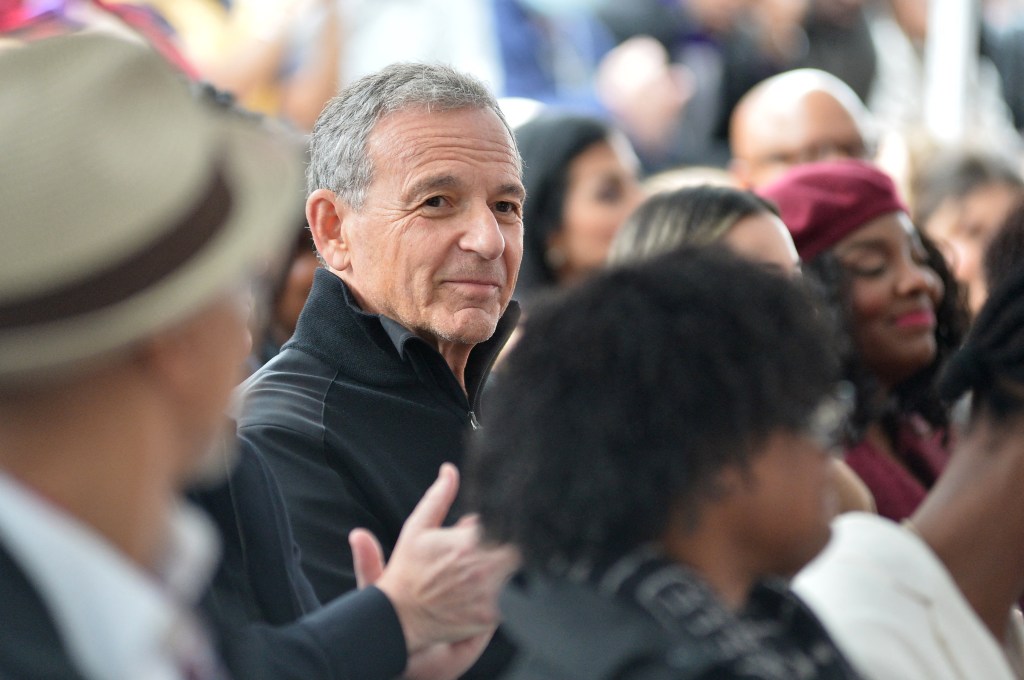
Disney CEO Bob Iger in Los Angeles, California on November 20, 2025.(Photo: Unique Nicole/AFP/Getty Images)Disney CEO Bob Iger in Los Angeles, California on November 20, 2025.Unique Nicole/AFP/Getty Images

The House of Mouse is officially coming to an AI app near you.

Disney said Thursday that it would invest $1 billion in OpenAI and allow its intellectual property to be used in the newer company’s short-form video app Sora.

The three-year deal—which comes with a period of exclusivity—will officially bring more than 200 Disney characters to Sora, allowing users to create realistic videos from text prompts or existing media.

Mickey and Minnie Mouse? Of course. Simba and Mufasa? Naturally. Captain America and Iron Man? You bet. Luke Skywalker and Darth Vader? I find your lack of faith disturbing

Disney CEO Bob Iger was bullish on his latest bet, which excludes the use of entertainers’ names, likenesses, and character voices, but includes the opportunity for Disney to use some Sora content in its Disney+ service.

“We’ve always viewed technological advances as opportunity, not threat,” Iger said. He didn’t mention the cease-and-desist letter Disney sent to Google earlier that day, accusing it of illegally using its intellectual property to train AI models. —AN

Ads must disclose ‘synthetic performer use’ in New York

The governor of New York State has signed an AI bill that will force the disclosure of so-called AI-generated synthetic performers.

The bill requires anyone creating an advertisement to make such a disclosure. A separate piece of legislation requires consent from heirs if a person wants to use the name, image, or likeness of someone who has died for commercial purposes.

Gov. Kathy Hochul said the two laws were “common sense.”

The broad debate over AI actors à la Xocoia’s Tilly Norwood continues as Hollywood labor unions fight for control over their members’ NILs, as they’re known, in generative AI models. 

Duncan Crabtree-Ireland, the national executive director of the entertainers’ guild SAG-AFTRA, called it “smart, forward-looking legislation” with national impact.

The laws “do not stand in the way of innovation,” he said. “They ensure that innovation grows on a foundation of accessibility, accountability, consent, and truth.”

By the state’s own tally, New York accounts for about 1 in 6 film jobs in the U.S., second only to the home of Hollywood: California. —AN

Advertisement
Palantir accuses Percepta of poaching workers and customers

The secretive data intelligence firm Palantir said in a new court filing that the artificial intelligence startup Percepta tried to create a “copycat” company that included stealing employees and customers alike.

In the filing, Palantir alleges that Percepta co-founders Hirsh Jain and Radha Jain (no relation) violated nonsolicitation agreements and a third employee, Joanna Cohen, stole confidential documents from Palantir before leaving her job there. 

Percepta launched two months ago. All three of the aforementioned once worked at Palantir. 

The trio “brazenly disregarded their contractual and legal commitments to Palantir and instead chose a path of deception and unjust competition,” Palantir said in the filing.

In a statement provided to the Wall Street Journal, Percepta said it never used any confidential Palantir information and called its accusations “baseless.” 

“This is the latest in Palantir’s effort to use fear tactics to bully ex-employees out of innovating with applied AI,” it reads. —AN

More tech

Trump orders state AI regulation ban, directing the attorney general to sue states and overturn laws that diminish U.S. “global A.I. dominance.”

OpenAI launched GPT-5.2, its “best model yet.”

Stanford’s AI hacker bot, named Artemis, performed better than 9 in 10 human pros.

Mollie will acquire GoCardless for €1.5B, or about $1.76 billion. The Dutch payments group picks up a London-based fintech that was last valued at $2.1 billion.

Fortnite will return to the Google Play Store in the U.S. following a court injunction.

Terraform Labs’ Do Kwon sentenced to 15 years in prison. He pleaded guilty to conspiracy and wire fraud charges in August.

Rivian developed a custom AI chip and AI model in pursuit of full autonomy.

“AGI will not happen” because of resource limitations, one researcher argues.

Endstop triggered